
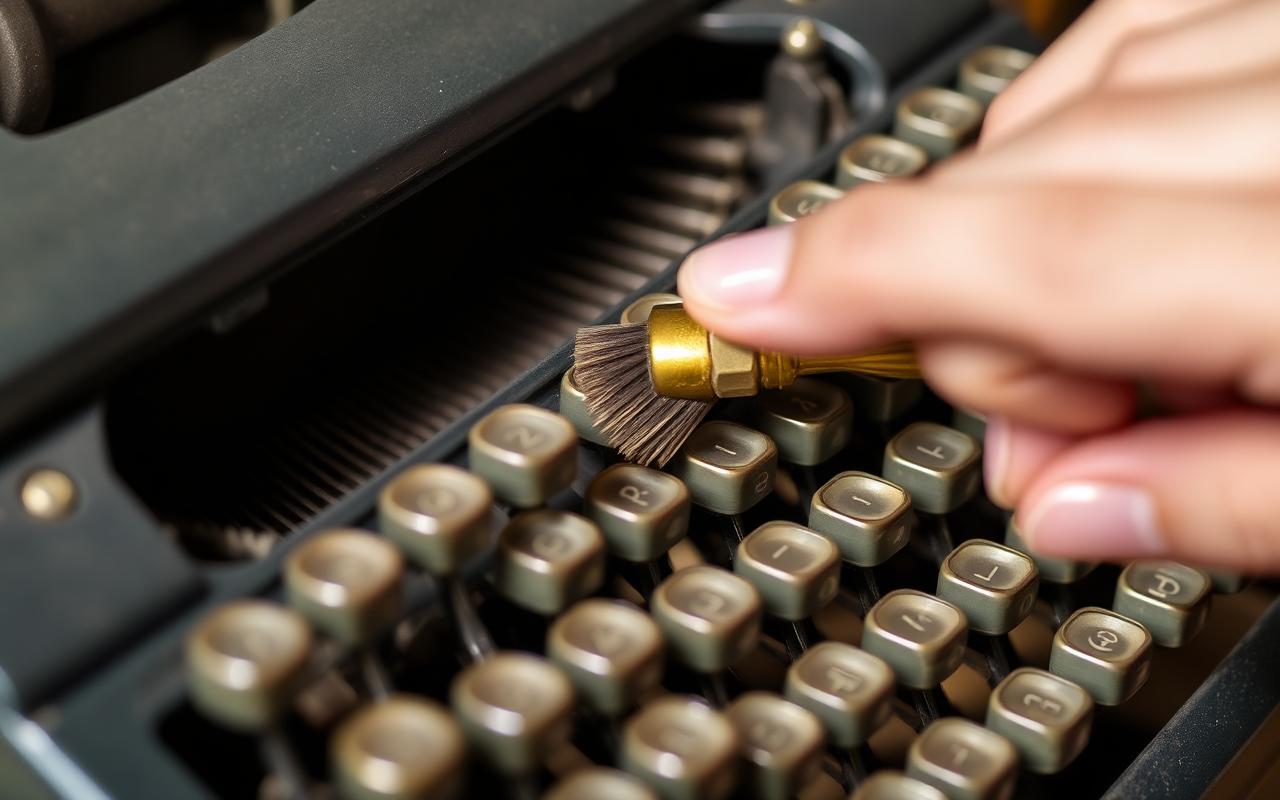
 Restoration TutorialsThe First Cleaning: Solvents, Material Checks, and a Careful SequenceA careful cleaning starts with identifying the machine's materials, checking product guidance, and controlling solvent exposure before any liquid reaches the mechanism.
Special collection
The Beginner's Restoration Playbook
Seven bench sessions that take a stuck flea-market find to a reliable daily writer — without breaking a single glass key.
7 PIECES · READ IN ORDER
- Restoration TutorialsThe First Cleaning: Solvents, Material Checks, and a Careful SequenceA careful cleaning starts with identifying the machine's materials, checking product guidance, and controlling solvent exposure before any liquid reaches the mechanism.
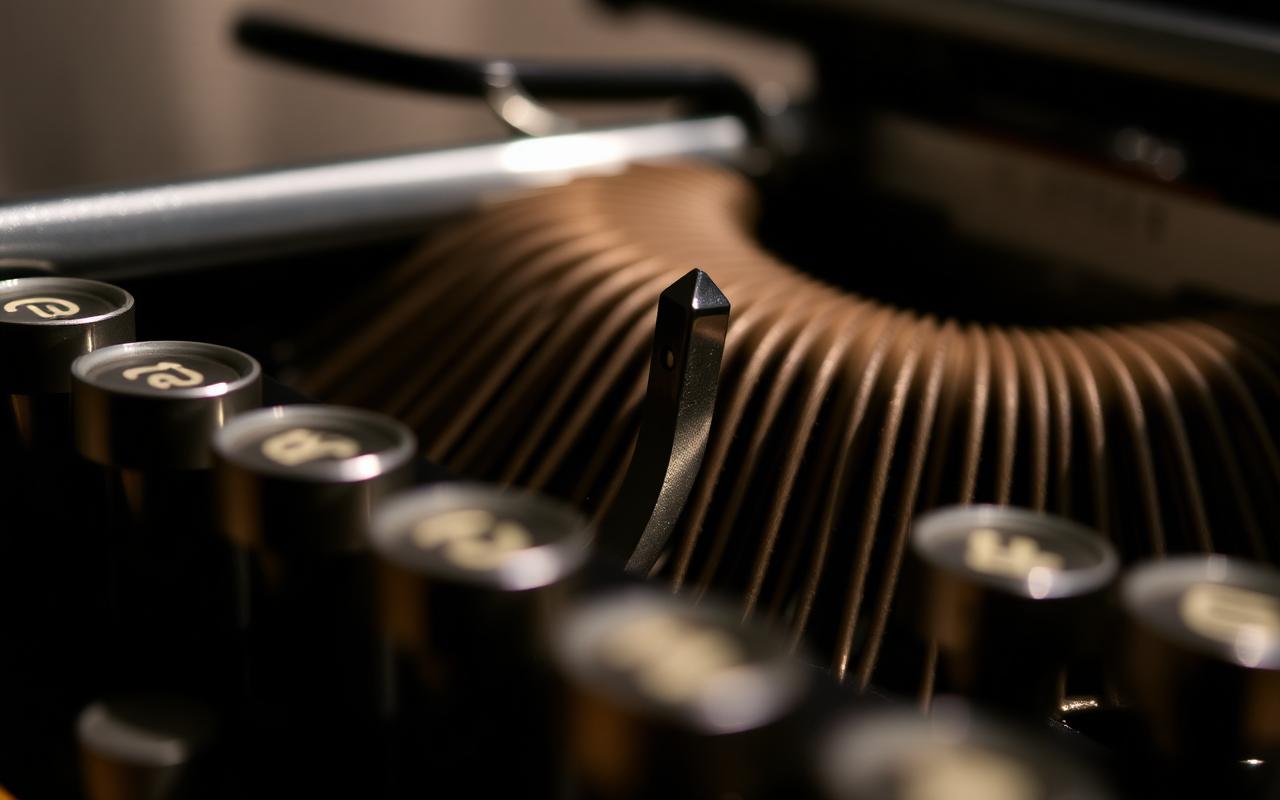 Restoration TutorialsUnsticking Frozen Typebars Without Bending AnythingThe typebars are almost always fine. It is the dried grease in the segment slots that has become concrete. Here is the calm way to dissolve it without turning a straight bar into a bent one.
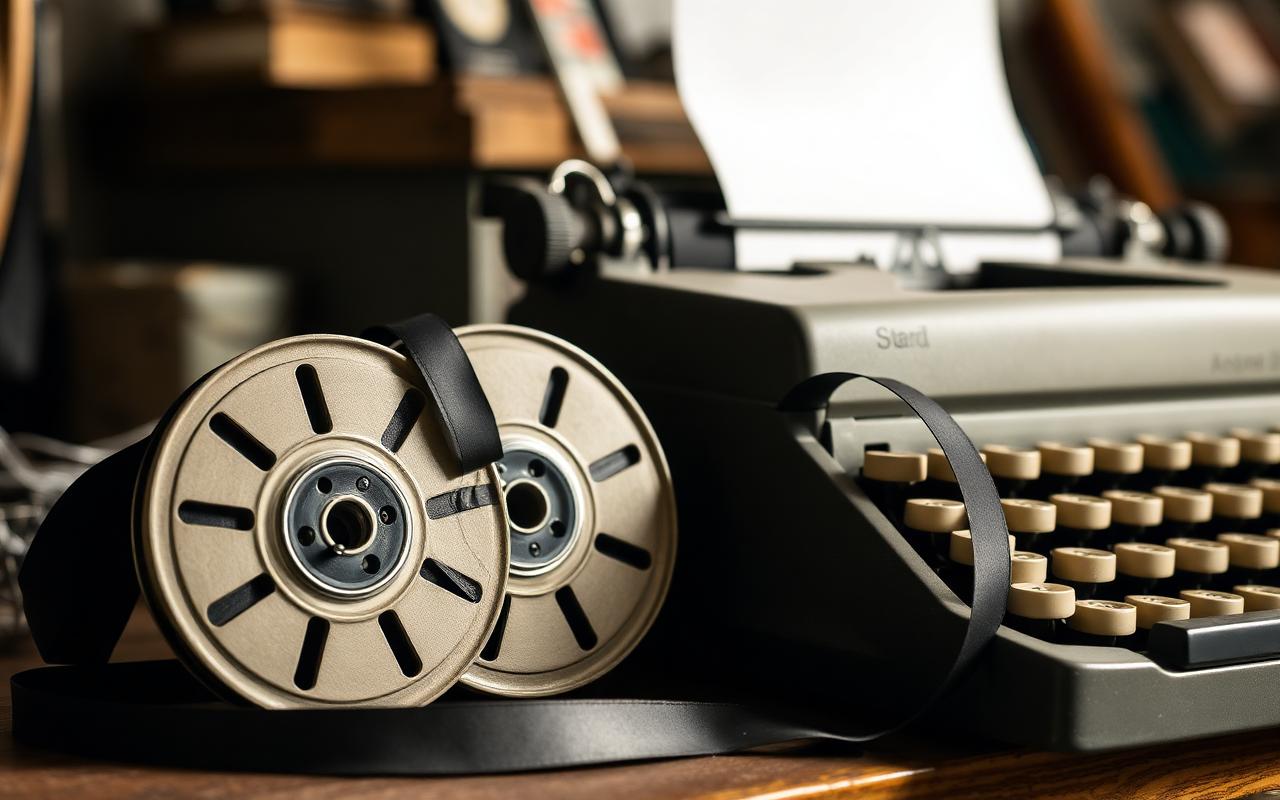 Restoration TutorialsReplacing a Ribbon on Almost Any MachineUniversal spools, fabric versus nylon, DIN standards versus proprietary reels. A ten-minute job that looks intimidating the first time and never intimidating again.
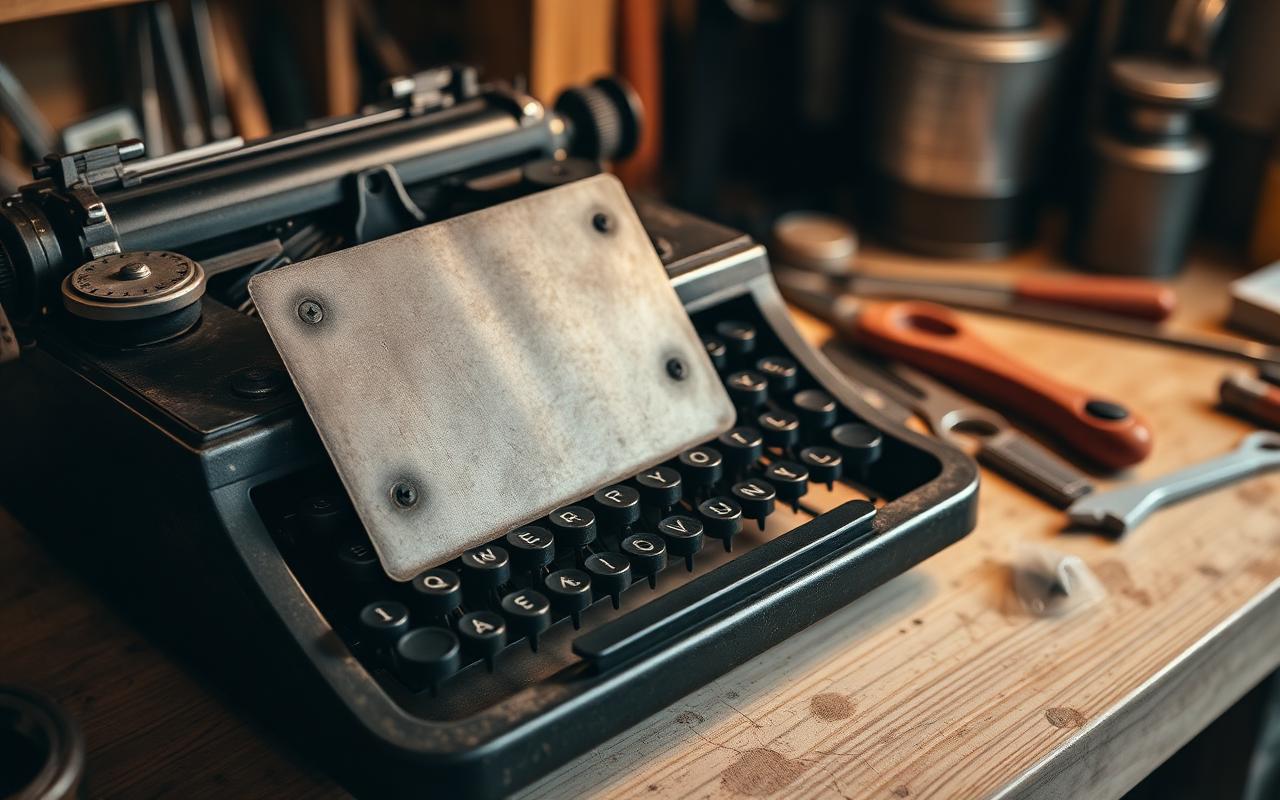 Restoration TutorialsPlaten Hardness: When to Live With It, When to RecoverA concrete platen prints crisply but shortens the life of every typebar. A soft platen prints kindly but smears. Here is how to measure what you actually have and decide whether recovery is worth two hundred dollars.
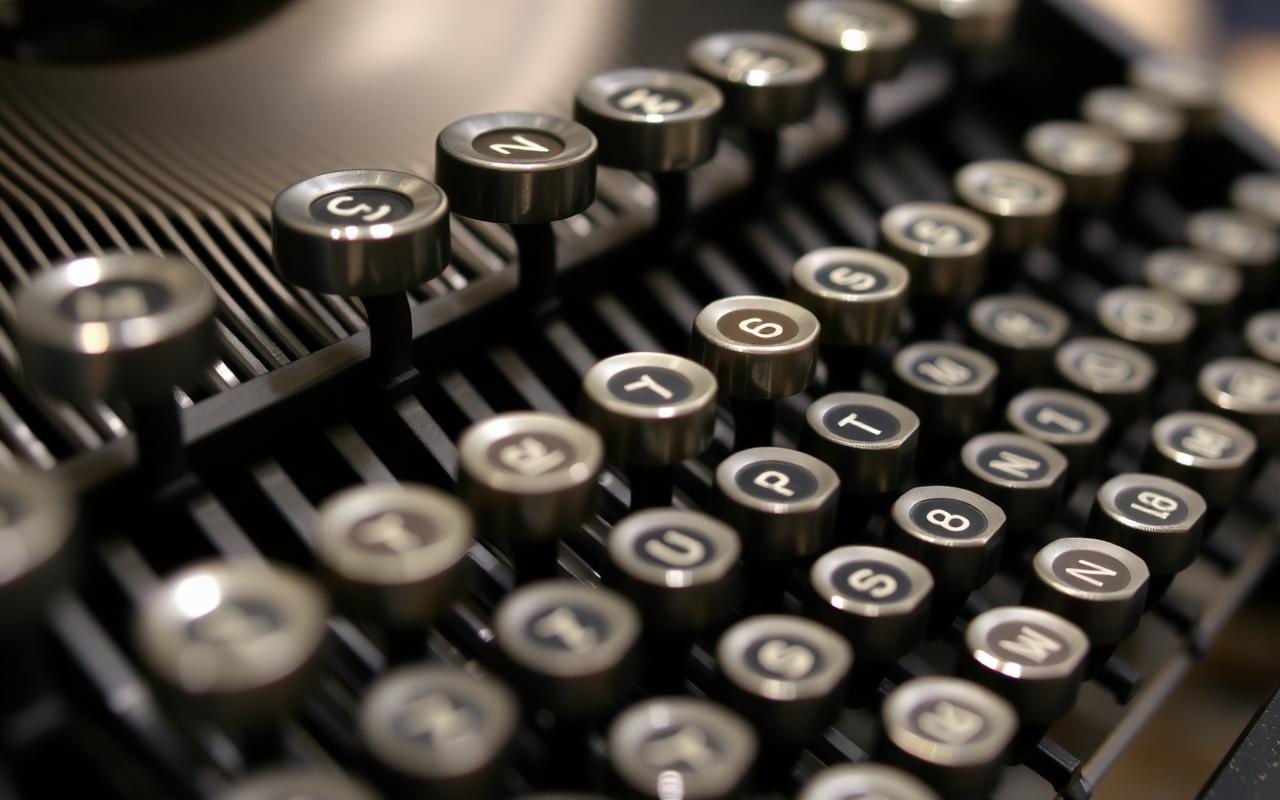 Restoration TutorialsAdjusting Typebar Alignment for a Clean BaselineOne letter prints higher than its neighbours. Another leans left. The bars are not broken; they need to be nudged, and the nudge is smaller than you think.
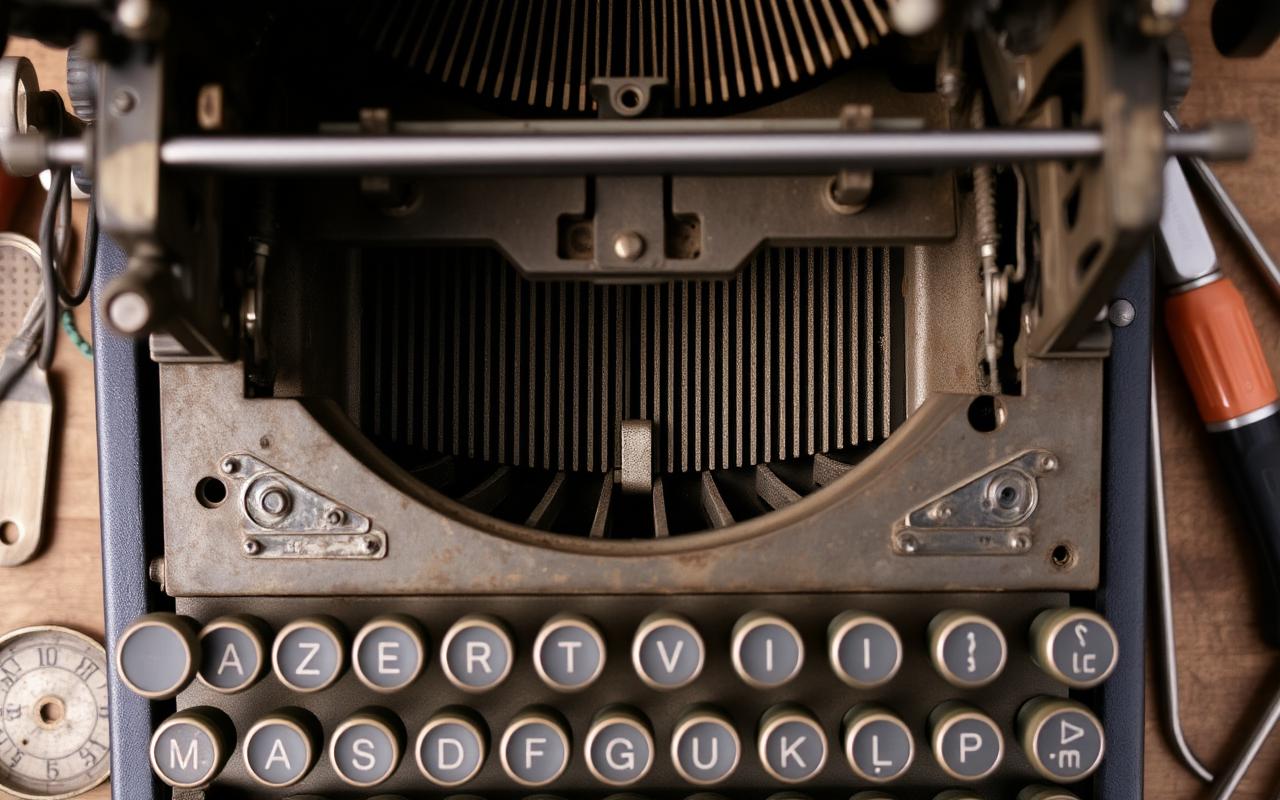 Restoration TutorialsClearing a Jammed Carriage: A Diagnostic LadderA carriage that will not move is not one problem; it is any of six. Diagnose in the right order and the fix is usually free.
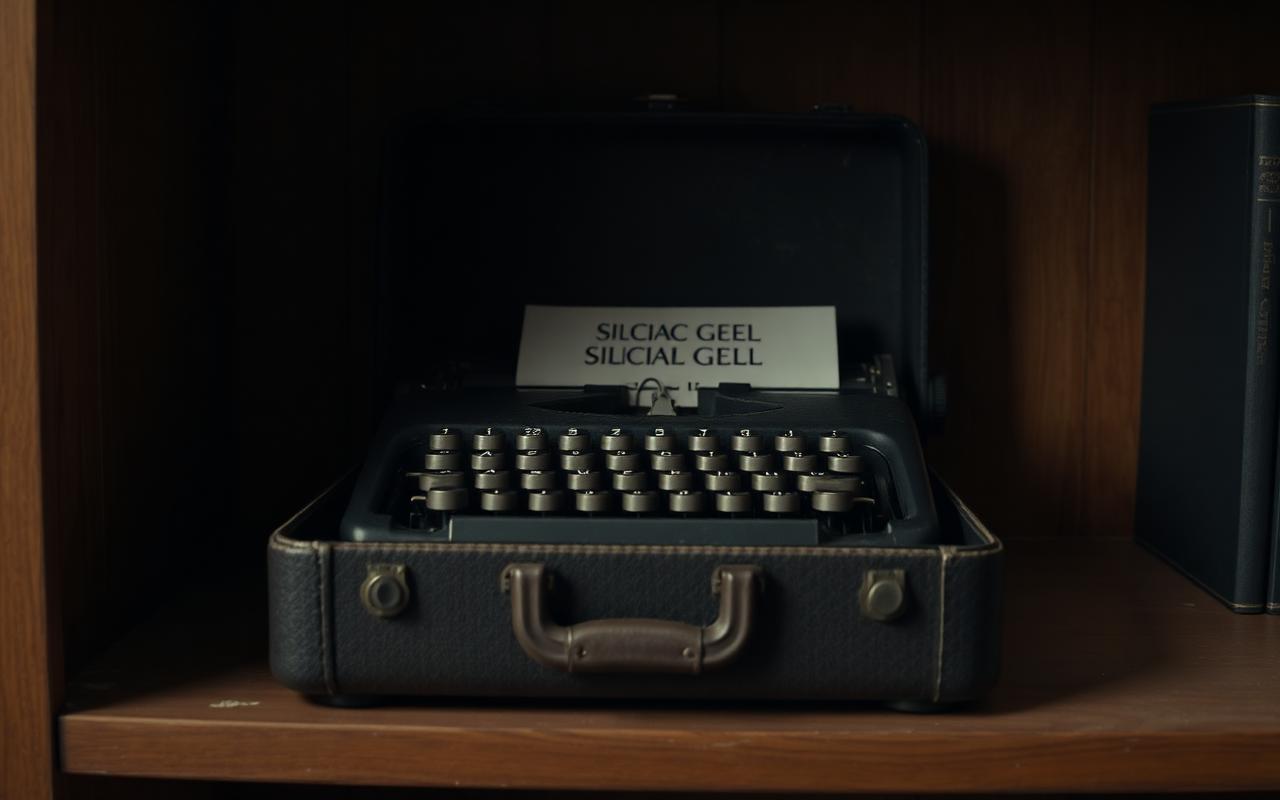 Restoration TutorialsStoring a Typewriter for Ten Years Without DamageThe enemies are humidity, oil migration, spring compression, and forgotten paper. Solve each explicitly and the machine will type as well after a decade in storage as it does today.