Storing a Typewriter for Ten Years Without Damage
The enemies are humidity, oil migration, spring compression, and forgotten paper. Solve each explicitly and the machine will type as well after a decade in storage as it does today.
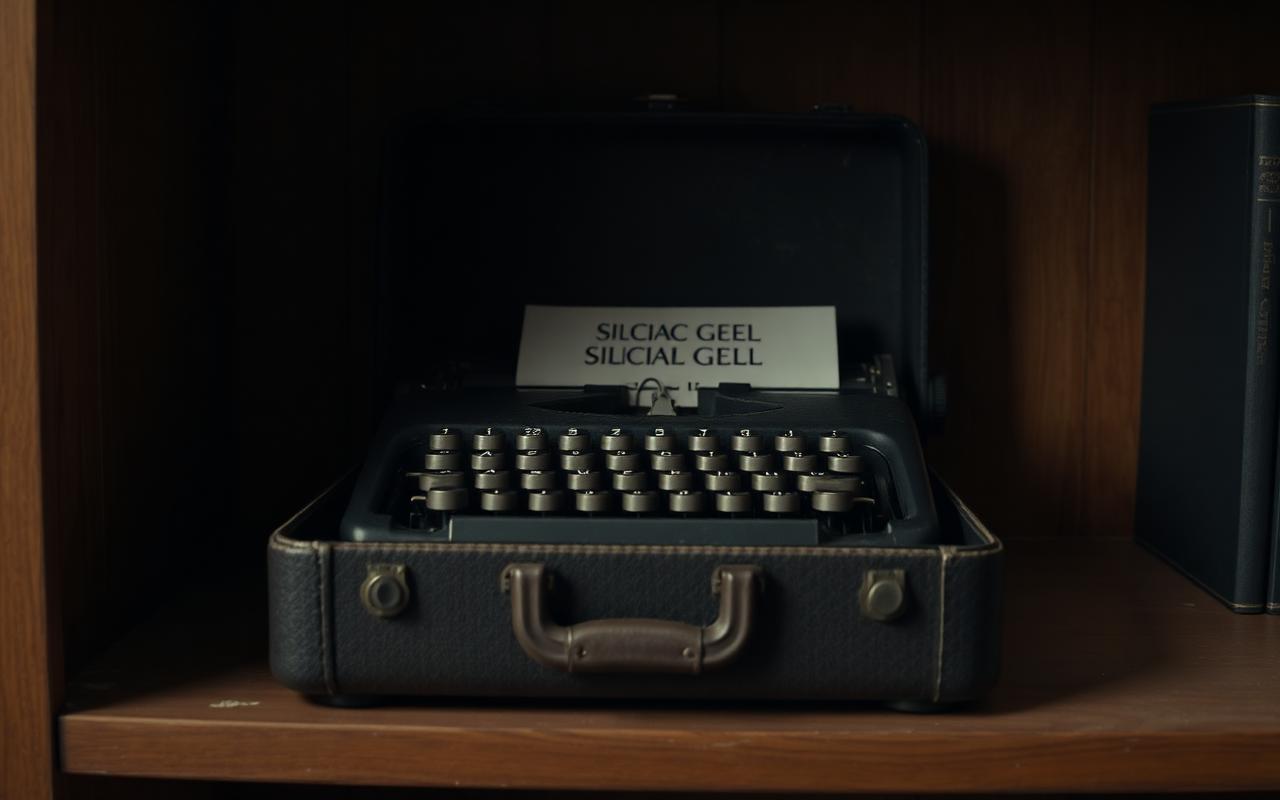
A typewriter can outlive its owner and every subsequent owner if it is stored thoughtfully. It can also emerge from a single decade in the wrong basement so degraded that the cheapest fix is a donor machine. The difference is a short list of small preparations, each of which takes fewer than twenty minutes.
The four enemies
Humidity. Rusts the segment, corrodes the type slugs, stains the paint plate, and softens the paper feed rollers. Constant humidity is manageable; swings between wet and dry are worse than any single wet reading, because the metal expands and contracts and pulls apart the tiny oil films you depend on.
Oil migration. Fresh lubricant applied to the wrong point migrates over years into the segment, where it polymerises into varnish. A machine oiled generously the day before storage will be stiffer coming out than one stored dry.
Spring compression. Escapement springs and shift springs held under maximum tension for years lose recovery force. Mainsprings held tightly wound for a decade can take a set.
Forgotten paper. A sheet left in the platen imprints and stains the rubber, and the ribbon left engaged transfers ink to both the paper and the type slug faces. This is the most common preventable damage.
Preparing the machine
Set aside forty-five minutes for the process on each machine. Rushing it produces the classic ten-year-storage look.
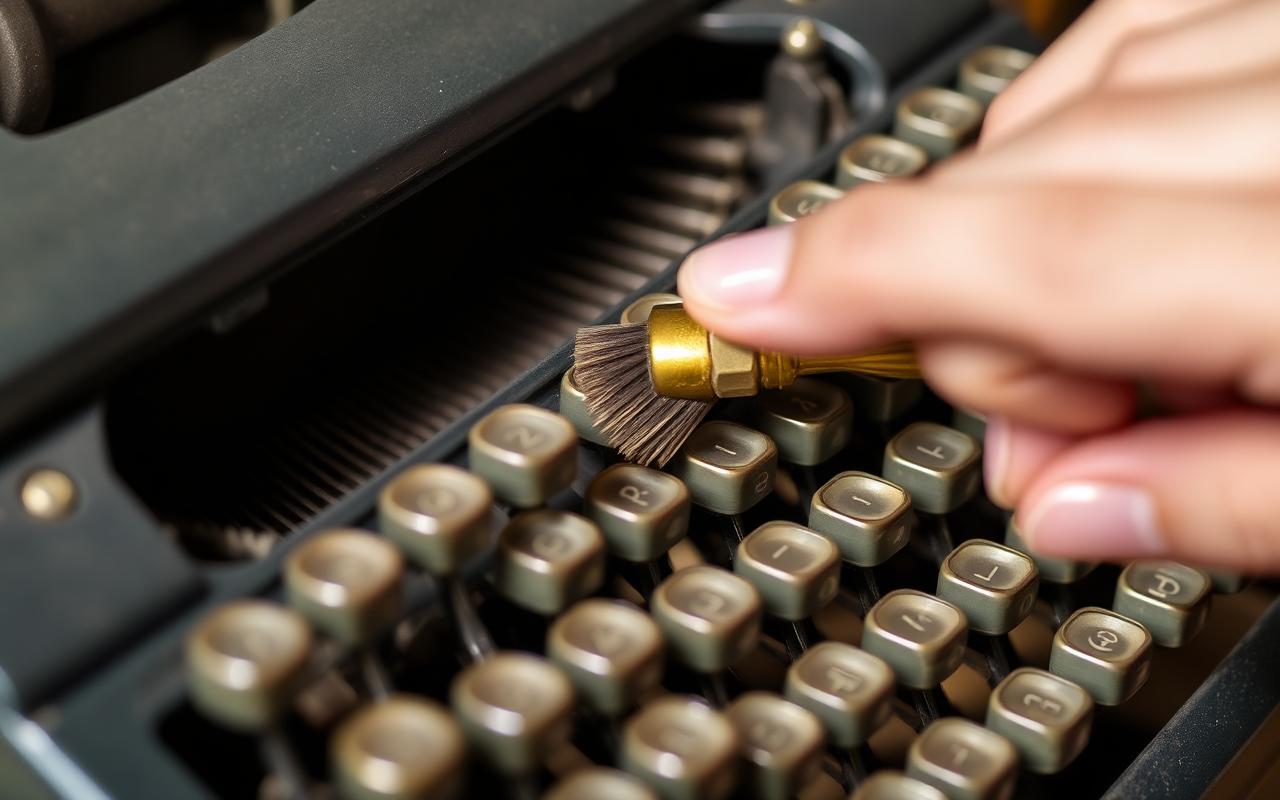
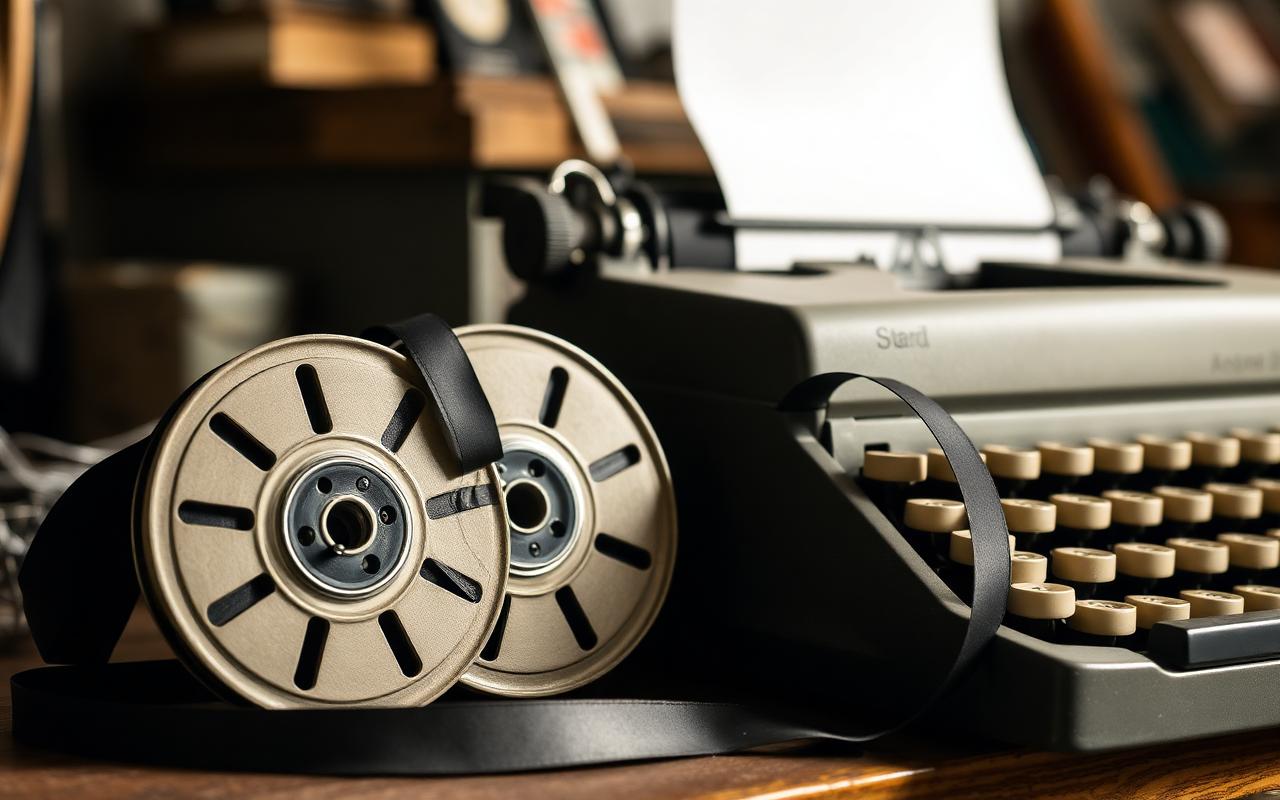
1. Type-test the machine for five minutes on a fresh sheet, at your normal writing pace. This tells you what condition the machine is entering storage in, so you know what to expect when it comes out. Photograph the type sample and store the photo with the machine's inventory card. 2. Remove the ribbon and both spools. Wrap them in tissue paper and store separately in a small envelope inside the case pocket. Do not leave them installed. 3. Wipe the segment and type slug faces with mineral spirits on an artist's brush, followed by a folded paper towel blot. Let the machine sit open for one hour to let the solvent evaporate. 4. Wipe the platen with a barely damp microfibre cloth, then a dry cloth. Do not apply glycerine, protectant, or "rubber restorer" — these leave films that harden. 5. Oil the rails and mainspring hub with a single drop each, spread thin with a wire tip. Do not oil the segment. Do not oil the escapement pawl. 6. Verify no paper remains in the platen and that the paper release is closed. Wind the platen through one full turn to confirm nothing is caught underneath. 7. Return all levers to neutral. Shift-lock off. Ribbon vibrator off. Margin release off. Anything under tension for storage will tell you a story you did not want when the machine comes out. 8. For machines with weak mainsprings and storage beyond three years, wind down the mainspring two or three turns. Not fully; some tension is desirable for lubricant distribution.
The right container
For portables, the original case is almost always the correct container. It was designed for the machine's exact geometry, keeps the platen off any hard surface, and provides a small closed volume that a silica gel packet can control.
Silica gel is essential. A single 5 g packet per case volume, refreshed annually or when the indicator turns pink, holds humidity within the range that keeps steel and rubber stable. Rechargeable packets — the kind that can be dried in a low oven — are more economical over a decade than disposable packets.
For desktop machines, a fitted dust cover of unbleached cotton is preferred over plastic. Cotton breathes; plastic traps moisture on any cold day. If the storage environment is genuinely damp, a rigid outer box with a silica pack is a better answer than a bag.
The right environment
Aim for 18 to 22 degrees Celsius (65 to 72 degrees Fahrenheit) and 40 to 50 percent relative humidity, stable within a range of about ten percent. This is comfortable indoor living conditions, not archival conditions. Attics, garages, and unheated outbuildings routinely swing well outside this range and are the source of most storage failures.
Shelves higher up in a room are better than shelves near the floor, because cold and moisture pool low. Never store a typewriter directly on a concrete floor; concrete wicks moisture even when it appears dry. A single wooden pallet under a floor-standing machine solves the problem.
The check-in routine
Once a year, on the same weekend (mine is the first weekend of October), open every case. Refresh silica packets. Look at every machine for surface rust, ribbon-ink migration, or unexpected changes. Cycle the carriage twice by hand to keep the lubrication distributed. Roll the platen through a full turn.
Total time for a collection of fifteen machines: about two hours. Total cost of skipping this ritual for ten years: many times that in restoration bills.
A well-stored typewriter is essentially in suspension. It emerges, ribbon reinstalled, and types on the first sheet as though the intervening decade had been an afternoon.
Original case for portables; supplement with silica gel inside the case. Standard-sized machines do well under a fitted dust cover on the shelf they normally live on.
For very long storage (more than three years) on machines with weak mainsprings, yes, wind down two or three turns. For most storage, no.
Yes. Remove and store separately; ribbons dry out and stain the platen and paper table over years.
This article is original writing for The Ribbon & Platen and may not be reproduced without permission. Sources consulted:
- Conversations with conservators at the Milwaukee Public Museum
- Author's ten-year storage results on 22 machines