Spotting Fake Glass Keys and Restored-Not-Original Typewriters
A repainted machine with reproduction glass keys is not, in the collector's sense, the same object as an original. Neither seller nor market always makes the distinction. Here is how to make it yourself.
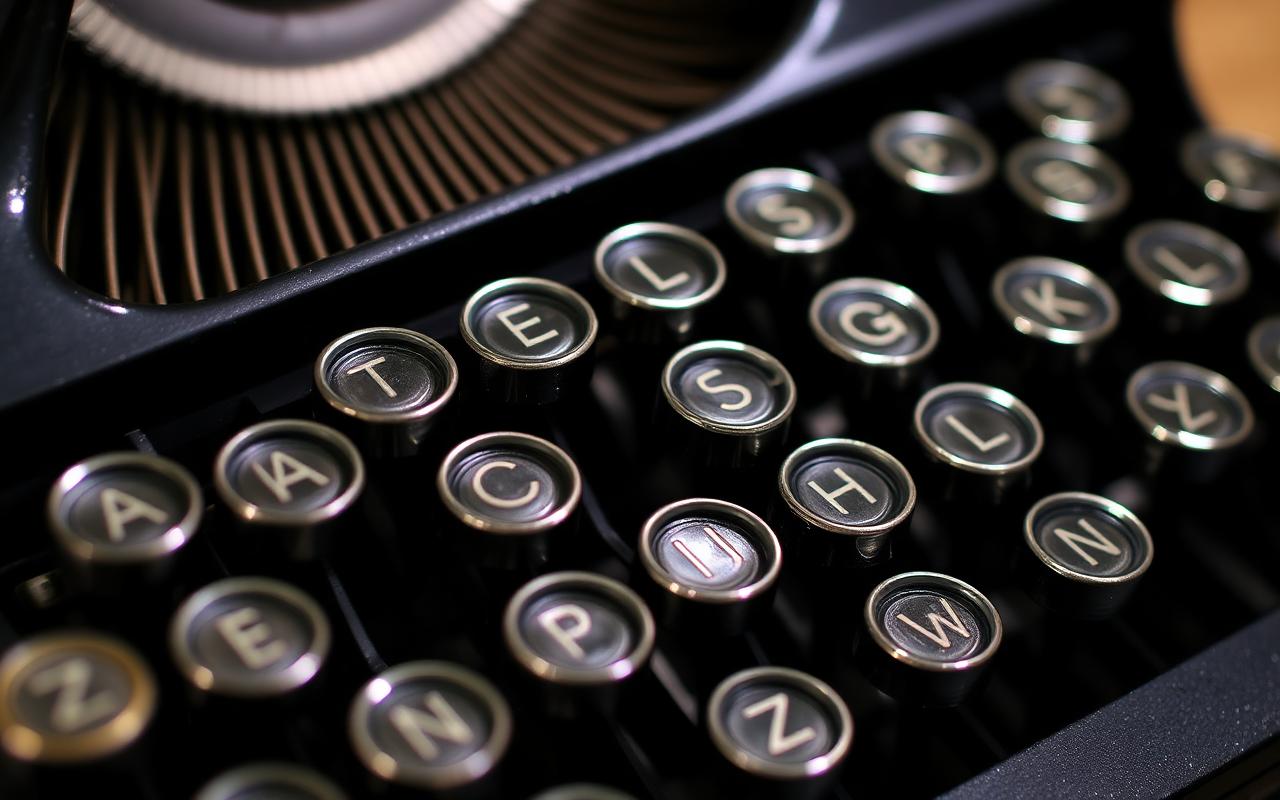
Every hobby with a collector market and a restoration market eventually has to sort out its language around originality. Typewriters are past due for the conversation. A machine advertised as "restored" may have new paint, new decals, reproduction keys, replaced consumables, and a modern platen — all excellent work, all changing what the machine actually is, and none of it wrong unless the price and description imply otherwise.
The buyer's task is not to police the market. It is to know, before paying, what they are paying for.
What "original" means
At the strict end of the spectrum, original means: original paint, original decals, original keys, original type slugs, original platen, original ribbon spools, original case, and — ideally — original consumables in the case pocket. A truly original machine, at this level, is uncommon and commands a real premium.
At the loose end, original means: the frame and mechanism are the ones the machine was built with, and the rest is a mixture of original and replaced components in various proportions. This is the practical majority of "original" machines in the market.
Every part of the machine can be replaced independently, and each replacement moves the machine along the spectrum. A useful mental model is a percentage: this machine is perhaps 90 percent original, or 60 percent, or 30 percent. Sellers rarely quantify. Buyers should.
Spotting reproduction glass keys
Glass keys are the single most-frequently-replaced cosmetic component and the easiest place for an inexperienced seller to inadvertently misrepresent a machine.
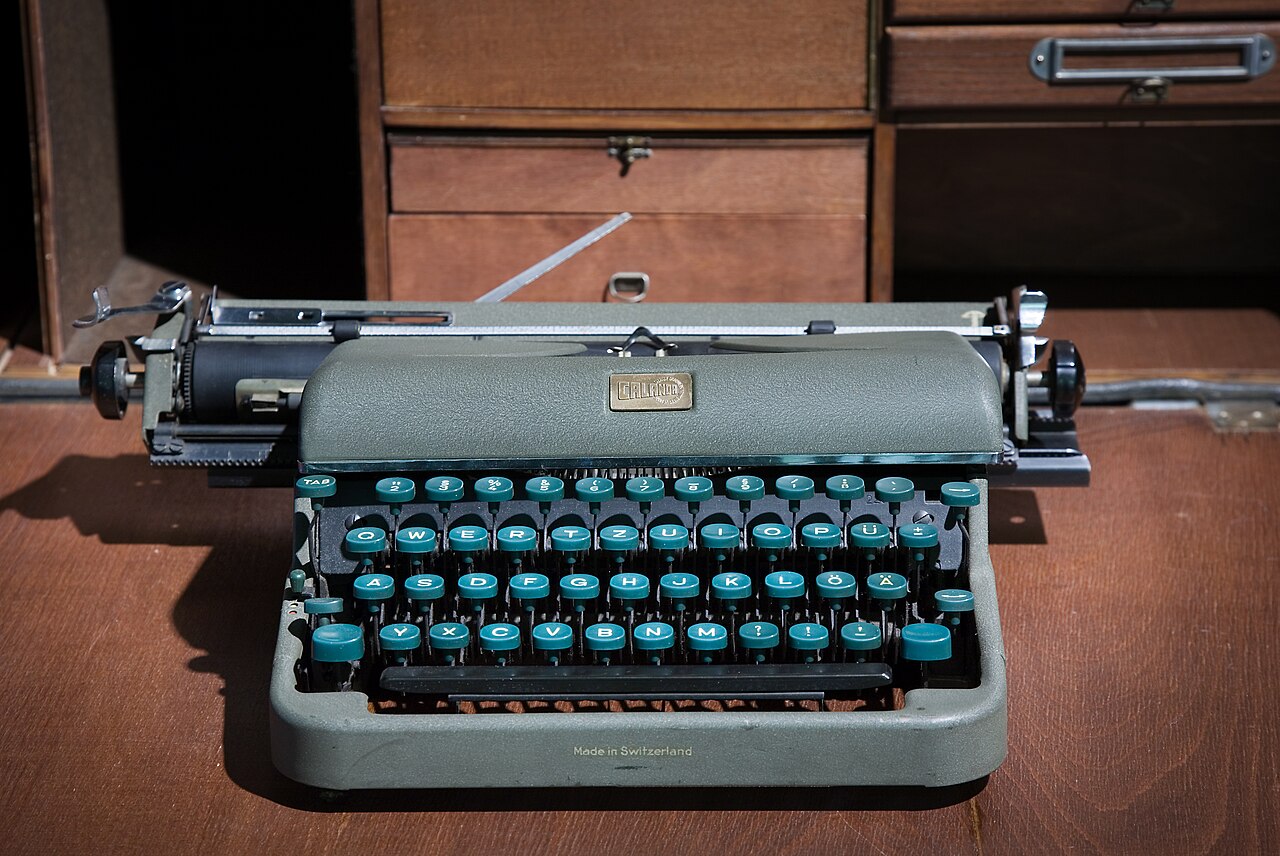
Original glass keys, on most pre-1950 American and European machines, have specific characteristics.
- Paper labels under the glass. The letter or number was printed on paper and placed under a clear glass disc, held in place by a metal ring. The paper often shows subtle ageing: yellowing, slight browning at the edges, occasional water spots.
- Metal rings with consistent wear. The rings show corresponding wear to the surrounding paint. A shiny new metal ring on a faded machine is a replacement.
- Consistent letter typography. Original manufacturers used a specific typeface for their key labels. Reproduction keys sometimes use a subtly different font that is invisible in a photograph but obvious in person.
- Slight surface texture. Original glass discs from the early twentieth century were not perfectly flat; they show faint concentric marks from the manufacturing process. Modern reproductions are usually perfectly flat.
Reproduction keys are useful, well-made, and completely legitimate for restoration work. They are only a problem when a machine wearing them is priced as an untouched original.
Spotting repaints
Repainting is the most common cosmetic restoration and often the most tastefully done. A skilled repaint can be genuinely difficult to detect at first glance. The tells are usually in the corners.
- Screw heads. Original paint runs slightly onto the tops of screw heads. A machine that has been disassembled for painting and reassembled will have clean, paint-free screw heads.
- Corners and edges. Original paint wears at corners in specific patterns. A repaint's corners are perfect where the original would show honest wear.
- Inside the ribbon cover. The internal surfaces of a repainted machine are almost always painted at the same time as the exterior, in a shade that does not match the factory internal colour.
- Decals on top of paint. Original decals are under a thin clear coat of the factory finish. Reproduction decals sit on top of the paint and can sometimes be felt with a fingernail.
A well-executed repaint is not a fault. It is a beautiful piece of work. It is a fault only when priced as though the paint were original.
Spotting replaced platens
A recovered platen looks and feels different from an original platen. Fresh rubber has a subtly different colour — usually a slightly warmer grey than aged rubber — and a distinctive smoother texture. The end fittings of a recovered platen are typically the same metal parts as before, but the rubber-to-metal bond line is often visible on close inspection.
A recovered platen is a positive feature on a machine intended for use. It should be disclosed and, if the machine is priced as "collector grade," should be reflected in the pricing conversation.
Sourcing questions to ask
Three questions, asked politely, resolve almost all originality disputes before the sale.
- "Is the paint original, or has this machine been repainted at any point?"
- "Are the keys original, or have any been replaced?"
- "Has the platen been recovered? If so, when and by whom?"
A seller who cannot answer these questions is telling you they do not know, which is honest and useful. A seller who answers evasively is telling you something else.
Deciding what you actually want
Originality is expensive. It is also, for many collectors, essential. But the collector who insists on strict originality often ends up with fewer, more expensive machines that are less pleasant to use, because worn originality is uncomfortable to type on.
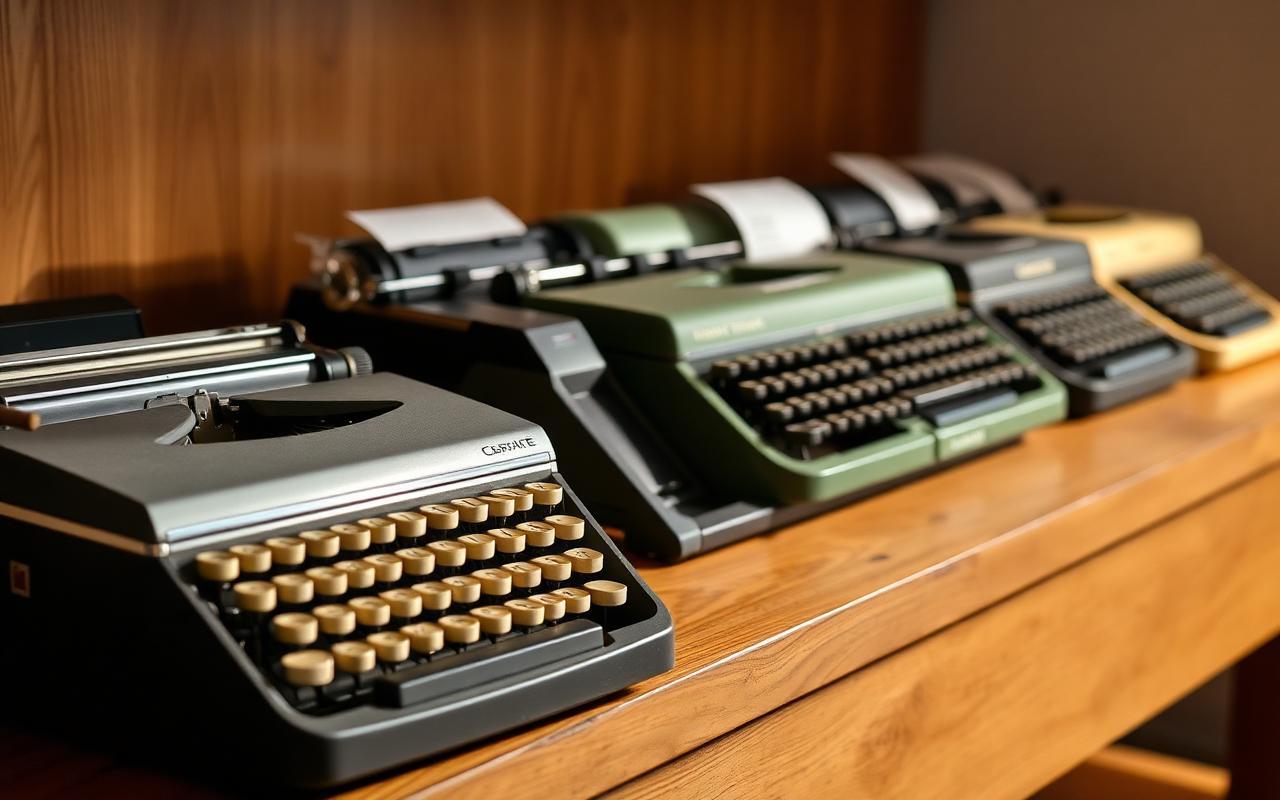
A working collection strategy for most people is a mix. A small number of high-originality display pieces, chosen carefully and priced to their originality. A larger number of restored or partly-original daily writers, chosen for feel and used regularly. This gives you both the pleasure of using excellent machines and the satisfaction of owning a few pristine ones.
The one thing you should never do is pay collector-grade prices for a heavily restored machine. That mistake is expensive, discoverable at any moment by any subsequent buyer, and correctable only by resale at a loss. Learn the tells above and you will not make it twice.
Not at all — they are essential for restoration and honest use. They are only wrong when they are sold as original.
Typically thirty to fifty percent less than the same machine in original paint of equivalent condition.
Very few deliberately. Most simply do not know, or use language ('restored', 'refurbished') that means different things to different people.
This article is original writing for The Ribbon & Platen and may not be reproduced without permission. Sources consulted:
- Author's comparative inspection notes
- ETCA discussion threads on originality, 2020–2024