Your First Typewriter for Under $200: Five Realistic Recommendations
Two hundred dollars will not buy you a museum piece. It will buy you a reliable daily writer that keeps you in the hobby past the first month. Here are five specific models and where to look.
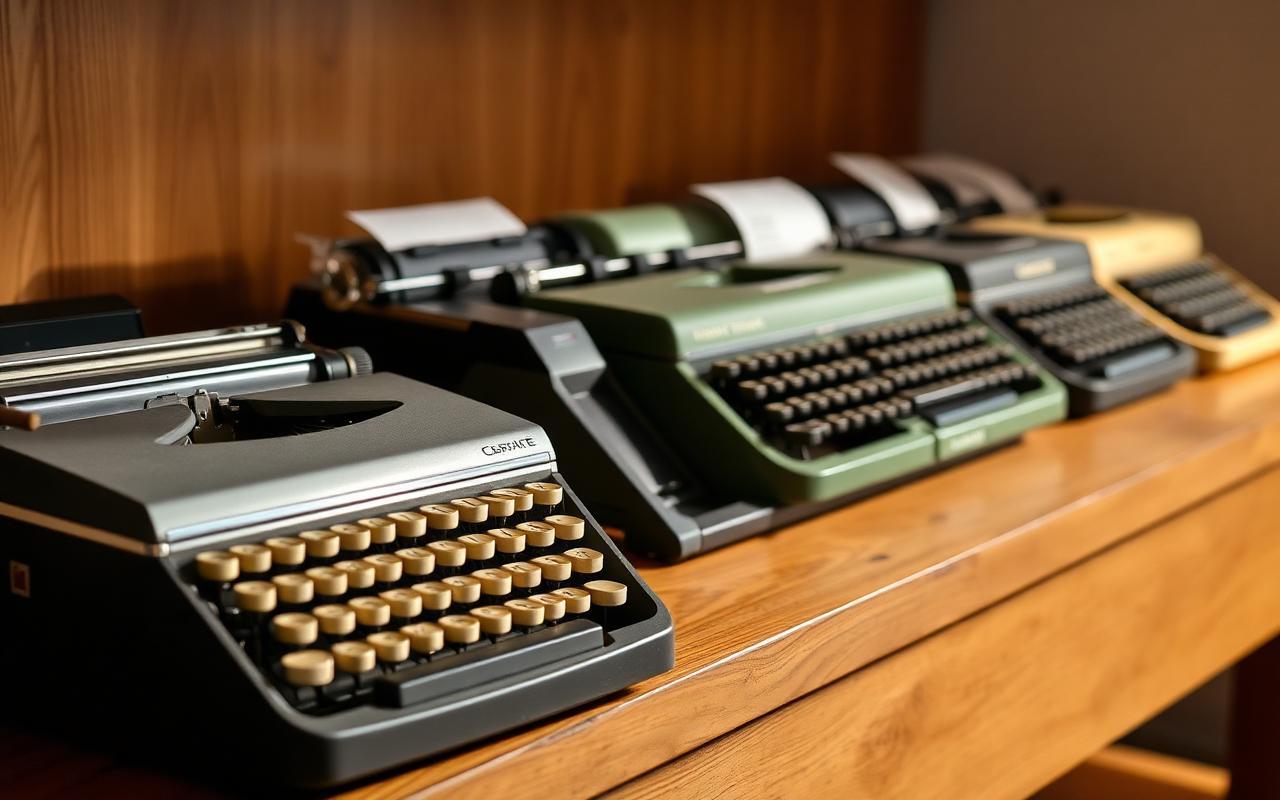
The first typewriter is the one that decides whether you stay in the hobby. If it types well, holds ink, and does not require an evening's disassembly before it can produce a coherent page, you will keep using it and the collection will grow. If it fails on the first sheet, you will conclude that vintage typewriters are difficult, and the machine will move to a shelf, then to a box, then to a garage sale.
Two hundred dollars is enough to avoid that failure mode. Here are five specific models — none rare, all excellent — and the notes you need to buy them well.
1. Olympia SM3 or SM4 (1954–1965)
The single best recommendation for a first serious portable. Solid, quiet, well-engineered, and forgiving of a beginner's typing technique. The SM3 was made in seafoam green and standard grey-black; the SM4 continued the line with minor mechanical refinements.
Expected price for a G2–G3 example: $130 to $180. Look for machines with their original cases, and confirm the drawstring and mainspring are healthy before purchase. Rubber feet almost always need replacement; this is a fifteen-minute job.
The seafoam green SM3 in G2 condition costs more, typically around $200 to $250, and is worth it if the appearance matters to you.
2. Royal Quiet De Luxe, flat-top years (1953–1958)
The flat-top Quiet De Luxe is the best-value American portable in the current market. Excellent build quality, distinctive American design, and prices held down by collector focus on the earlier tombstone-key years.
Expected price for a G2 flat-top: $100 to $170. Cases are frequently damaged; a machine with a solid case is worth ten to fifteen percent more. Confirm the Magic Margin lever functions correctly.
3. Olivetti Lettera 32 (1963 and later)
The most-recommended vintage portable in the hobby, and available in enough quantity that reasonable prices persist. Beautiful, light, quiet, and famously reliable.
Expected price for a G2 example: $120 to $200. The most common issue for beginners is the proprietary ribbon spool situation, which is easily solved with reproduction spools. Buy from a seller who confirms the machine's ribbon spools are present and that it types cleanly.
4. Smith-Corona Silent-Super or Sterling (1953–1962)
The Silent-Super and Sterling are two closely related American portables that offer excellent build quality at lower prices than the Royals of the same era. The Silent-Super was the premium model with the ribbon selector; the Sterling was the value model without.
Expected price for a G2 Silent-Super: $100 to $170. Sterlings are cheaper, often under $100. Both machines have excellent keyboards and typical Smith-Corona reliability. The main watch-outs are hardened feed rollers (which cause paper slippage) and dry lubrication at the escapement.
5. Hermes Baby or Hermes Rocket (1935–1970s)
The ultimate travel portable. Wafer-thin, elegant, and famously indestructible. Both models share essentially the same mechanism; the Rocket is the later-production name used in the US market.
Expected price for a G2 example: $150 to $250. This is the priciest recommendation on the list but the smallest and the most portable. If you envision carrying a typewriter to cafés or on trips, the Baby is the answer. The one significant downside is a shallow key throw that some users dislike; try one before committing if possible.
What to avoid at this price
Several categories of machine cluster in the under-$200 bracket that look tempting and disappoint.
Cast-iron desktop machines from the 1930s. Genuinely excellent typewriters — Underwood No. 5, Royal 10, L. C. Smith 8 — but heavy (15 to 20 kg), immovable, and impractical as first machines unless you have a dedicated writing desk.
European portables with unfamiliar keyboard layouts. A German QWERTZ or a French AZERTY machine costs half as much because most anglophone buyers do not want them. If you cannot touch-type on the correct layout, the machine will be permanently frustrating.
"Untested" listings priced above $75. The word "untested" almost always means "does not work." Under $75, it may be worth a gamble; above that, insist on a working demonstration or a typed sample photograph.
Ultra-cheap "vintage" plastic typewriters from the 1970s. Some are excellent (the Adler Tippa S is a hidden gem); many are disposable machines built to a price point and not worth restoring. Look up the specific model before buying.
Where to look
Local flea markets and estate sales. Best prices, best selection if you are patient, physical inspection possible.
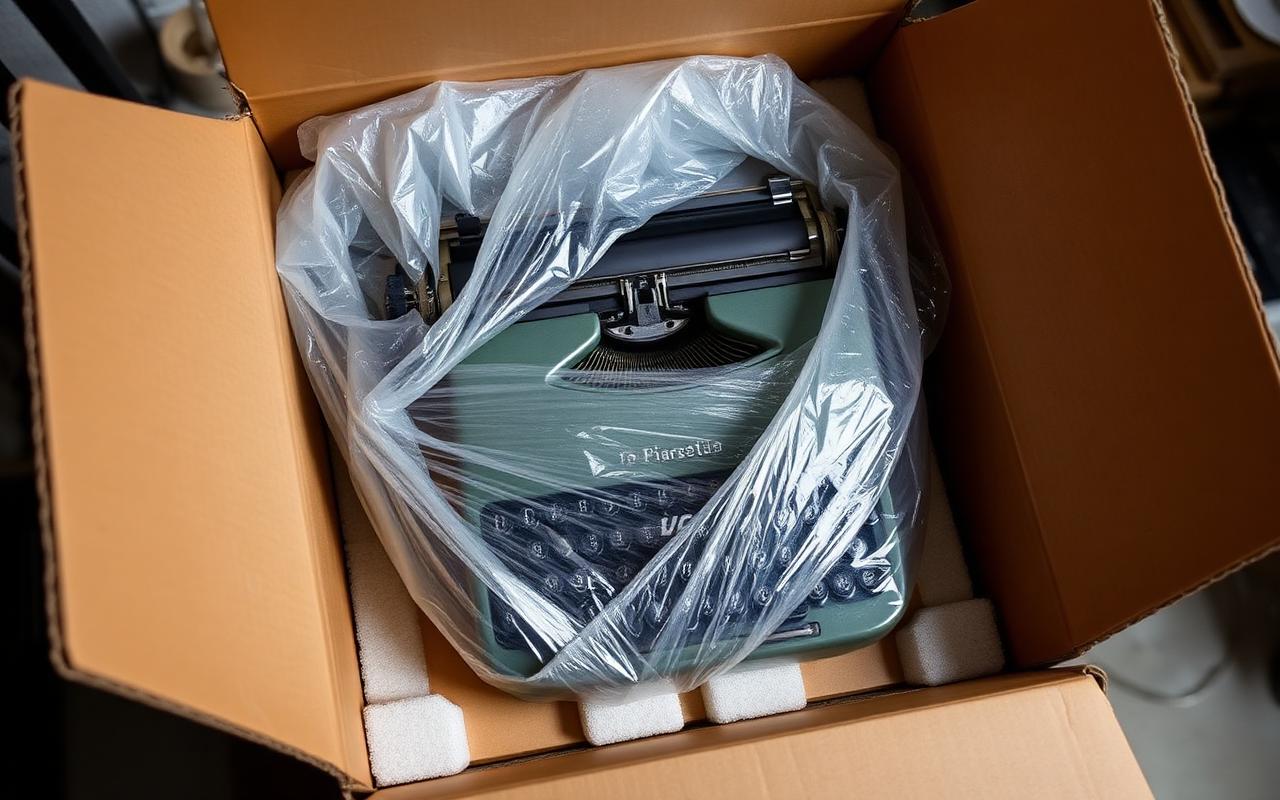
eBay and equivalent platforms. Largest selection worldwide, but shipping doubles the risk. Insist on well-packed machines and expect to see damage in perhaps ten percent of shipments.
Etsy. Restored machines at premium prices from small dealers. Higher confidence, higher price.
Local repair shops. The best option if one exists near you. A serviced machine from a shop that stands behind its work is worth the extra fifty to one hundred dollars.
Collector-community sales. Long-time collectors thin their collections periodically, and machines sold within the community are typically well-described and fairly priced.
The one rule
Buy a serviced machine, not a bargain-priced project. Restoration is a wonderful part of the hobby, but starting with a project machine before you have any working example to compare it against is a common way to lose faith in the whole endeavour. Get a machine that types cleanly on the first day, learn what "good" feels like, and then — six months later, with more knowledge and more patience — start the project.
Only if you are prepared to spend an afternoon on a first cleaning and have the tools. A first-time buyer is usually better served by a serviced machine.
Yes, with care. Look for sellers who explicitly confirm the machine has been tested, ideally with a typed sample photo. Avoid 'untested' listings for your first purchase.
Always the safer option if one exists near you. A machine you can inspect in person is worth more than one you cannot.
This article is original writing for The Ribbon & Platen and may not be reproduced without permission. Sources consulted:
- Ninety days of eBay Sold-Listing data
- Etsy 2025 vintage typewriter category summary