Sourcing Rare Parts: The Donor-Machine Strategy
New parts for a 1955 Olympia SM3 do not exist. Old parts do, and the cheapest way to acquire them is to buy an incomplete machine of the same model and quietly harvest what you need.
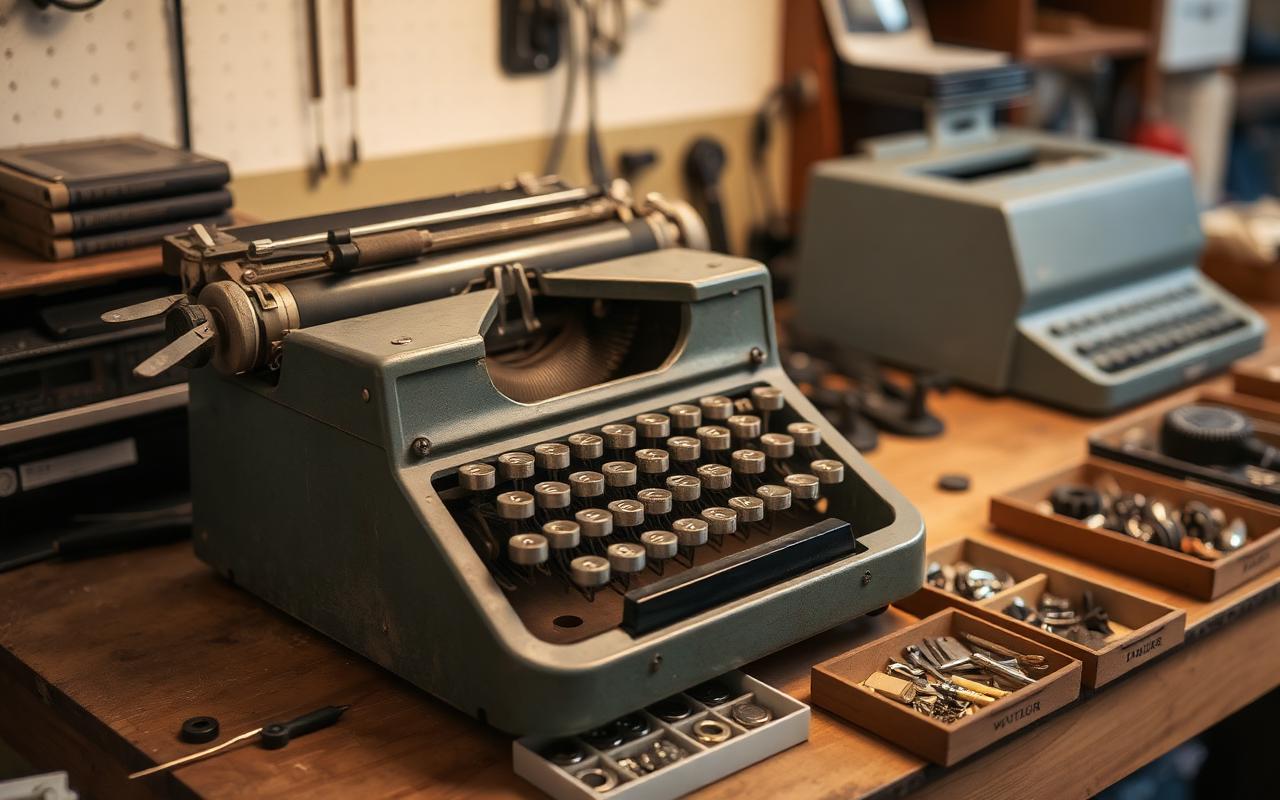
A functioning typewriter is a system of about two thousand parts. When one specific part fails — a broken drawstring guide, a snapped keylever return spring, a cracked ribbon spool — the machine stops. The question is not whether you will need parts. The question is where they will come from.
The answer, in almost every case, is another machine.
Why new parts do not exist
Typewriter manufacturing ceased at scale in the 1980s. The dies that pressed the parts, the moulds that formed the plastics, the tooling that shaped the castings — all of it was scrapped or dispersed as the factories closed. What remains is warehouse stock (extremely limited, guarded by dealers who have priced it accordingly) and the parts still installed in surviving machines.
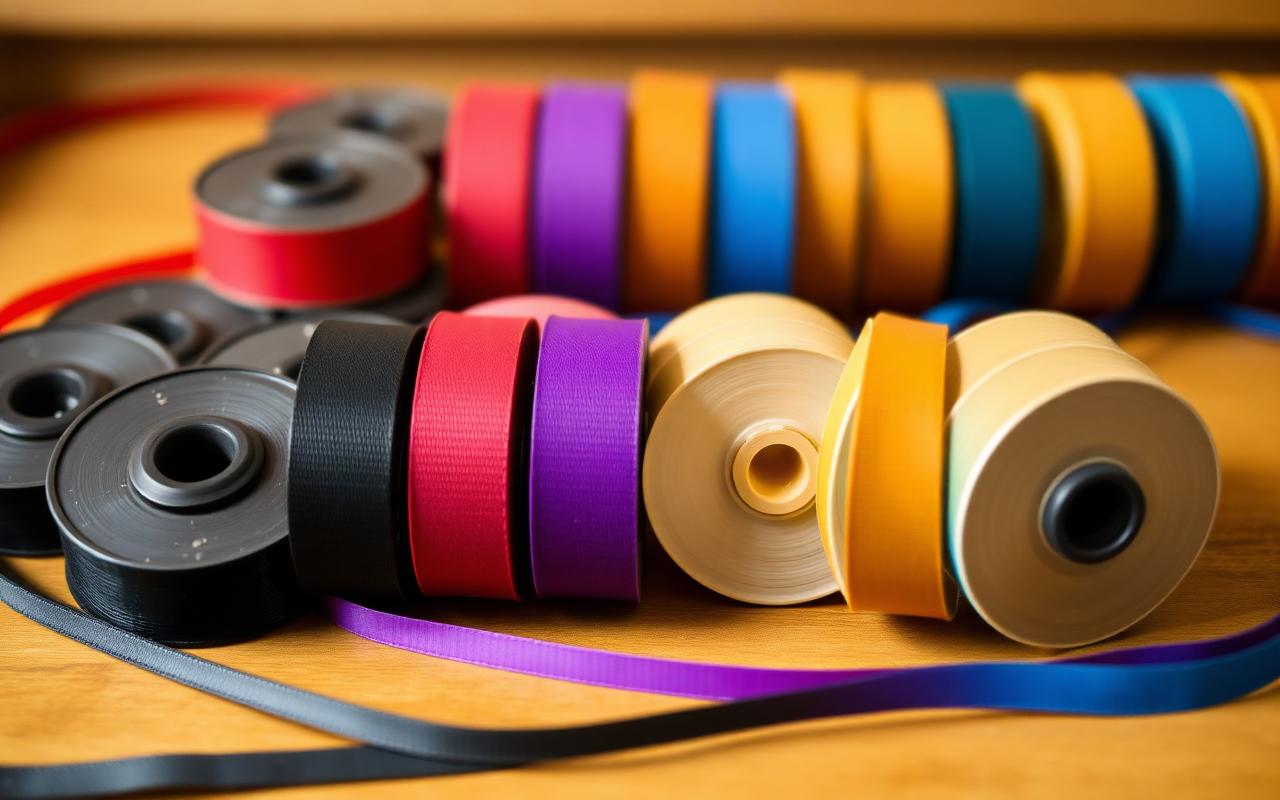
Small suppliers do reproduce a handful of consumables — rubber feet, platen recovery, ribbon spools for a few common models, key rings — but these are the exceptions. For structural parts, machined parts, and anything model-specific, other machines are the only source.
The donor machine principle
A donor machine is a typewriter you buy explicitly to disassemble for parts. It is usually a model you already know well and service regularly. It is usually in G3 or G4 condition — good enough to sacrifice, bad enough to be affordable. And it is usually not the machine you set out to buy; it appeared as a "junk" listing on an auction site or a flea market table, and you recognised its value the moment you saw it.
Common candidates:
- Cosmetically ruined machines with sound mechanics. The paint is gone, the case is destroyed, but every part inside is workable.
- Machines with unfixable frame damage whose internals are otherwise pristine.
- "Missing keys" listings where the reason the machine is being sold is the visible damage; the seller has no idea that the intact eighty-seven parts inside are worth more than the broken one.
A well-chosen donor for a common model typically costs less than one hour of a repair shop's labour. It supplies parts for years.
What to keep
Do not disassemble a donor to nothing. Strip the machine only for the parts you are likely to need, in the sizes that are worth storing, and leave the balance intact for future harvesting.
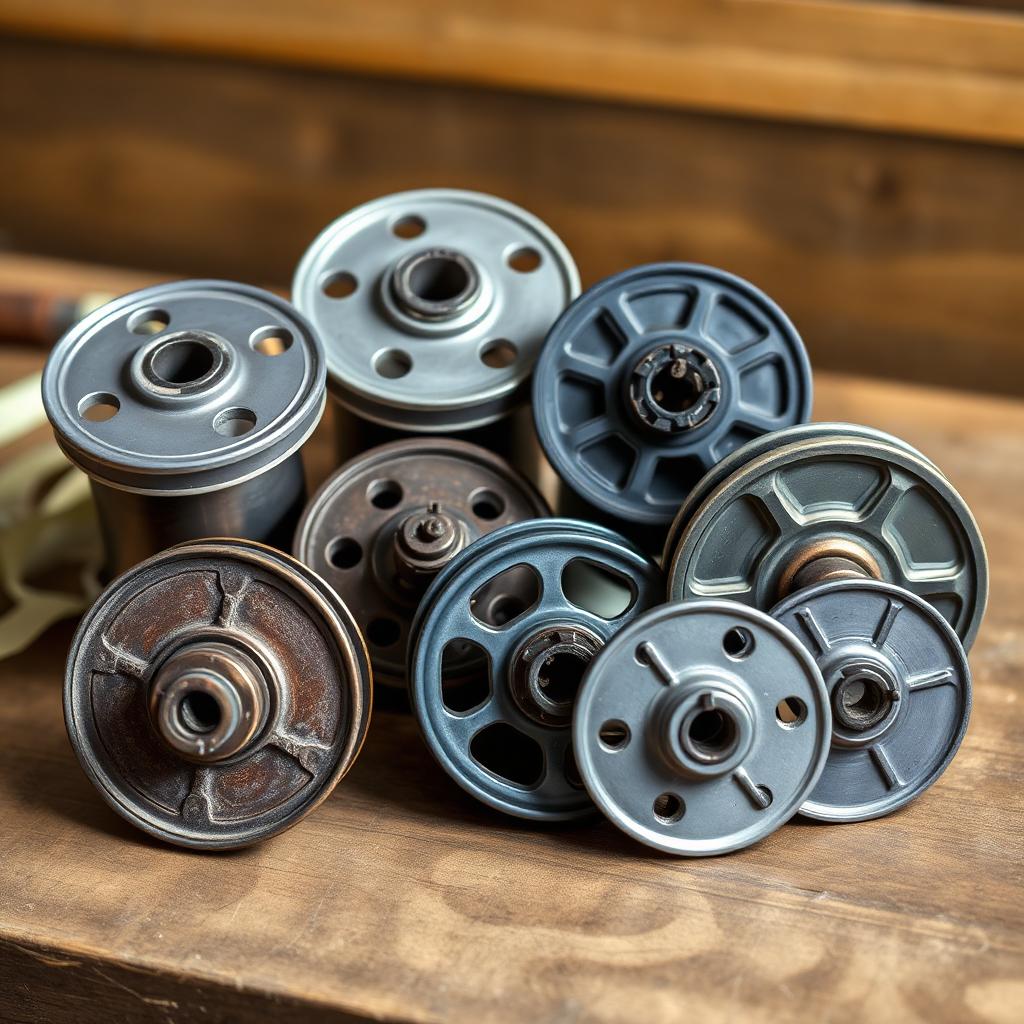
- Small structural parts: typebar return springs, drawstring guides, escapement pivots, ribbon spool cups.
- Consumable-adjacent parts: rubber feet, drawband cord segments, ribbon spools.
- Key components on rare models: type slugs, keylevers, ribbon vibrator arms.
- Anything cosmetic that matches your other machines: paint-perfect body panels, unbroken decals, undamaged paper tables.
Store harvested parts in labelled compartmented boxes with the model and date of donor. A single index card taped inside the box lists what was removed and what remains available on the donor machine. Without this cataloguing you will forget within eighteen months.
The rare-model problem
For rare models — Groma Kolibri, Corona 3 folding, most pre-1900 machines — donor machines appear rarely enough that "wait for one" is a real strategy. The correct behaviour is patient: watch listings continuously, set alerts on the auction sites, and be prepared to buy any donor that appears at a fair price, even if you do not currently need parts. Storage is cheaper than regret.
Within a small collector community, parts trading is common and generous. A collector who has just harvested a Groma parts machine will often trade the parts nobody else can use for something they need for a different project. Join the community for the parts alone; the friendships are a happy side effect.
When professional shops still exist
A small handful of shops in the US and Europe stock parts for common models and will sell them individually. Their prices are fair given the scarcity, and they are worth supporting. For an urgent repair, calling one of them saves days over waiting for a donor to appear. But even the best-stocked shop cannot supply parts for genuinely rare models, and their inventories dwindle each year as the last generation of trained repair technicians retires.
What not to do
Do not scavenge donor parts to repair a machine you do not need. The donor was worth buying because it produced parts for machines you actually use. Every part removed for a hypothetical future project ages faster than a part left installed. Store donors intact; harvest only when the specific job demands.
Do not confuse "donor" with "junk." A donor is a decision, not a discard. When you buy a machine explicitly as a donor, treat it the same way you would treat any acquisition: photograph it, document it, and keep the record.
The typewriter parts market is, in the end, a slow ecosystem of harvested and shared components moving between people who share a specific patience. Learn its rhythms and your machines will keep writing longer than you will.
Two per model you actively service. Beyond that you are running a museum of parts, and storage costs eat any savings.
One index card per donor, listing which parts have already been harvested and which remain available. Otherwise you re-inspect the same shelf every project.
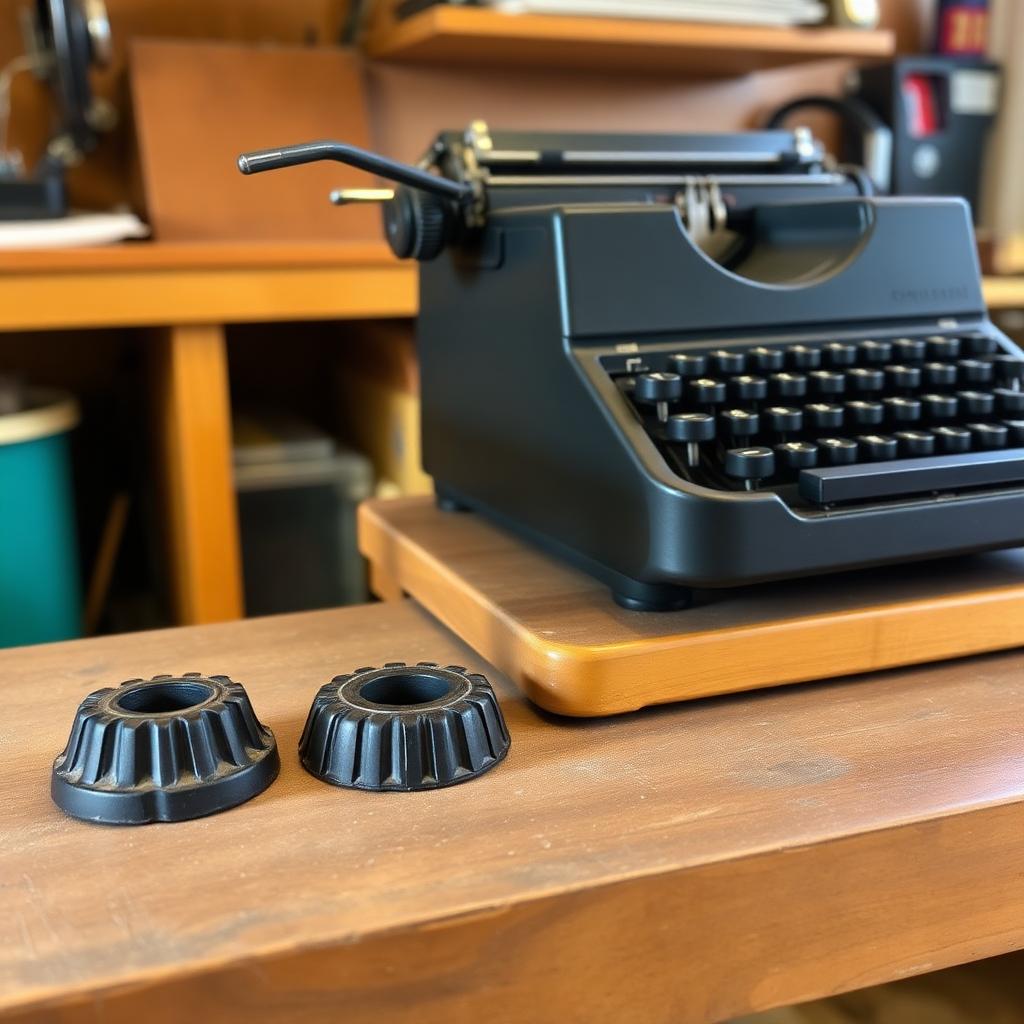
Excellent for spool hubs, key caps, and simple plastic covers. Not yet an answer for machined steel parts.
This article is original writing for The Ribbon & Platen and may not be reproduced without permission. Sources consulted:
- Author's parts catalogue, 2019–2025
- Correspondence with three US typewriter shops