Home Care for a Hard Platen: What Works and What Does Not
You cannot re-vulcanise a platen in your kitchen. You can, however, buy meaningful improvement in feel and print quality with three simple treatments — and avoid the three internet remedies that will destroy the rubber outright.
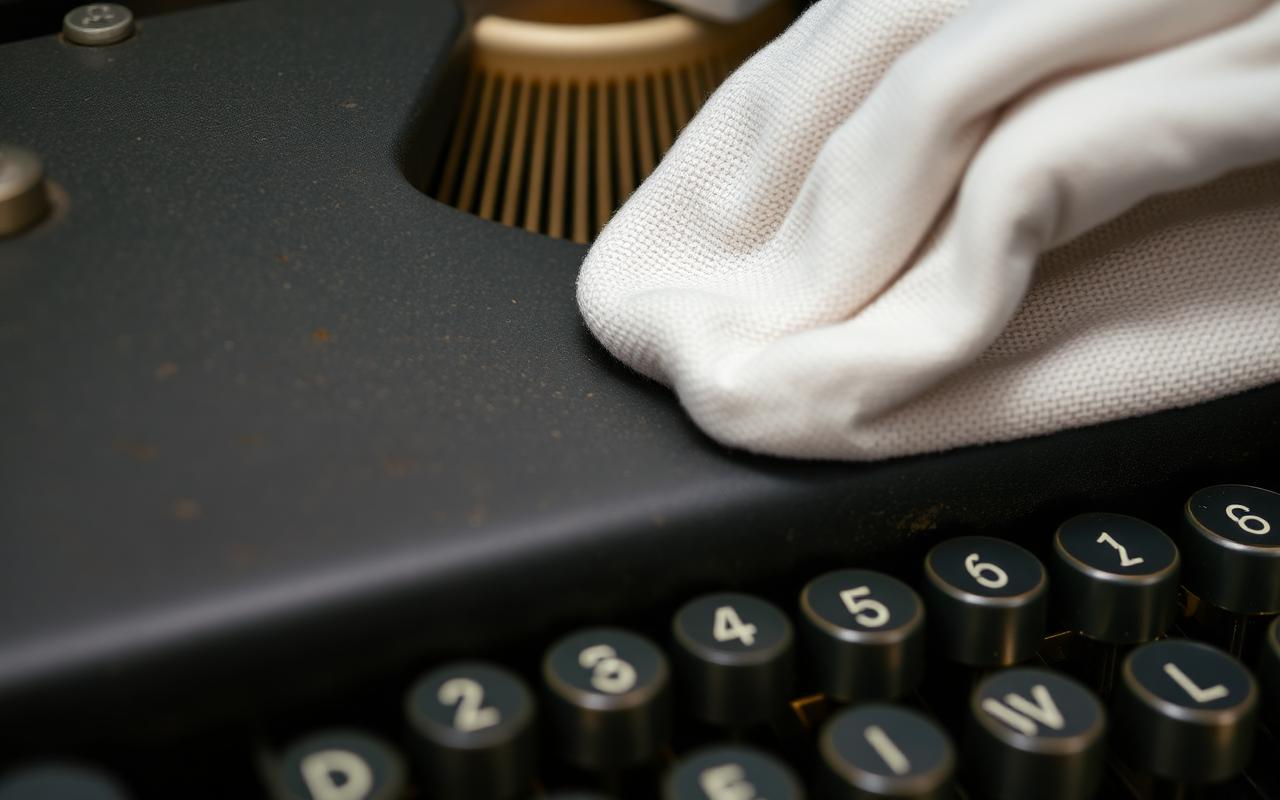
A platen is a length of natural or synthetic rubber bonded to a steel core. Over decades, natural rubber loses volatile components, oxidises at the surface, and cross-links internally, all of which increase its hardness. The chemistry is one-directional. What you can do at home is manage the surface, not restore the core.
What actually helps
Regular light wiping. A dry, clean platen prints better than a dusty, sticky one. Wipe monthly with a barely damp microfibre cloth, followed by a dry cloth. This alone extends the useful life of the surface and keeps paper grip consistent.
Pharmaceutical glycerine. A single cloth-wipe of glycerine every six months softens the outer skin of the rubber slightly. The effect is small — perhaps two to four points on the Shore-A scale, temporarily — but noticeable. Do not saturate. Do not wipe glycerine into the segment or feed rollers.
Packing sheets. Placing a second sheet of paper behind the primary sheet cushions the impact and produces a softer print. Two thin sheets work better than one thick sheet. Some writers use a strip of tissue paper for a similar effect.
Reduced typing force. Retraining your typing to use lighter keystrokes reduces stress on both the platen and the typebars and produces cleaner impressions. Most vintage machines were designed for touch typists using considerably less force than a modern keyboard user tends to apply.
What does nothing
"Rubber restorer" products for tyres or dashboards. Formulated for synthetic rubber, usually containing silicone. Silicone is death to any surface you may later want to paint, glue, or re-decal. Avoid.
Vinegar, ammonia, or dish soap. All ineffective and some mildly harmful to the outer skin.
Warming the platen. Sometimes suggested; produces no lasting change and risks damaging surrounding parts.
What actively destroys the platen
Brake fluid. The most-cited bad internet remedy. Brake fluid contains solvents that penetrate rubber quickly and dissolve the cross-links, producing an initially soft surface that continues to degrade and eventually sloughs off in flakes. The platen is unsalvageable after treatment.
WD-40 or penetrating oil. Similar problem: solvent carriers soften rubber temporarily and leave residues that continue to attack the material.
Sanding or filing. Removes the outer skin and exposes fresh unaged rubber briefly, but the exposed layer immediately begins to oxidise, and the platen's diameter is now smaller than the factory spec, which affects paper grip and impression consistency. Never on a platen you value.
Petroleum jelly, silicone spray, or armor-all. Leave residues that transfer to paper, ribbon, and segment.
When home care is not enough
If glycerine and packing sheets are not producing acceptable results, the platen is beyond home care. The choices are three.
Live with it. Many vintage machines type acceptably on hard platens if the user is patient with impression quality and light-handed with the keystroke. This is the most common outcome and often the right one.
Send the platen for professional recovery. Discussed in detail elsewhere; the definitive fix, costing roughly USD 150 to 250 per platen in 2025, and worth the money on a machine you intend to use.
Source a replacement platen from a donor. For common models, a donor machine's platen is usually still hard, so this trades one problem for another. Occasionally you find a donor whose platen has aged more gently and is worth harvesting; more often the platen needs recovery too.
A note on feed rollers
The rubber feed rollers behind the platen age on the same schedule. When you evaluate a platen for treatment or replacement, evaluate the feed rollers at the same time. A recovered platen paired with fossilised feed rollers still feeds paper poorly. Ship them together when sending for recovery; treat them together with glycerine when doing home care.
The long view
Platen chemistry has improved slightly since the mid-century era, and modern recovered platens should hold acceptable hardness for twenty to thirty years under typical use. If you have a machine you love, plan to have its platen recovered once during your ownership, budget for it, and enjoy the machine without agonising over impact damage every time you type.
Between recoveries, glycerine and light hands are the whole of home platen care. Everything else in the internet's collective wisdom is at best a placebo and at worst a slow way of ruining the platen you were trying to protect.
No. Both leave a slippery residue that reduces paper grip and eventually transfers to the segment.
This is the internet's most persistent bad advice. Brake fluid dissolves rubber. It will feel soft the day after; the platen will be ruined within a month.
Only if it is specifically labelled for natural rubber and contains no silicone. Most automotive rubber products are formulated for synthetic rubber and contain silicone.
This article is original writing for The Ribbon & Platen and may not be reproduced without permission. Sources consulted:
- J.J. Short Associates, published care advice
- Author's platen treatment log, 2020–2025