The Shift Key Wars: How Single-Shift and Double-Shift Designs Split the Market
For forty years, typewriter makers argued over whether one shift key was enough or two were necessary. The answer determined keyboard layout, typeface count, and the feel of every machine built between 1890 and 1930.
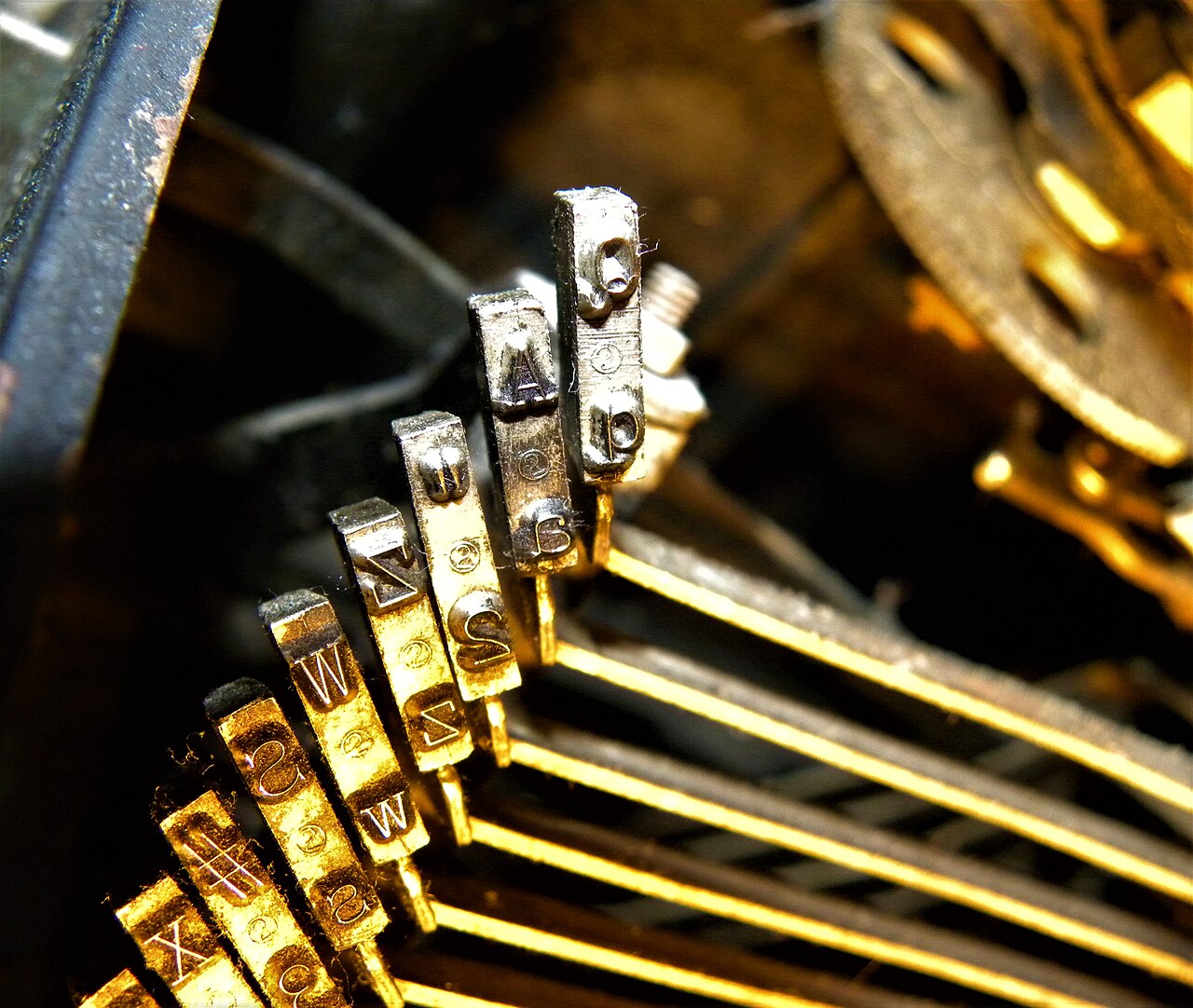
The shift key is so familiar that it is hard to imagine a typewriter without one. But the shift key was an invention, and like every invention it had competitors. For the first four decades of the typewriter's commercial life, manufacturers argued over how many shifts a machine should have, and the argument was not abstract — it determined the weight of the machine, the number of typefaces it could print, the layout of the keyboard, and the feel of every keystroke.
The argument was never fully resolved by committee. It was resolved by the market, which chose differently for office machines and portables, and the design split that resulted is still visible in every typewriter made after about 1935.
The single-shift premise
The original shift mechanism, patented in the 1890s, raises the entire type basket by a fixed distance so that a different character on each typebar meets the platen. One shift key, two characters per typebar — lowercase and uppercase. The mechanism is compact, adds one moving assembly to the machine, and lets the keyboard fit the alphabet on three rows plus a figure row.
The single-shift design's great advantage is simplicity. One shift linkage, one type basket position change, one set of adjustments. Its great limitation is that it offers only two characters per typebar position. Figures and punctuation must share the number row with uppercase letters, reached by shifting, which means typing a figure requires pressing shift — a two-key operation for every number.
For correspondence and general writing, this is acceptable. For accounting, tabulation, and any work heavy in figures, it is slow.
The double-shift alternative
A double-shift machine adds a second shift key and a second type basket position. The first shift raises the basket to uppercase; the second raises it further to figures and symbols. Each typebar now carries three characters, the keyboard can dedicate rows to letters and figures separately, and a figure is a single keystroke on its own key.
The cost is mechanical. A second shift means a second linkage, a second set of stops and adjustments, a heavier type basket, and more failure points. The keyboard is wider or the keys smaller. The machine is heavier. For an office standard that sits on a desk and is never moved, these costs are bearable. For a portable, they are not.
How the market split
By 1910, the split was clear and it hardened over the following two decades.
Office standards: double-shift or figure keys
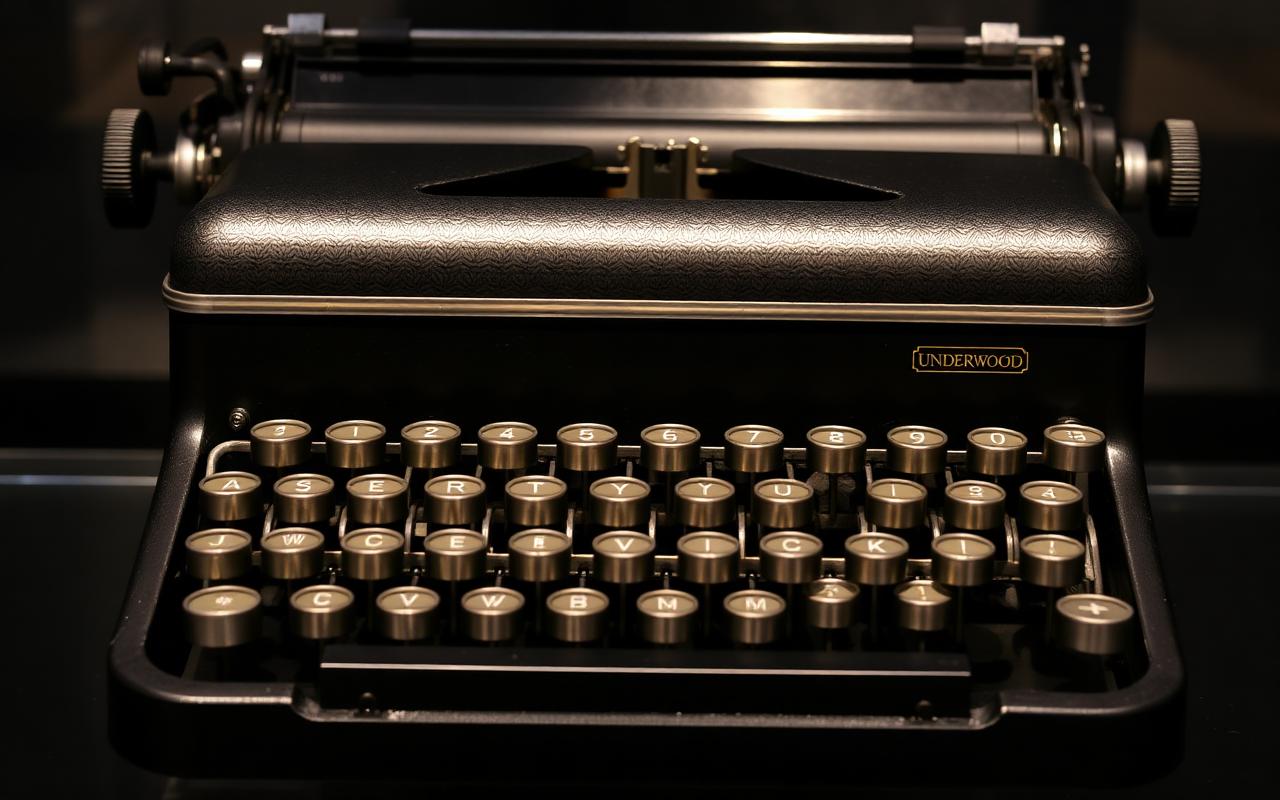
Office machines — Underwood 5, Royal 10, Remington 12 — served clerical workers who typed figures all day. The market demanded figures without shift, and the manufacturers delivered, either through a double-shift mechanism or through a separate figure keyboard on the earliest machines. The added weight and complexity were irrelevant to a machine that never left its desk.
The Underwood 5, the most successful office standard of the 1910s and 1920s, used a single shift with figures on the number row — and won on the strength of its typebar action and reliability rather than its shift design. The lesson is that shift count was one factor among many, and not always the decisive one.
Portables: single-shift almost universally
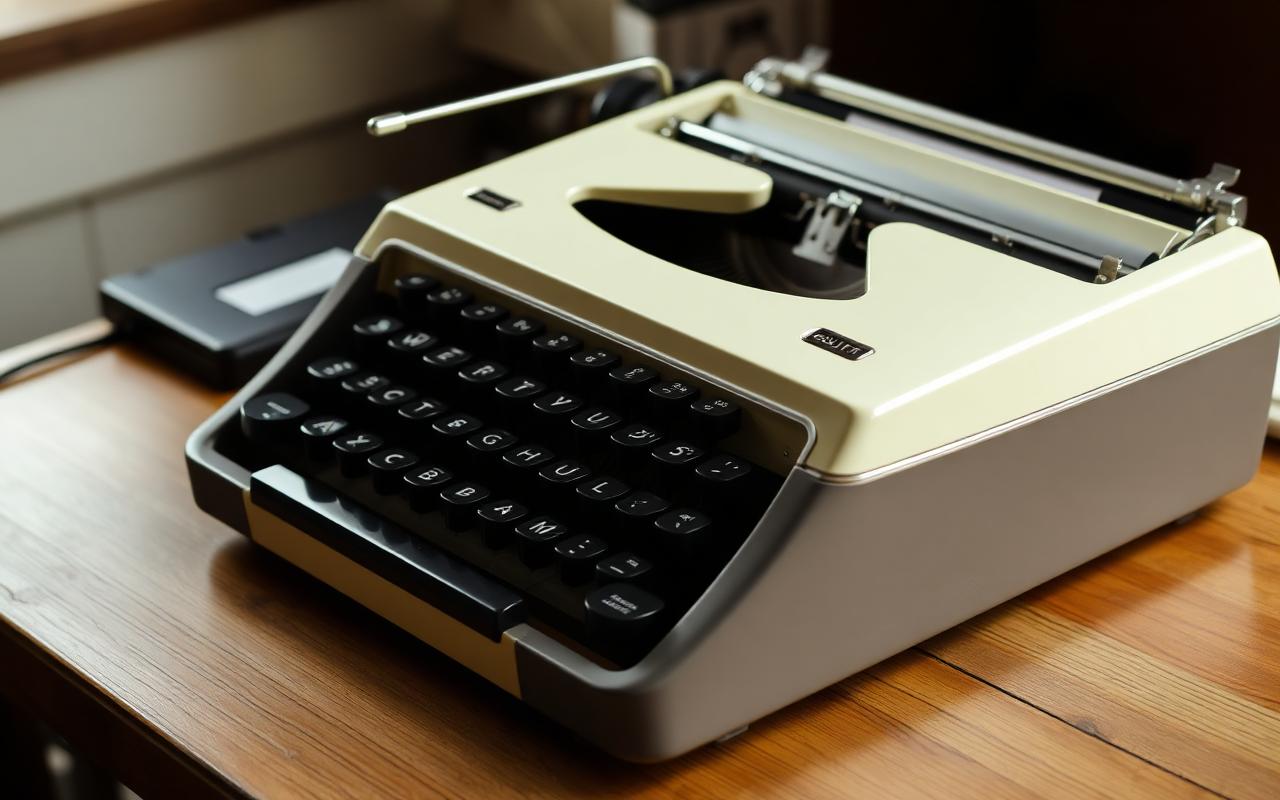
The portable market, which emerged in earnest after 1920, went single-shift almost without exception. A portable had to be light, compact, and cheap enough for a student or a travelling writer. A second shift added weight the category could not afford, and the figure-row compromise was acceptable to writers who typed letters more than ledgers.
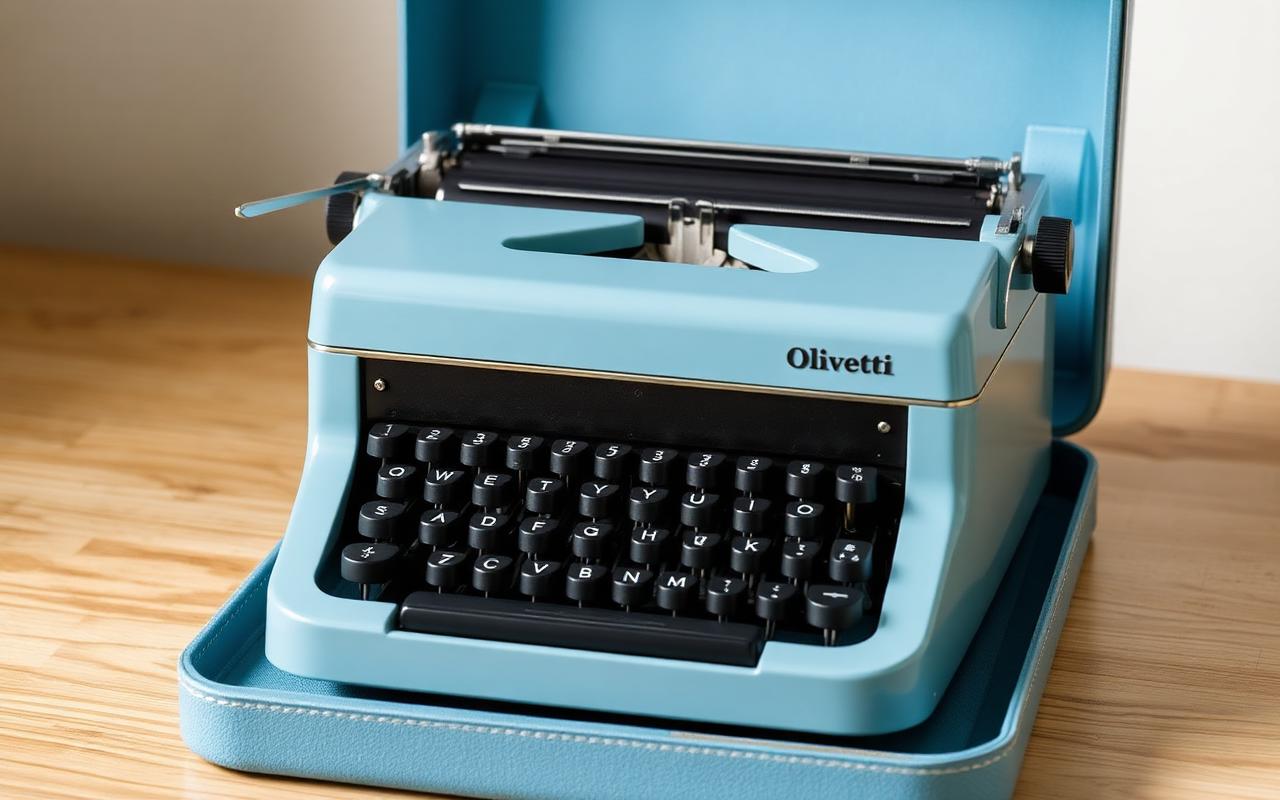
The Corona 3, the Hermes Baby, the Olympia SM3, the Olivetti Lettera 32 — the portables that defined the category for fifty years are all single-shift. The few double-shift portables that were built are curiosities, not successes.
The exception: accounting and specialised machines
Machines built for billing, accounting, and statistical work kept double-shift and even triple-typeface designs into the 1950s. These were never general-purpose machines and never sold in portable form. The shift argument was settled for the mass market and continued only in niches where figures were the primary content.
Why the argument mattered
The shift count determined more than the keyboard. It determined the typeface count, which determined the typebar count, which determined the width of the segment, which determined the width of the machine. A double-shift portable would have been wider, heavier, and more expensive than the single-shift portable that replaced it — and the portable category's success depended on being none of those things.
The single-shift design's victory in the portable market is the reason every portable typewriter you encounter has one shift key and figures on the number row. It is not because the designers could not build a double-shift portable. It is because the market would not buy one, and the manufacturers who tried did not survive.
The shift key wars are a small case study of a larger pattern in typewriter history: the mechanism that won was usually the mechanism that fit the machine's purpose at the weight and price the market would pay, not the mechanism that was technically superior. The double-shift design was better for figure-heavy work. The single-shift design was better for the machines people actually bought, and that was the argument that counted.
The second shift on a double-shift machine, which raises the type basket a second distance to print figures and punctuation. On a single-shift machine, figures share the top row with uppercase letters and are reached via shift.
A few office machines offered a 'red' position via a ribbon shift combined with a double shift, giving up to four characters per typebar position. These were specialised machines for billing and accounting.
Count the shift keys. One shift key means single-shift; two (usually on opposite sides) means double-shift. The mechanism difference is inside the type basket.
This article is original writing for The Ribbon & Platen and may not be reproduced without permission. Sources consulted:
- Richard Polt, The Typewriter Revolution, 2012
- Bliven, The Wonderful Writing Machine, 1954
- Author's survey of 60 machines, 1895–1935