The Collector Communities Online: A Field Guide to the Forums That Still Work
The typewriter hobby lives online in forums, databases, and social spaces. This directory explains what each resource is for, how to ask useful questions, and why you should check recent activity before depending on a forum.
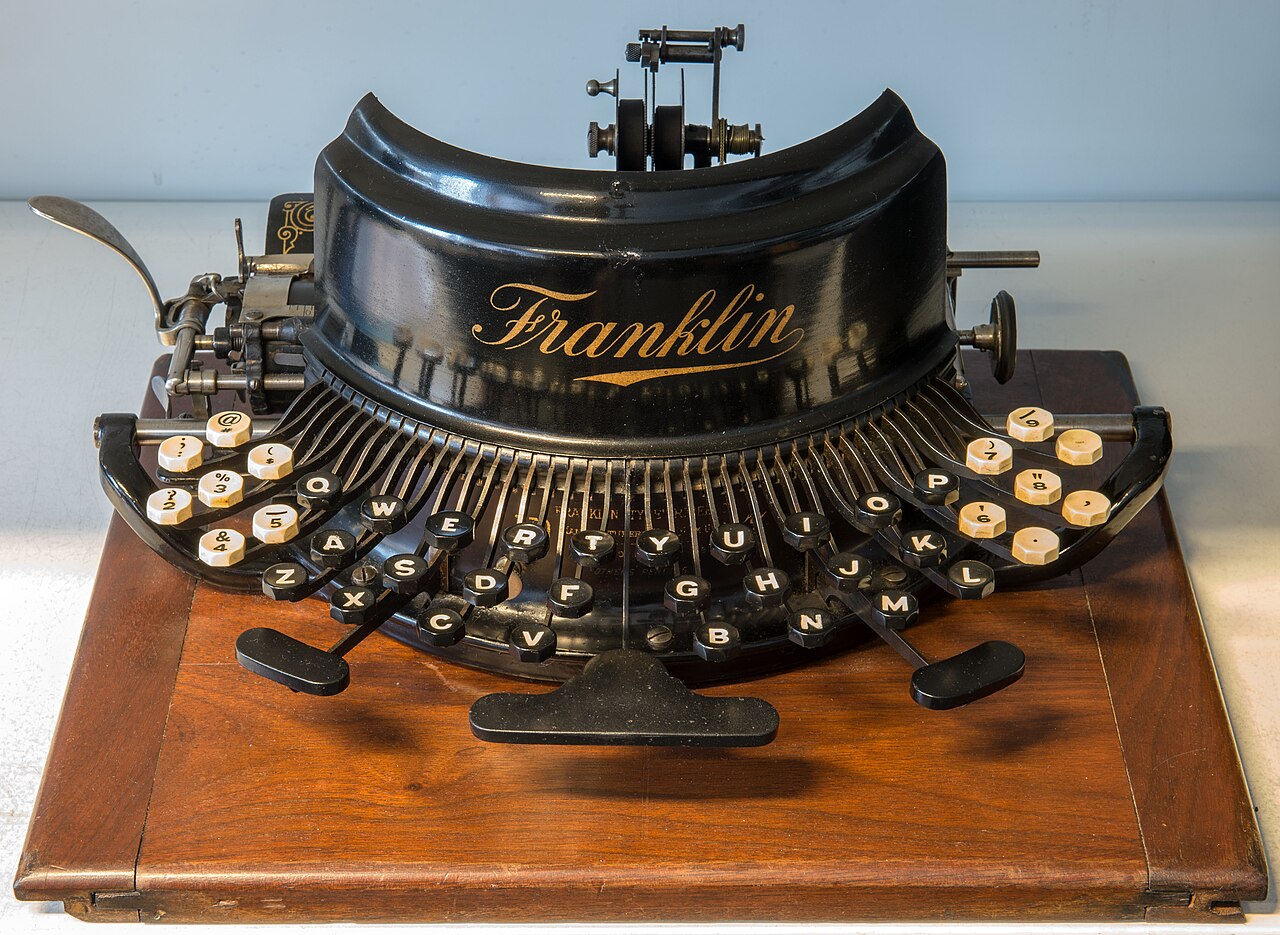
The typewriter hobby is small enough that the online community is the community. There are a few cities where collectors meet in person regularly, but for most participants the hobby is lived through a screen: identification questions asked and answered, machines bought and sold, repairs documented and shared. The quality of the online spaces determines the quality of the hobby for most of the people in it.
Not all of those spaces are equal. Some have deep archives of technical knowledge and active contributors who answer questions. Some are abandoned but still searchable, which makes them useful as a library if not as a community. Some are active but shallow, good for photographs and bad for reference. Knowing which is which is the difference between getting an answer in an hour and never getting one.
A short directory
The best starting point depends on what you need. These are distinct resources, and their posting activity can change; check the latest posts before relying on a forum for a timely answer.
- Typewriter Forum is a general discussion space for collecting, identification, and repair questions. Search its archive before opening a new thread, then include the make, model, serial number, clear photographs, and the steps you have already tried.
- Typewriter Talk is another discussion forum with long-running topic archives. It can be useful for browsing older repair threads and asking follow-up questions when a comparable discussion is not already available.
- ETCetera Forums, associated with the European Typewriter Collectors Association, is a focused community entry point for collectors interested in European machines, association activity, and related reference questions.
- The Typewriter Database is a community-built model and serial-number registry, not a discussion forum. Use it to research likely model and production information, then compare the result with the machine itself and reliable documentation. Contribute corrections or missing serial records when you can.
For current activity, open each forum's recent-post page and look at the dates and quality of replies. A searchable archive can remain useful even when new replies are infrequent; for urgent repair advice, confirm that a knowledgeable member is responding before depending on it.
Social media groups
Social media platforms host a number of typewriter groups, some with tens of thousands of members. These are the broadest, most active, and least technical spaces in the hobby. They are good for three things: seeing what other collectors are finding and working on, finding local buyers and sellers, and discovering type-ins and meetups in your area.
They are poor for technical reference and identification. The platforms' search is weak, the archives are not organised, and the format rewards photographs over substance. A complex repair question will get fewer useful answers on social media than on a forum, and the answer will be lost to the feed within a day.
Use social media for breadth and community, and use the forums for depth and reference. The two are complements, not substitutes, and the collectors who use both get more from each than the collectors who use only one.
The etiquette that matters
Three habits make you a good community member and get you better help.
- Search before you ask. The answer to a common question is in the archive, written by someone who knew more than the person who would answer today. Finding it yourself is faster and better for everyone.
- Give back what you learn. If you solve a repair problem, document it and post the result. The community runs on shared knowledge, and the people who contribute are the people who receive help when they need it.
- Be specific. A photograph, a serial number, a model, and a clear question get a clear answer. "I have an old typewriter, is it worth anything?" gets nothing, and it should.
The online community is the hobby's nervous system. The quality of the information that flows through it determines the quality of collecting for everyone. The spaces that work are the ones where people give more than they take, and the way to keep them working is to be one of those people.
Try Typewriter Forum or Typewriter Talk for discussion, and use the Typewriter Database as a model and serial-number reference. A regional group is useful for local buying and meetups.
Yes, after you have searched the forum's archive and the Typewriter Database. A clear photograph and serial number will get an answer; a vague description without photos will not.
For local buying, meetups, and seeing what other collectors are working on, yes. For technical reference and identification, the long-running forums are stronger because their archives are searchable.
This article is original writing for The Ribbon & Platen and may not be reproduced without permission. Sources consulted:
- Typewriter Database, community statistics
- Author's participation in online communities since 2018
- Typewriter Forum
- Typewriter Talk
- ETCetera Forums (ETCA)
- The Typewriter Database