New Wing at Milwaukee's Typewriter Museum: The Hammond Collection Opens
Two hundred and forty machines from the collection of Ernest and Miriam Hammond, gifted to the Milwaukee Typewriter Museum on Ernest's death in 2024, opened to the public this month. The exhibition rewrites what we know about early American manufacturing.
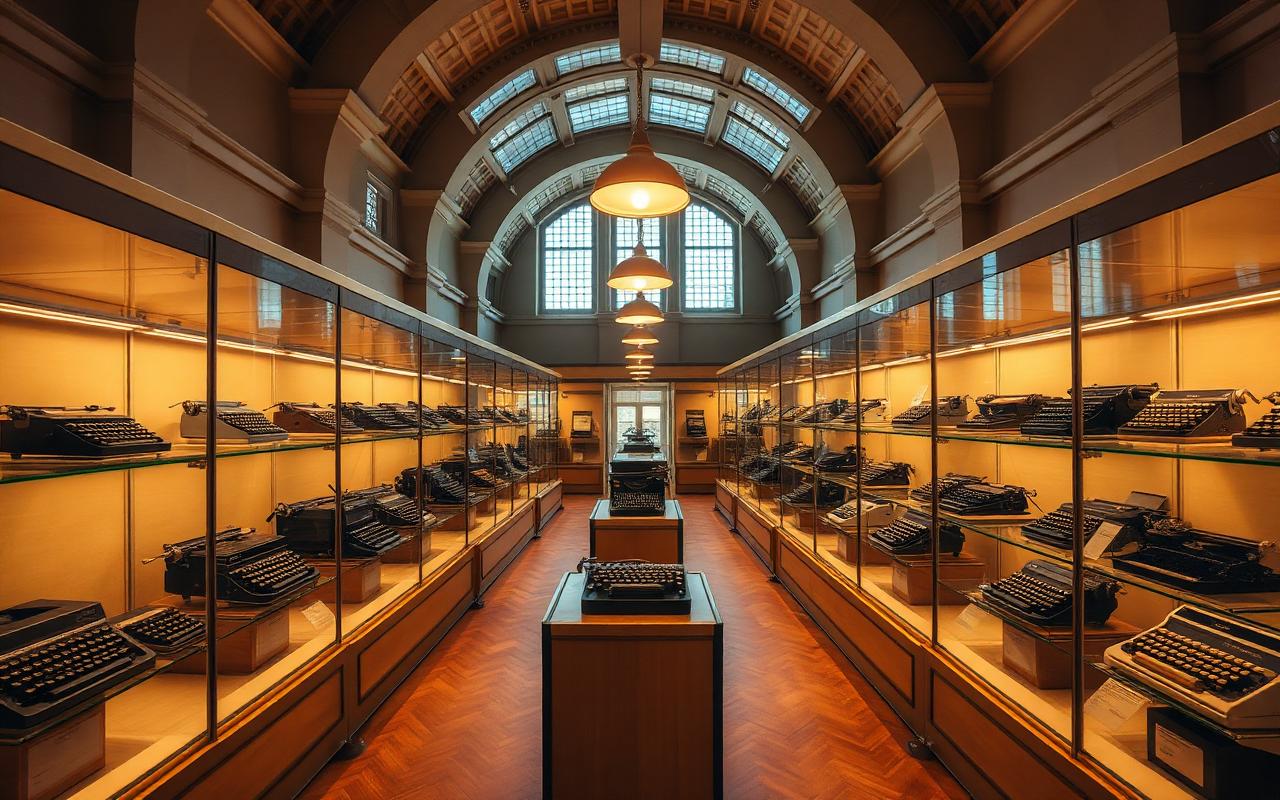
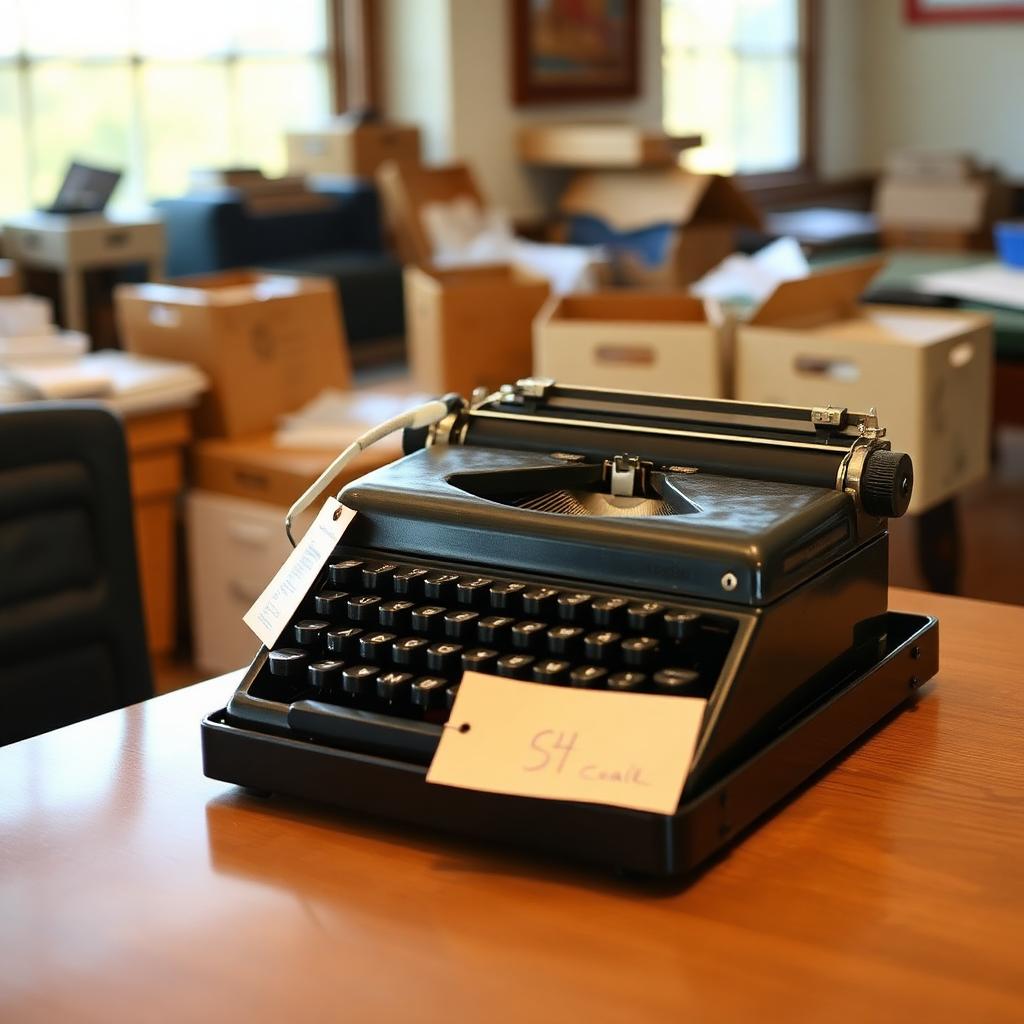
Ernest Hammond began collecting typewriters in 1962, aged nineteen, with a Corona 3 folding machine he bought at an estate sale in Racine. Over the following sixty-two years he and his wife Miriam assembled one of the most complete privately held collections of American typewriters ever documented, focused with characteristic thoroughness on the machines made between 1870 and 1930.
Ernest died in August 2024. The collection, per the terms of his will, passed to the Milwaukee Typewriter Museum, which spent eighteen months cataloguing, conserving, and mounting an exhibition around its most significant pieces. That exhibition opened on February 2, 2026, and I visited on the second Wednesday of the month.
The physical space
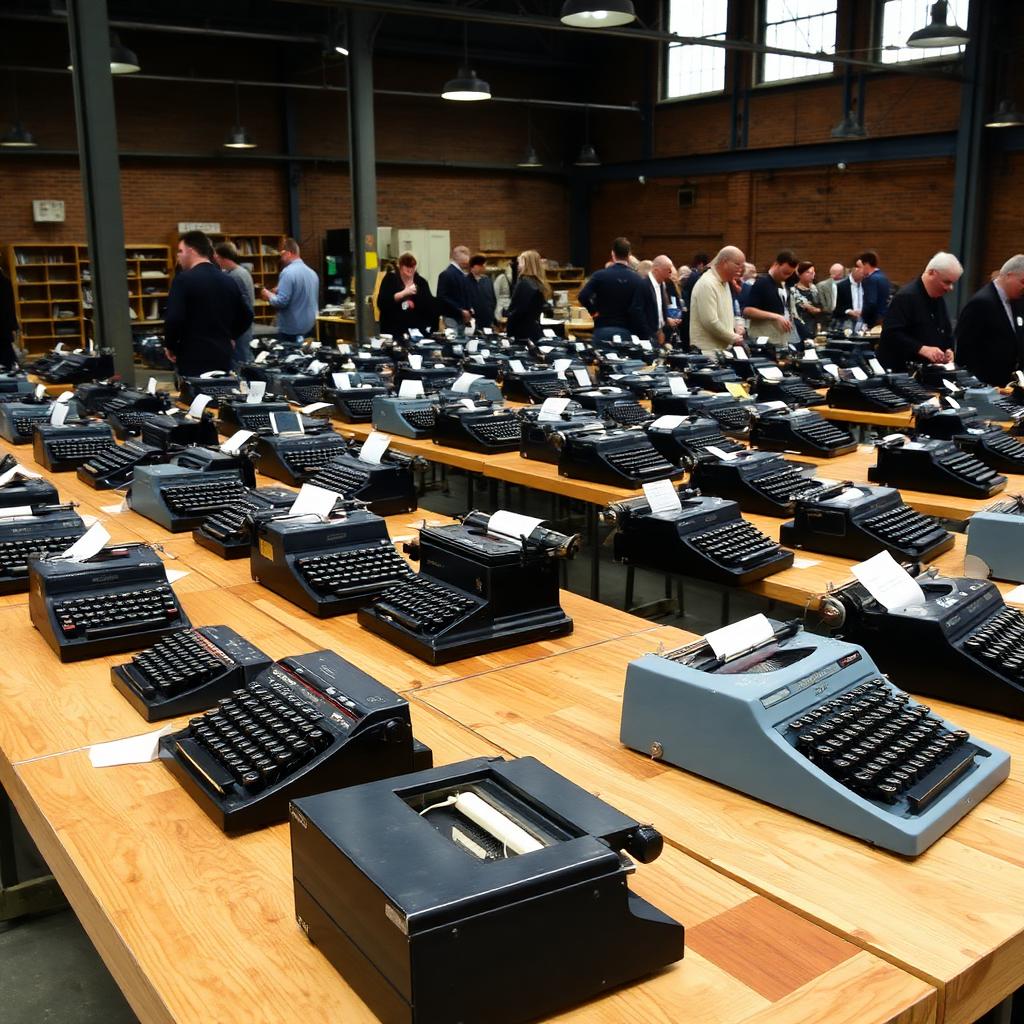
The new wing occupies what was formerly the museum's storage annex, a two-story brick addition built in the early twentieth century as a warehouse for the printing company next door. The exhibition designer — Elena Rios, previously of the Cooper Hewitt — has kept the industrial character of the space visible while installing forty-two glass vitrines and a long central table for supervised typing.
The lighting is unusually low, which surprised me on entry and made sense after twenty minutes. Nineteenth-century typewriter paints and decals fade under UV exposure; the museum has invested in specialist lighting that renders the machines beautifully while extending their conservation life by decades.
What is on display
The collection covers the entire early history of the American typewriter industry, and it is organised chronologically. The opening cases hold pre-Sholes writing machines: an 1867 Pterotype, a Hall typewriter of 1881, and — most spectacularly — the Hammond No. 1 from 1884, mounted in a case at eye level with a floor plate that visitors can circle.
The Hammond No. 1 is not, of course, related to the Hammond family; the name is coincidence. The machine was manufactured by James Bartlett Hammond of New York and used an interchangeable type-shuttle system that allowed the operator to swap typefaces in seconds — a feature no other machine of its era offered. Only about a dozen Hammond No. 1s are known to survive, and the museum's example is in remarkable condition, complete with its curved wooden case and original type shuttles.
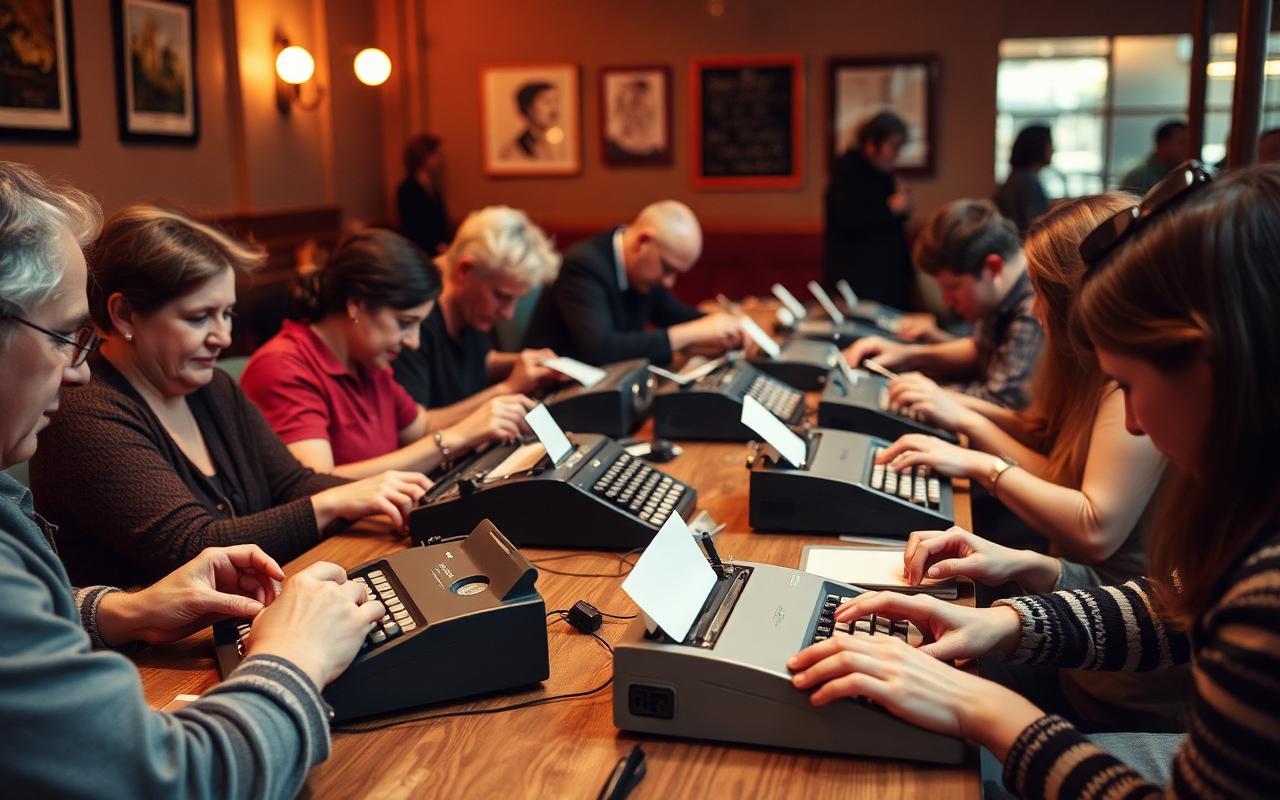
Adjacent cases hold Blickensderfers, Craddocks, Odell index typewriters, Franklins, and a working Chicago Model 3 from 1899 that visitors can operate on the first Sunday of the month.
The second floor covers the front-strike revolution: multiple Underwoods (including a No. 5 with matched serial-numbered case), an L. C. Smith No. 8, several Royals from the pre-standard era, and a group of Fox typewriters that establishes the previously under-documented influence of the Fox family on the American office market of the 1910s.
The final gallery is dedicated to Miriam Hammond's parallel collection of portable typewriters, which is less complete but includes a Corona 4 with unusual gold trim and a Remington Portable No. 2 in the rare red finish that few museums possess.
The curator's account
Dr. Amelia Wren, the museum's curator since 2018, has spent the last year on the exhibition and spoke with me at length about the challenges of accepting a collection of this size.
"The scholarship on some of these machines has to be redone," she said. "The Hammond collection includes seven variants of the Franklin typewriter that were not previously documented. Ernest kept extraordinary provenance records — where each machine was bought, from whom, with contemporary correspondence in many cases — and those records are as valuable as the machines themselves."
The museum is digitising the provenance records and expects to publish the archive online within eighteen months. The archive alone is expected to become a significant primary source for early typewriter historians.
Conservation choices
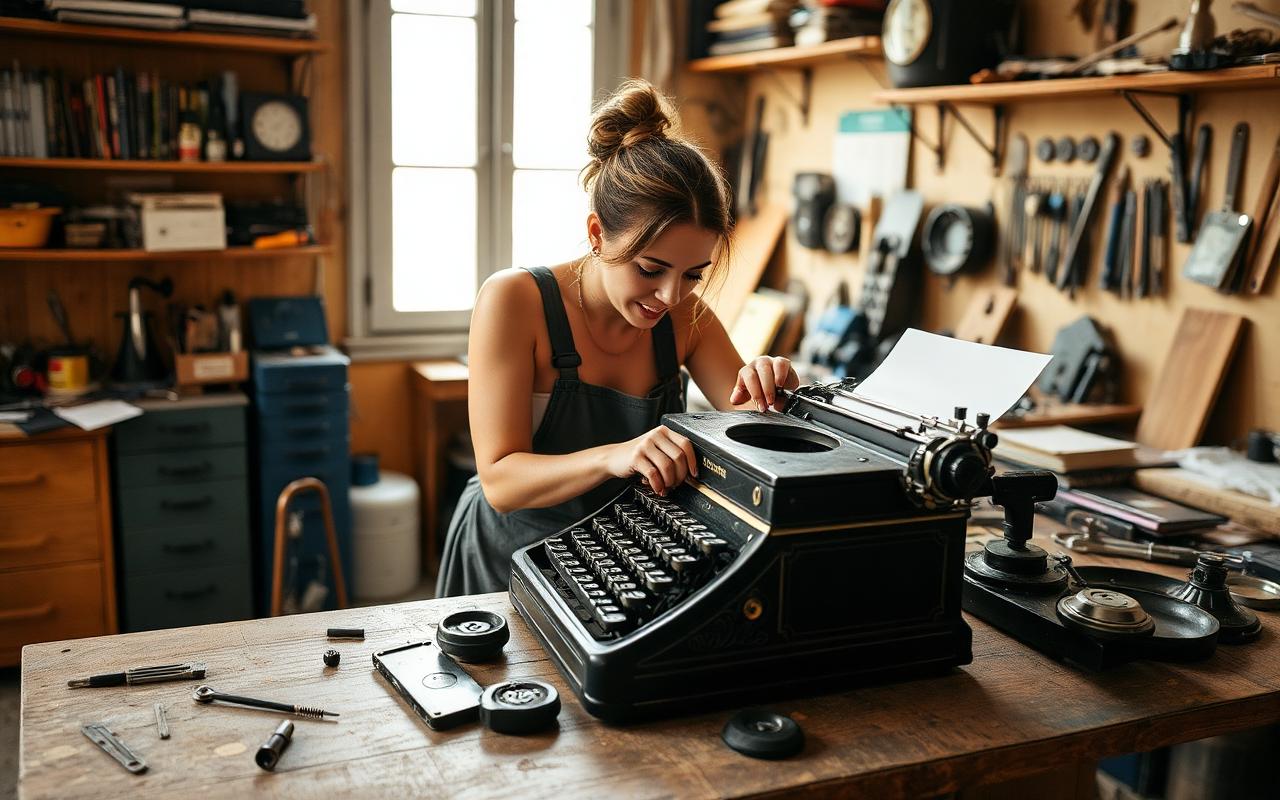
Not every machine in the collection is on display. About seventy machines were identified during cataloguing as needing conservation work before public exhibition — cleaning of long-term dust, stabilisation of fragile decals, small mechanical work to prevent further deterioration. Those machines will rotate into the exhibition over the coming years as conservation is completed.
The museum has chosen not to restore any machine cosmetically beyond stabilisation. Paint loss is preserved. Original ribbons are documented but not replaced. The philosophy is explicitly one of conservation rather than restoration, which sits well with the scholarly seriousness of the exhibition.
Getting there
The Milwaukee Typewriter Museum is open Tuesday through Sunday. Free admission on Wednesdays; suggested $10 donation otherwise. The Hammond wing is included in general admission and requires no separate ticket. Members of the museum receive a printed catalogue of the collection at no charge; non-members can purchase it in the gift shop.
The exhibition is the first significant public display of early American typewriter manufacturing in more than a decade, and it will remain the definitive source for the foreseeable future. Anyone with a serious interest in the hobby should plan a visit.
1420 North Water Street, Milwaukee, Wisconsin. Free admission on Wednesdays; suggested donation otherwise.
Approximately 780 machines, of which about 400 are on display at any given time.
Yes, for non-commercial use, without flash.
This article is original writing for The Ribbon & Platen and may not be reproduced without permission. Sources consulted:
- Curator interview: Dr. Amelia Wren, Milwaukee Typewriter Museum
- Museum press release, February 2026