Your First Portable: Four Machines to Consider and Four to Skip
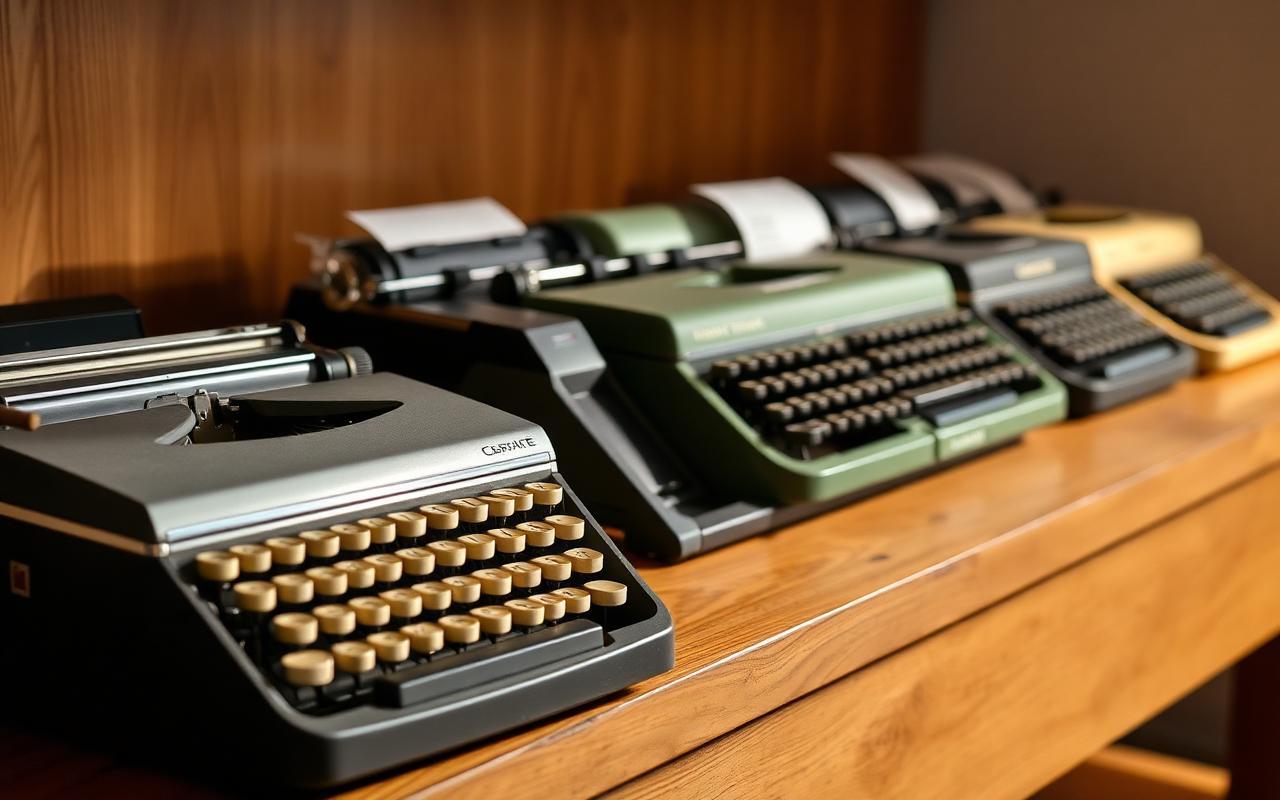
The best first portable is the one you will still be typing on in six months. Here are four machines that consistently reward beginners and four that consistently disappoint them.
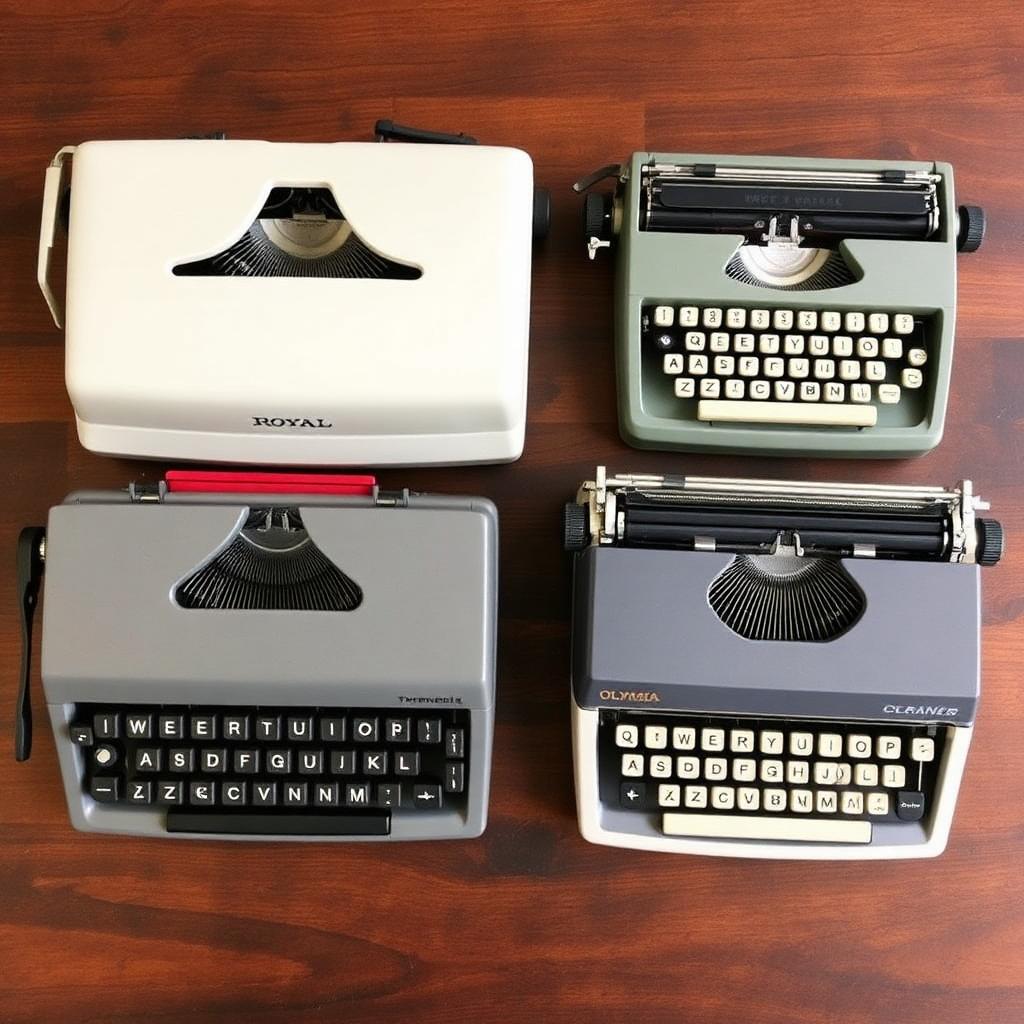
The question a first-time buyer asks most often is simple: which typewriter should I buy first? The answer is not simple, but it is short enough to fit in one article and specific enough to save a beginner from the two or three purchases that most often end in disappointment. Here it is.
What "beginner-friendly" actually means
A beginner-friendly typewriter is not the prettiest or the rarest or the most romantic. It is the machine that maximises the probability that you will still be typing on it six months from now, rather than storing it in a closet after the honeymoon fades. That means it should:
- Be common enough that parts and ribbons are trivial to source.
- Be simple enough that a first-time cleaning does not scare you off the hobby.
- Type well enough that the experience is genuinely enjoyable, not merely nostalgic.
- Cost little enough that a mistake in purchase is not financially painful.
Four models meet all four criteria consistently. A handful of tempting alternatives meet at most two of the four.
The four to consider
Olympia SM3, SM4, SM7, SM9
The Olympia SM series is the safest first purchase in the portable category. Parts interchange across generations, the mechanism is well documented in service literature and in restoration guides, the typing feel is precise and rewarding, and examples are common in Europe and available in North America. Cosmetic condition is usually good on well-kept examples. Prices range from moderate (SM9, most common) to higher (SM3, most sought after) but all four generations are within a beginner's budget.
If you are buying in Europe, an SM7 or SM9 is your default. If you are buying in North America, whichever SM you can find in good condition is fine.
Smith-Corona 5-Series (Silent-Super, Silent, Sterling)
The American counterpart to the Olympia. Parts are common, service documentation is available, the mechanism is straightforward, and the typing feel — thanks to the floating shift — is genuinely pleasant. Silent-Supers command the highest prices in the family; a Silent or a Sterling in good condition types indistinguishably and costs less.
The only warning is on late-production examples (1959–1962) where cost cutting is visible; earlier machines are consistently better.
Royal Quiet De Luxe
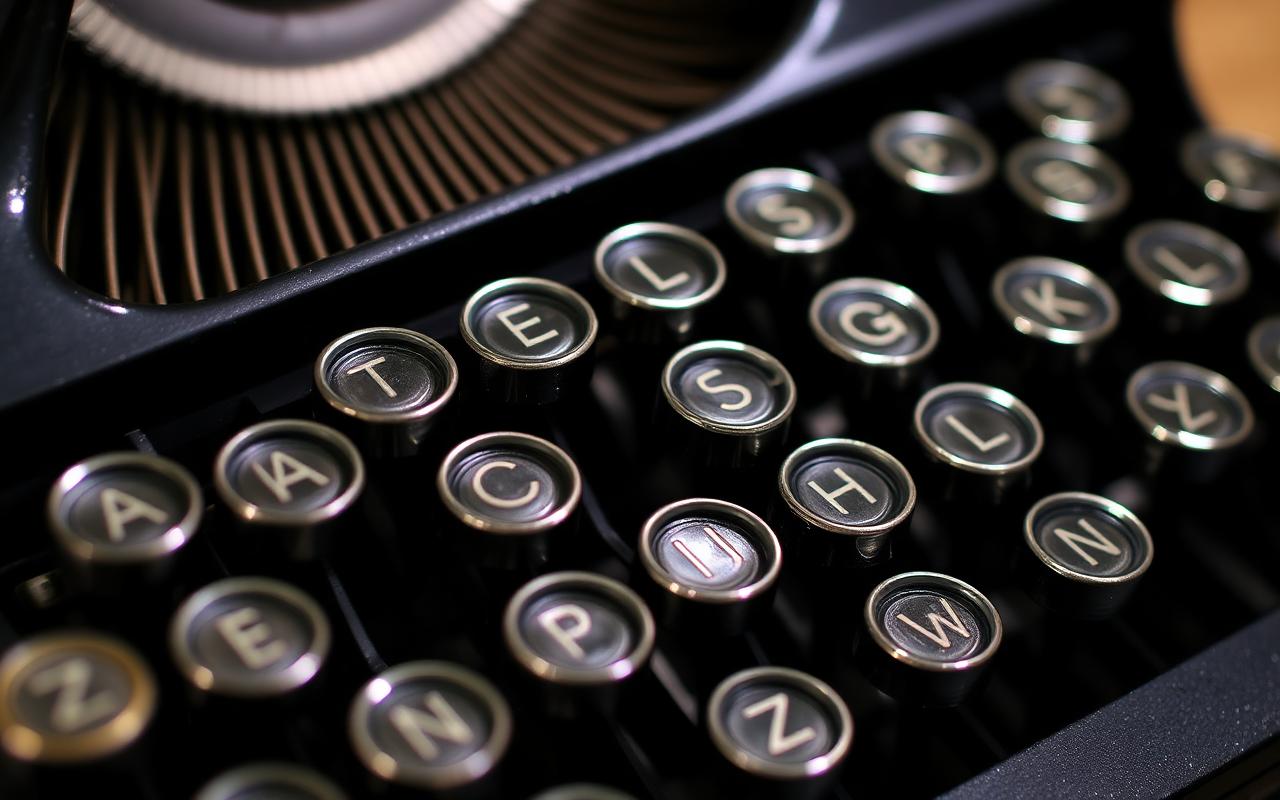
Extremely common in North America, moderately common in Europe. Beautiful glass-keyed examples from 1948–1952 are the sweet spot: available, affordable, forgiving, pleasant to type on. Later boxy versions type acceptably and can be found cheaply, though the feel is a step down.
Parts are widely available. Ribbons fit universal spools. Service knowledge is well distributed in online forums.
Hermes 3000 (curvy first generation)
The 3000 is not the cheapest recommendation on this list, but it is the machine most likely to convert a beginner into a serious collector. The typing feel is exceptional — light, precise, quiet — and the machine holds up well under moderate abuse. Prices are higher than the other three recommendations, sometimes noticeably, but the ratio of enjoyment to price paid is very favourable.
Buy a curvy first-generation (1958–1966) rather than the boxy later generation. The distinction matters and the price difference is not enormous.
The four to skip
Anything with plastic body panels
The 1960s and 1970s produced many portable typewriters with substantial plastic in the body — Brother Charger, later Olivetti models, various Japanese-built portables sold under multiple brand names. Some of these are mechanically fine. All of them are less durable than the metal-bodied predecessors, less pleasant to type on, and less rewarding to service. Skip them as a first machine.
Junker Underwoods and Royals from the 1930s
Older office standards look magnificent. They are also enormous, weigh over fifteen kilograms, require substantial workshop space to service, and put a beginner at the deep end of restoration immediately. Skip full-size standards until your second or third machine.
Bargain-basement 'as-is' online listings
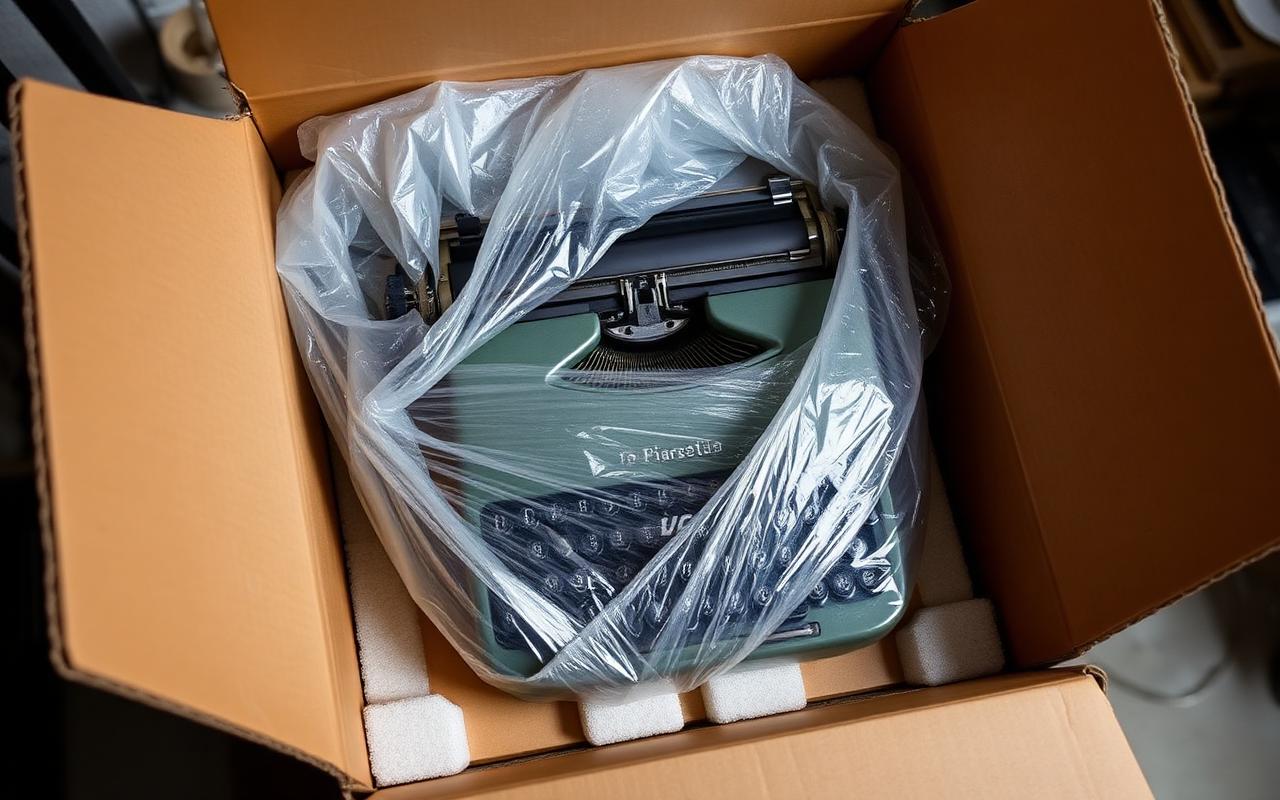
The temptation to buy a fifty-dollar typewriter online, ship it home, and see what you have is powerful and almost always ends badly. Shipping doubles the price, condition surprises are the norm, and the beginner does not yet know enough to distinguish repairable from ruined. Once you have your first working machine and some diagnostic experience, project purchases become sensible. Not before.
The romantic rarity
New collectors often want to start with the machine they have read about — a Hermes Baby they saw in a photograph, an Olivetti Studio 44 they remember from a film, a specific model that captured their imagination. If a good example presents itself at a fair price, buy it. If the only available examples are expensive, mechanically worn, or geographically inconvenient, delay. A first machine that requires long searching and heavy compromise is not a good introduction to the hobby.
Practical advice on the transaction
Buy locally. Inspect physically. Type on it before paying. If the seller will not let you type on the machine, that is a signal.
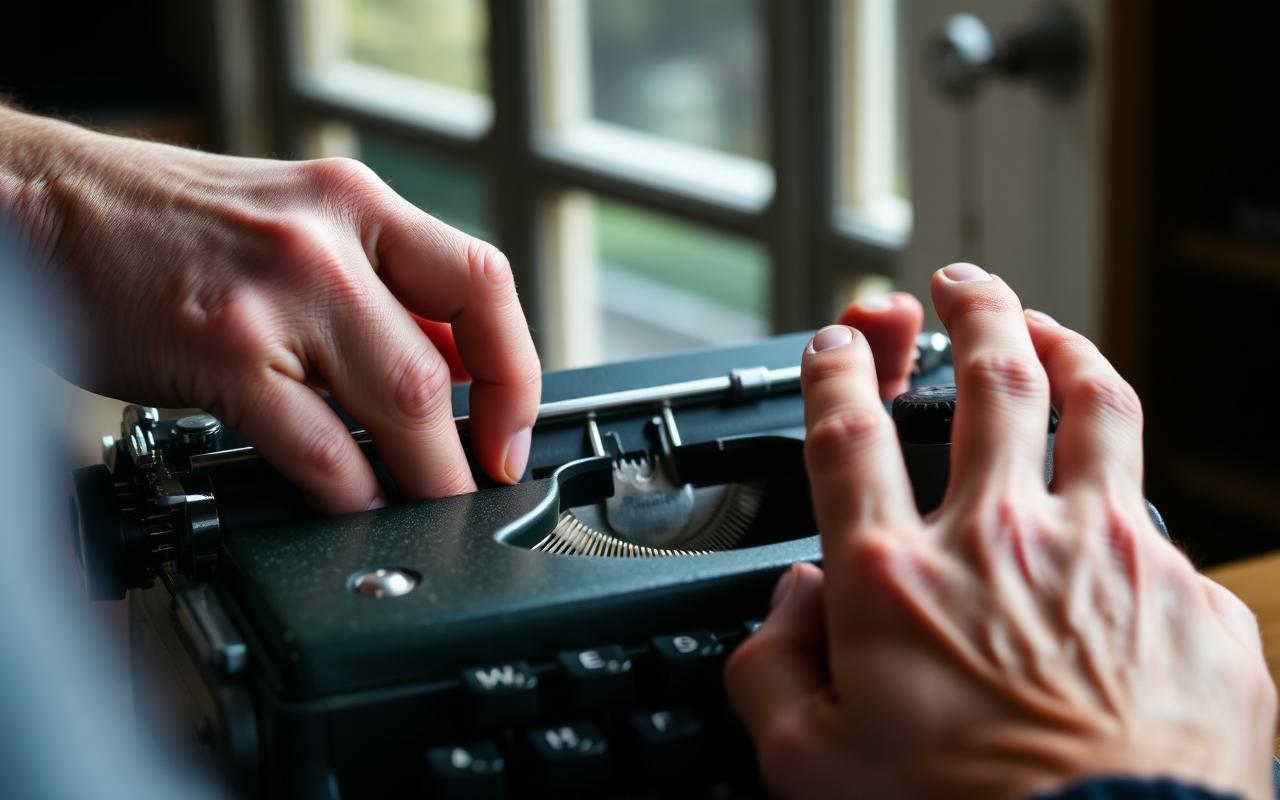
Budget for a first service. Even a good machine bought from an experienced seller usually benefits from a light cleaning, a ribbon change, and a check of the feet. Budget one to two hours of work — either your own or a professional's — in addition to the purchase price.
Keep the case. Original cases are worth substantial money on resale and protect the machine in storage. Buy machines with cases whenever possible; a caseless machine is not disqualifying but is worth less.
Ribbon first, everything else second. Before you diagnose any typing complaint, install a fresh ribbon. Half of first-day complaints from new buyers turn out to be old ribbon problems, not mechanical faults.
The one thing to expect
Your first machine will not be your last. Almost every collector's first typewriter is either sold, upgraded, or moved to a secondary role within eighteen months, as the collector's taste sharpens and their understanding of what they actually value in a machine develops. This is normal and healthy. Buy something common, buy it in good condition, buy it at a fair price, use it hard, and let it teach you what to look for in the second one.
Olympia SM series (SM3 through SM9). Parts interchange, mechanism is forgiving, prices are moderate, examples are common.
Locally, if at all possible. First purchases benefit from physical inspection; shipping doubles the price of surprises.
Between one and three hundred euros or dollars for a first working portable. Below that you buy a project; above that you overpay for beginner risk.
This article is original writing for The Ribbon & Platen and may not be reproduced without permission. Sources consulted:
- Author's correspondence with fifty first-time buyers, 2022–2026
- Return-rate data from a mid-sized North American typewriter dealer