The Electric Transition: How Power Typing Changed the Office, 1935–1965
The electric typewriter did not replace the manual overnight. It took thirty years, two wars, and a complete rethinking of what a typist's body was for. Here is how power typing took the office apart and put it back together.
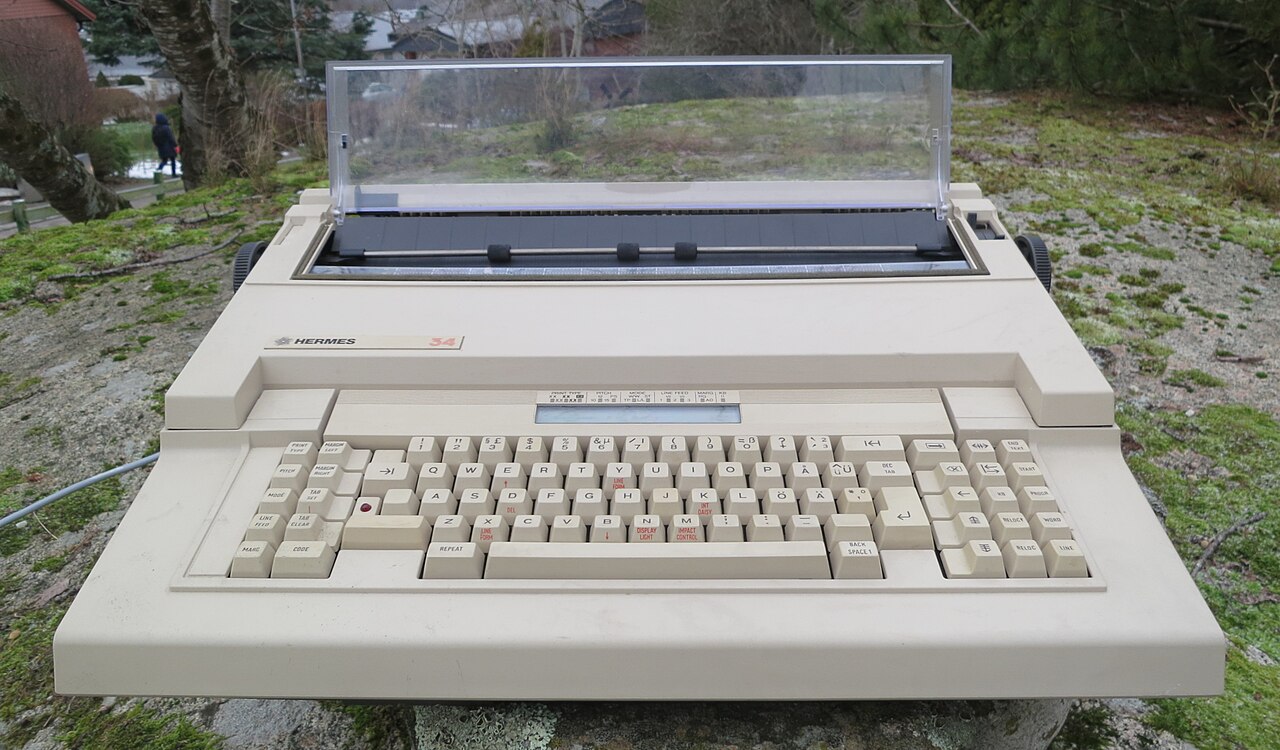
The electric typewriter is treated as a late and minor chapter in the typewriter's history — the thing that came after the real machines and before the computer. It was not minor. The electric typewriter changed what a typist was, what an office was, and what a page of typed text looked like, and it did so in a single generation. The manual typewriter had defined the office for fifty years; the electric redefined it in thirty, and the redefinition is the context in which every later machine — including the computer — was received.
What the motor changed
A manual typewriter is powered by the typist. Every keystroke drives a typebar to the platen through the force of a finger, and every carriage return is pulled by hand. The speed of the machine is the speed of the typist, and the limit is the typist's strength and endurance.
An electric typewriter separates the two. The typist controls the machine — selects the letter, times the stroke — but the motor provides the force. The typebar hits the platen with the same energy on the first stroke of the day and the ten-thousandth. The carriage returns at the flip of a lever, powered, not pulled. The tabulation stops at preset columns without the typist braking by hand.
The consequences are physical and economic. A typist on a manual machine fatigues: the keystrokes weaken through the day, the carriage return slows, the error rate rises. A typist on an electric machine does not — the motor maintains the impression and the return all day. The sustained output of an electric typist is higher, not because the machine is faster per stroke, but because the typist does not slow down. Over a full typing day, the difference is twenty to forty percent more pages, and the pages are more consistent.
The slow takeover
The electric typewriter was commercially available from the 1920s — the Electromatic, later acquired by IBM, was the first serious entrant — but it did not take the office immediately. The reasons were cost, reliability, and infrastructure.
An electric typewriter cost several times what a manual cost, and it required electricity at every desk, which offices of the 1920s and 1930s did not uniformly have. The early machines were also less reliable than manuals — a motor failure stopped work entirely, where a manual could be repaired at the desk. Through the 1930s, the electric typewriter was a specialty machine for high-volume typing pools, not a general office standard.
The takeover came after 1945. The war had normalised electric office equipment and built the electrical infrastructure to support it; the postwar office was larger, more centralised, and more document-heavy than the prewar office; and the electric typewriter had become reliable enough to trust. Through the 1950s, the proportion of electric typewriters in new office purchases rose steadily, and by 1965 the manual was a minority purchase for office use. The manual survived in portables — for travel, students, and home — but the office had gone electric.
The Selectric and the endpoint
The IBM Selectric, introduced in 1961, is the machine that completed the transition and began the next one. It replaced the typebar assembly — the mechanism that had defined every typewriter since the 1870s — with a single rotating type element, a sphere the size of a golf ball that turned to present the correct letter to the platen.
The Selectric eliminated the typebar jam, the most familiar failure of the typewriter for eighty years. It enabled proportional spacing, which made typed text look typeset. It was faster, quieter, and more reliable than any typebar machine, and it became the office standard within a decade of its introduction.
The Selectric is also the endpoint of the typewriter as a distinct technology. The type element was the last mechanical innovation of consequence before the electronic typewriter and the word processor took over. The machines that followed the Selectric were increasingly electronic — memory, correction, display — and the step from there to the computer was small. The electric transition, seen in full, is the thirty-year process by which the typewriter became something that could be replaced by a computer, because it had already become something that was almost a computer.
What the transition left
The electric typewriter's effect on the manual hobby is indirect but real. The machines that collectors value are almost entirely manual, because the manual is the machine that embodies the typewriter's mechanical identity — the typebar, the segment, the visible mechanism. The electric is the machine that erased that identity in pursuit of speed and consistency, and it is collected by a different (and smaller) community, for different reasons.
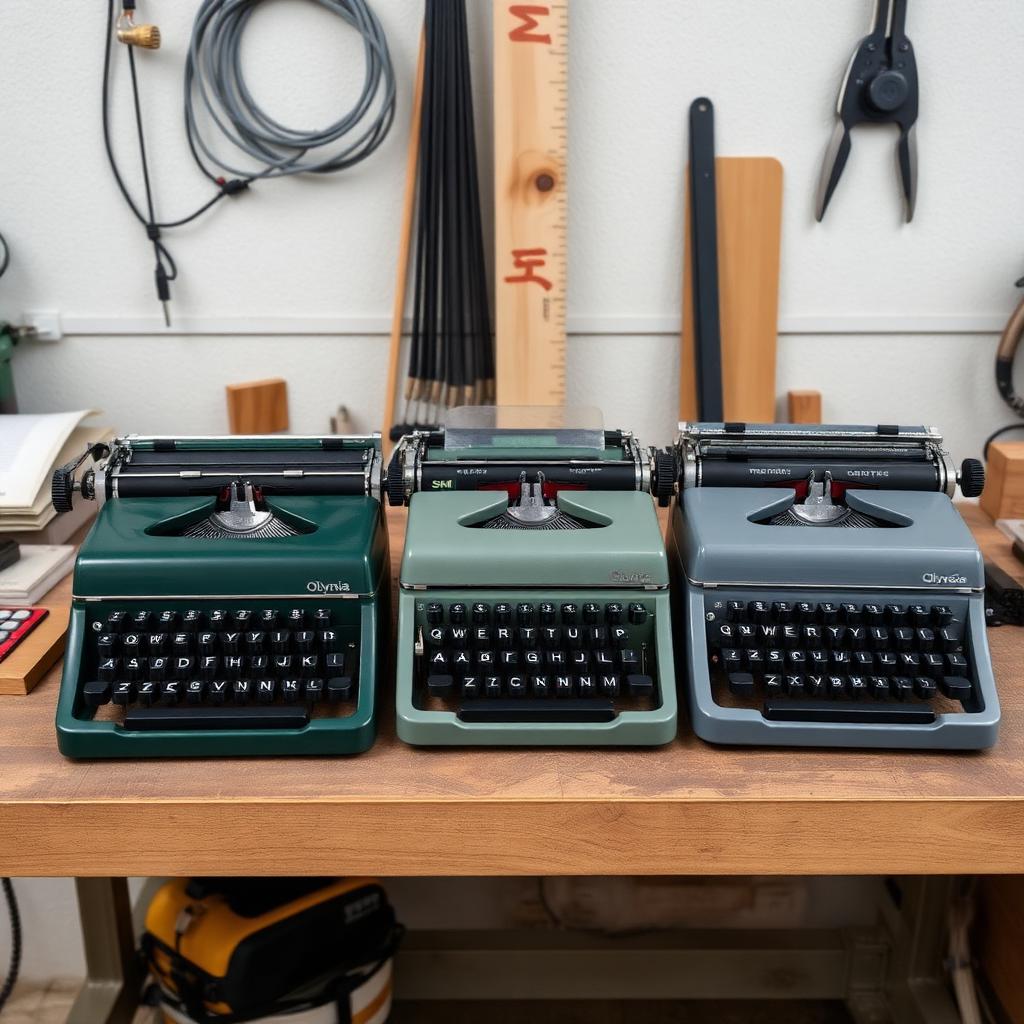
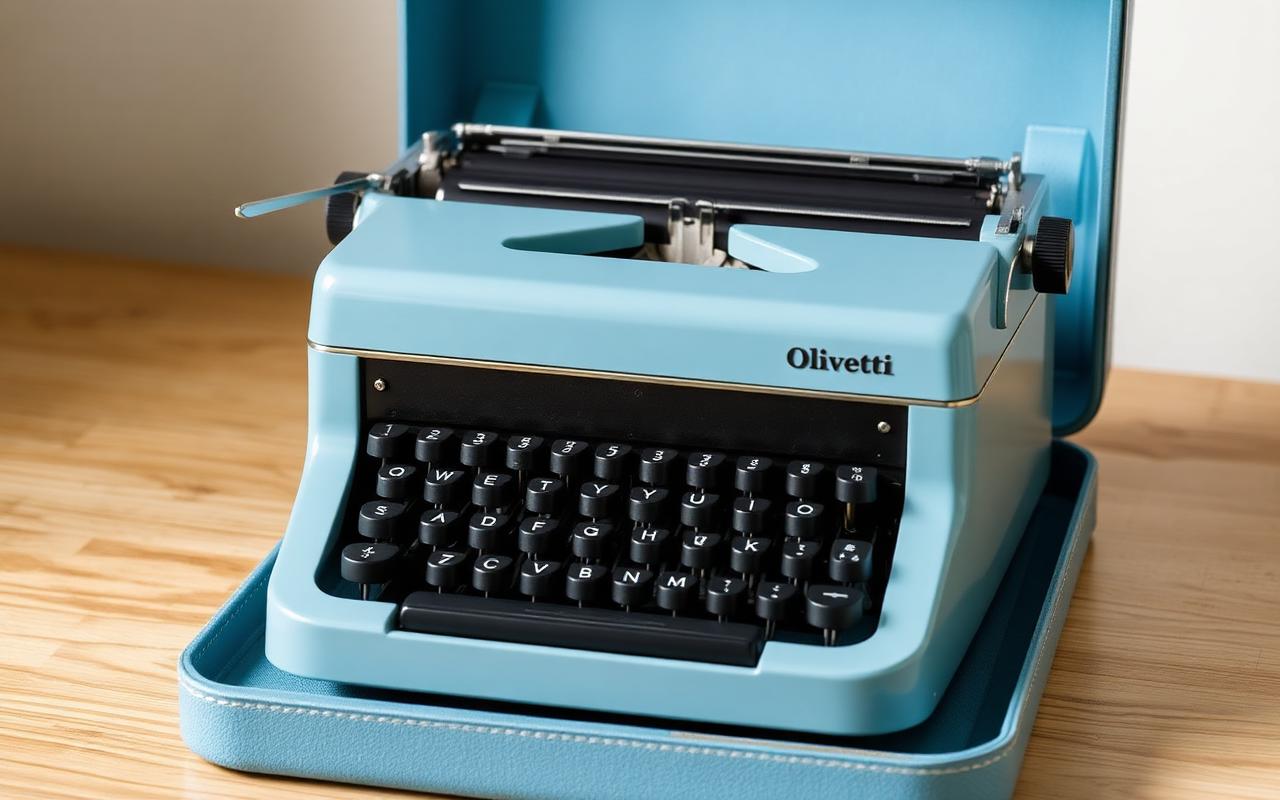
But the electric transition is the context for every manual typewriter made after 1955. The portables that are the hobby's core — the Olympia SM3, the Olivetti Lettera 32, the Hermes Baby — were designed and sold in a world where the office had gone electric and the manual was a personal machine, not a professional one. Their design reflects that: light, affordable, built for the writer and the student, not the typing pool. The electric transition did not end the manual typewriter; it freed it to become what it is now, which is the object we collect.
The first commercially successful electric was the Electromatic in the 1920s, but widespread office adoption came after 1945. By 1965, most new office typewriters sold were electric.
Sustained speed was higher because the typist did not fatigue, but peak speed was similar. The gain was in endurance and consistency over a full typing day, not in single-stroke speed.
Increasingly yes, particularly the IBM Selectric and early electromechanical models. The collecting community is younger than for manuals and the machines are less serviced, but interest is rising.
This article is original writing for The Ribbon & Platen and may not be reproduced without permission. Sources consulted:
- Bliven, The Wonderful Writing Machine, 1954
- IBM Selectric product history, 1961
- Author's survey of office machine adoption, 1945–1965