Spotting Hidden Gems: A Field Method for Flea Markets and Estate Sales
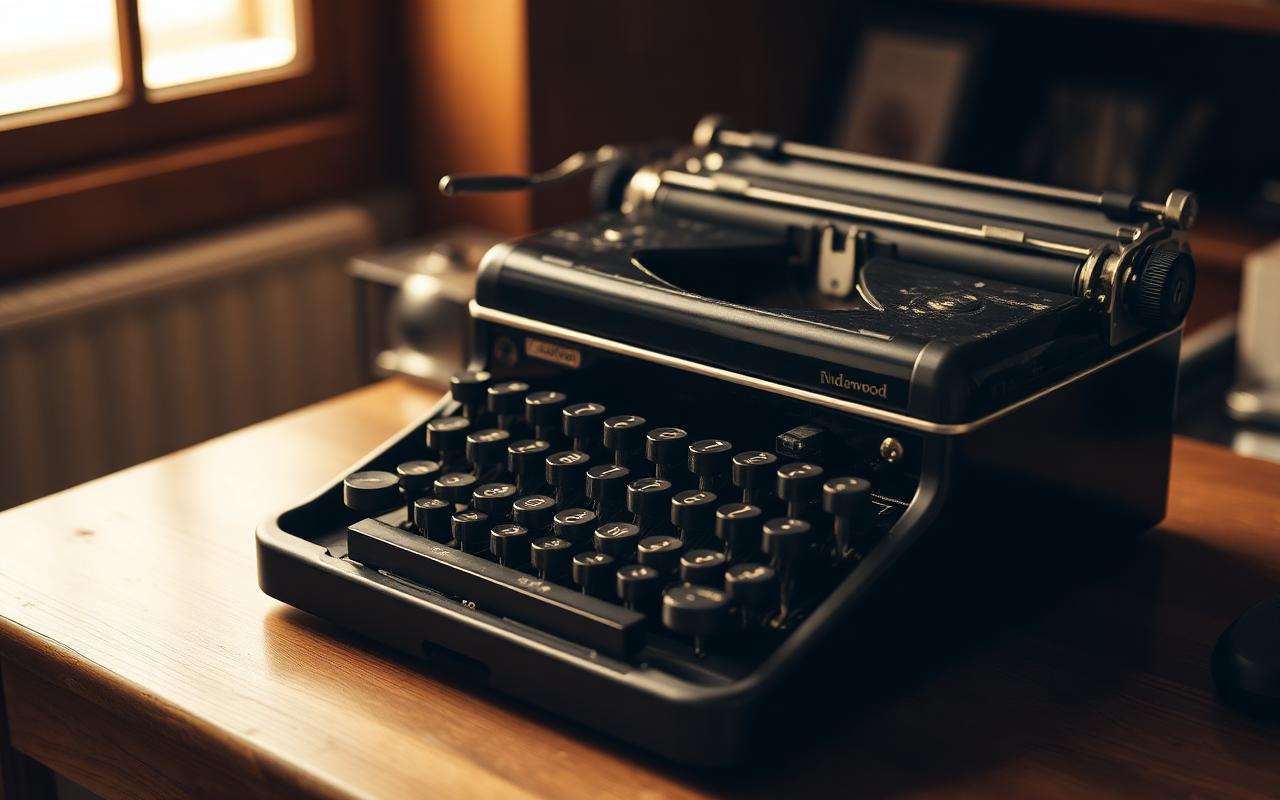
The best machines rarely sit on the table under a sign that reads 'antique typewriter, £600'. They sit under a tablecloth, behind a broken lamp, in a leatherette case someone thought was a bowling bag.
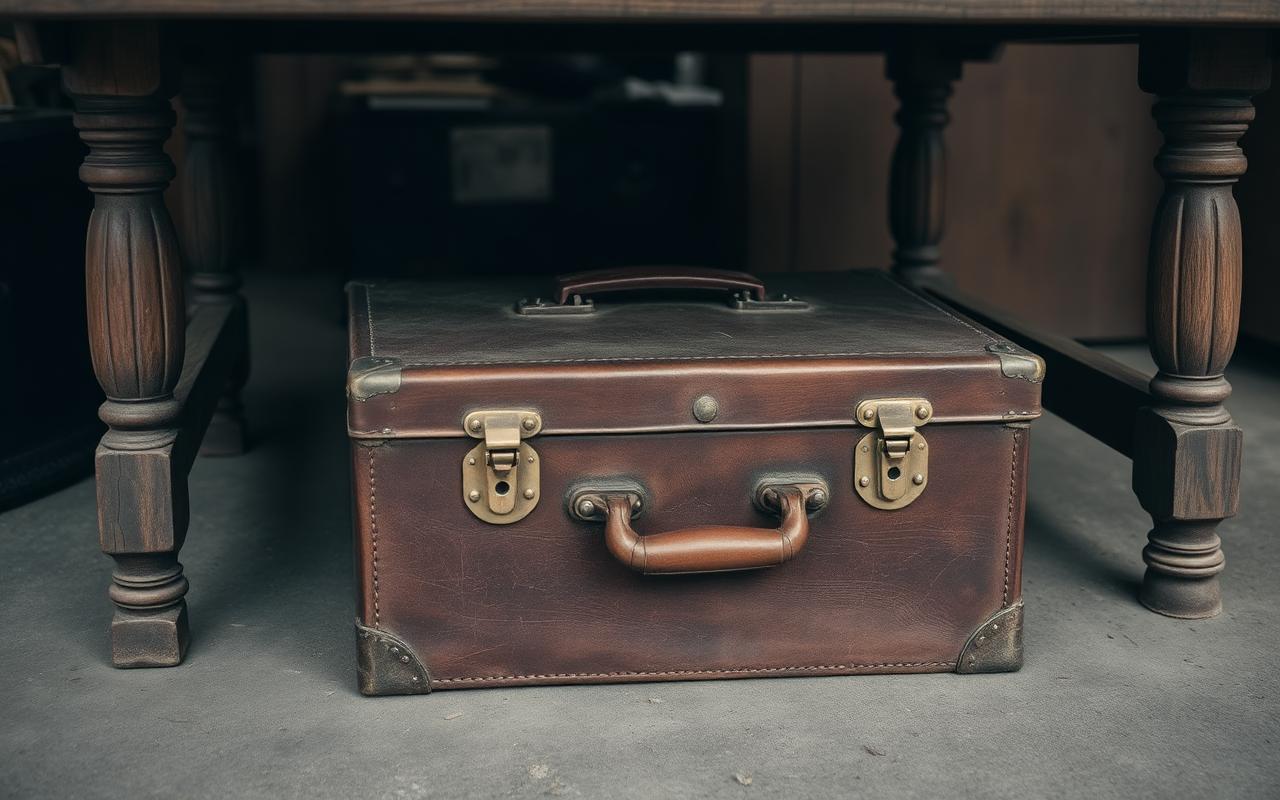
Flea markets punish anyone who arrives without a routine. There is no light, no space to open a case, no seller who will let you pull the platen while a queue forms behind you. The buyers who consistently take home the good machines have compressed inspection into a three-minute sequence and refuse to deviate from it, even when a promising badge tempts them to skip a step.
Before you arrive
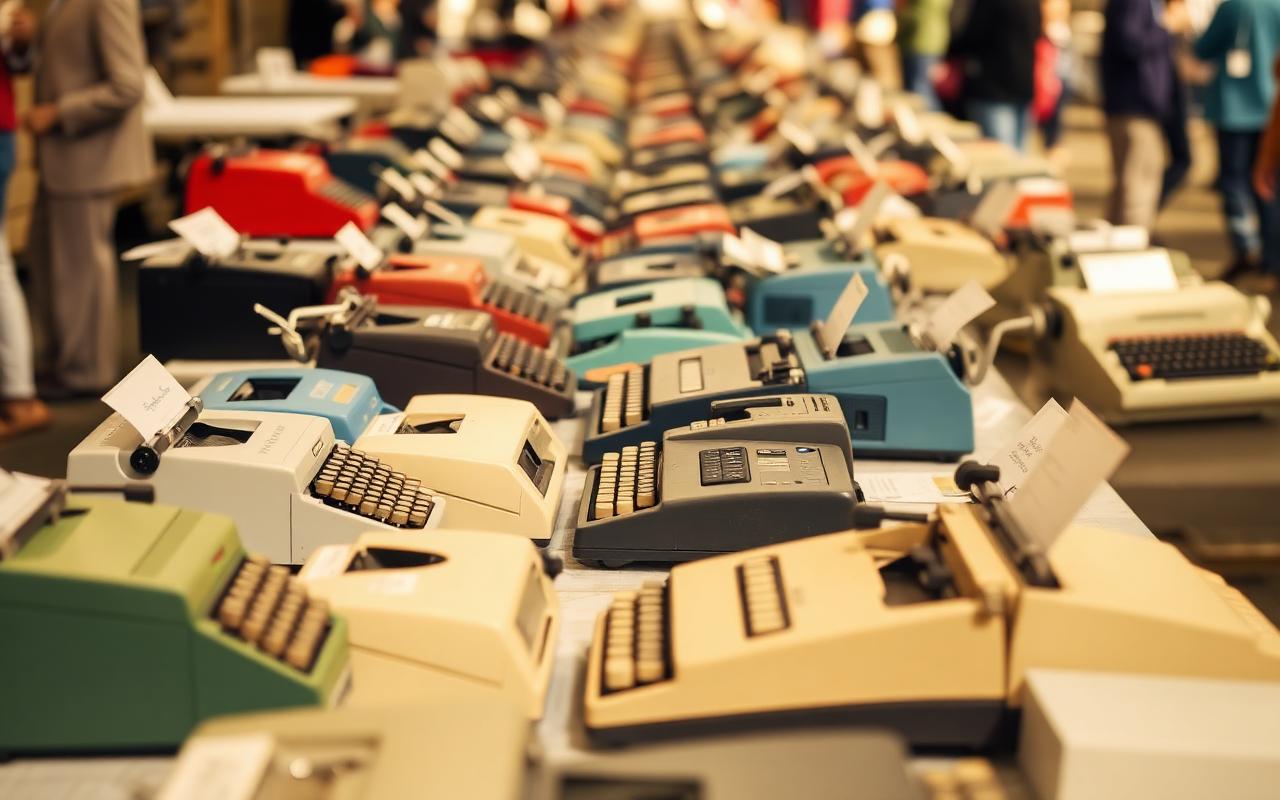
Set a walking pattern. My rule is to loop the entire market once at fast pace before I touch anything, mapping stalls that show typewriters, sewing machines, cameras, and mid-century office equipment. Sellers who understand any of those categories tend to know what they have; sellers who mix everything together often do not, and their tables are where the surprises hide.
Bring cash in small notes. Card readers at outdoor markets are unreliable and telegraph your seriousness in a way that lifts prices. Bring a canvas tote large enough to hold a portable case. Wear something with deep pockets and no sleeves that catch on segments.
The three-minute inspection
Second 0 to 30: silhouette. Approach from three metres away and read the machine's outline. The classic silhouettes — the low humpback of an Olivetti Lettera, the squared shoulders of an Olympia SM, the sloped roof of an Underwood standard — should be recognisable before you can read a badge. If a silhouette surprises you, slow down. Unusual is where the money is.
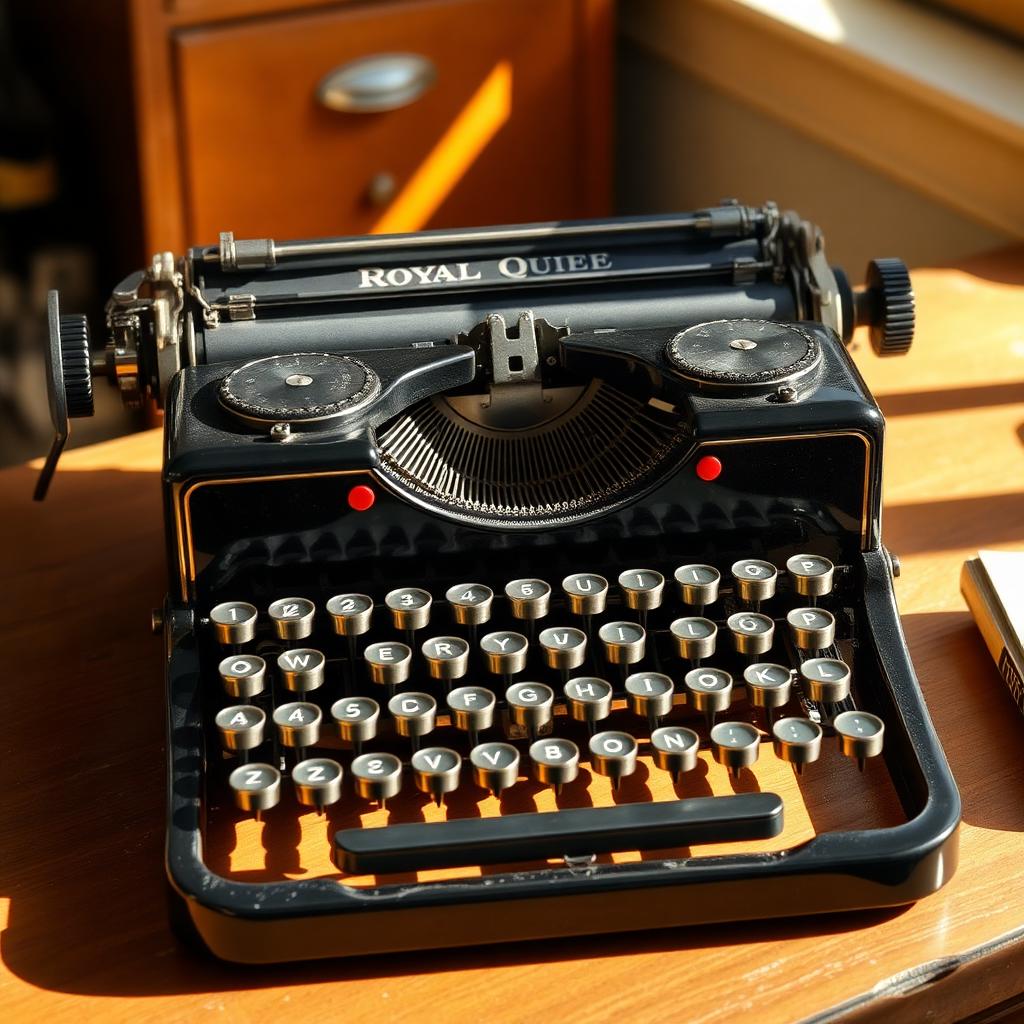
Second 30 to 90: paint, decals, keys. Walk around the machine once without touching it. Look for repaints (paint pooling in screw heads, brush marks on flat surfaces, wrong-colour keys) and honest wear (paint loss along the front edge, decal thinning on the frequently touched letters). Note whether the keys are original glass or later plastic; a full set of unbroken glass keys is worth pausing for.
Second 90 to 180: mechanics. Only now do you touch. Press one typebar gently and let it fall. Roll the platen half a turn. Check that the ribbon vibrator lifts when a key is pressed. Look under the carriage for the drawstring — a broken cord is a fifteen-minute repair, not a deal-breaker, but it explains why the machine will not return. Sniff. Musty is fine; petrol or mould is a walk-away.
Do not press every key. Do not try to advance the carriage across its full range. Both actions look like you are testing the machine and give the seller a reason to raise the price. Both can be done at home.
The questions to ask
Only three questions matter, and all of them should sound like small talk.
- "Do you know where it came from?" Provenance stories are usually invented, but a specific answer ("my aunt's law office in Turin") sometimes checks out and always adds context.
- "Is there a case?" A missing case reduces value by ten to twenty percent on portables and is almost never mentioned in the price.
- "Would you take X for it?" One clean offer, not an escalating negotiation. If the answer is no, thank the seller and mean it. Markets are small worlds and rudeness travels.
Red flags that end the conversation
Certain findings should stop the transaction regardless of price. A cracked frame or split casting is almost always terminal, because welding cast iron in the correct thermal profile is a specialist job that costs more than any portable is worth. A carriage that will not move at all — not stiff, not slow, but locked — usually means a jumped mainspring or a bent rail, either of which can turn a two-hour repair into a two-weekend one. A machine that has been stored damp and shows white deposits on the segment is not gone, but you should discount aggressively; the cleaning bill is real.
After the buy
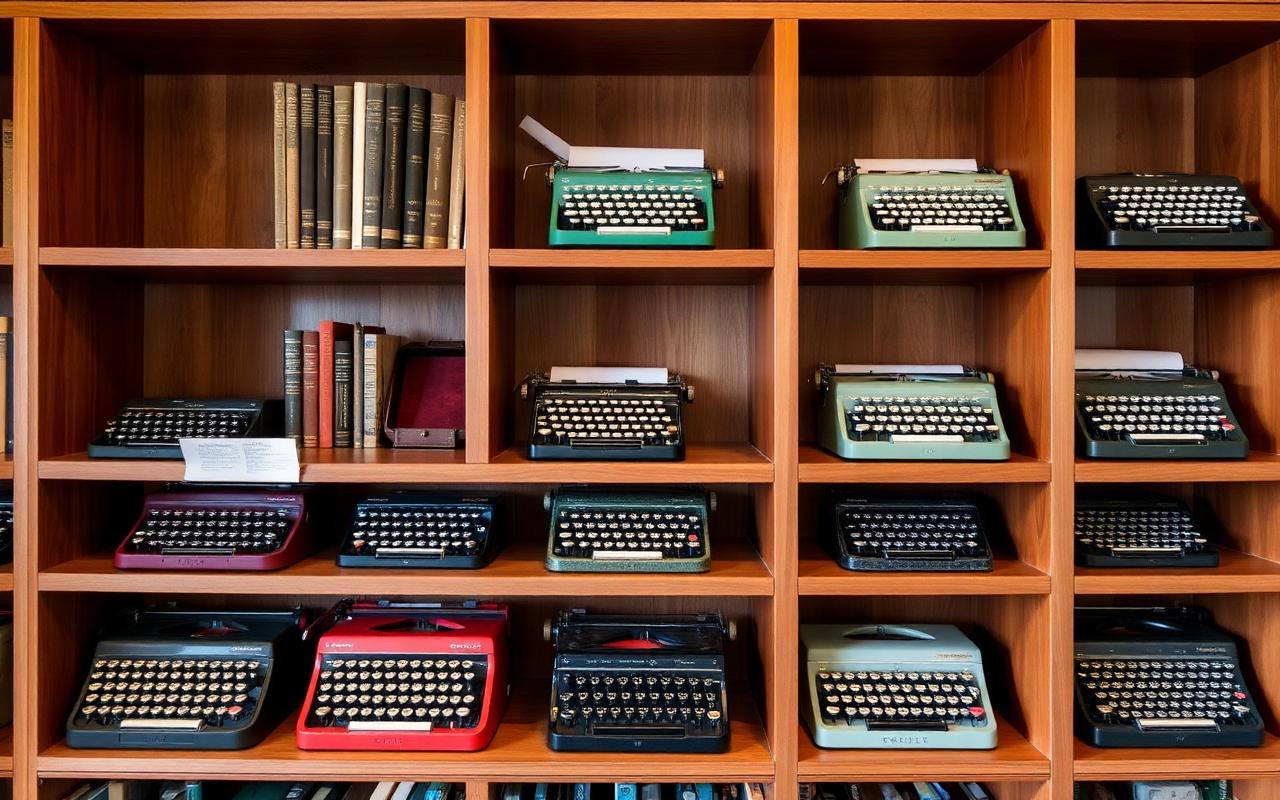
Wrap the machine in a towel before it enters your tote. Never carry a typewriter by the carriage; the mainspring case can twist under sudden weight. When you get home, do not plug in a solvent bath and start scrubbing. Take twenty minutes to photograph what you bought, write the story of the buy in your inventory book, and put the machine on the shelf overnight so any condensation can settle. Real restoration starts the next morning, with a plan, and lasts longer than the impulse that started it.
One printed sheet with silhouettes of common desirable models is enough. Phone reception in old market halls is worse than you think.
For a typewriter clearly priced as a curio, ask 'would you take X?' at seventy percent. For anything within twenty percent of a fair price, pay the ask and walk away smiling.
A slim LED torch, a jeweller's loupe, a microfibre cloth, and a small notebook. Anything else is showing off.
This article is original writing for The Ribbon & Platen and may not be reproduced without permission. Sources consulted:
- Field notes from Portobello, Waterlooplein, and Brimfield markets
- Correspondence with three long-time European pickers