The Royal Quiet De Luxe: America's Suitcase Workhorse
Between 1939 and 1955 Royal built more Quiet De Luxes than any other portable in the American market. Here is how to read the serial, spot the good years, and avoid the tired ones.
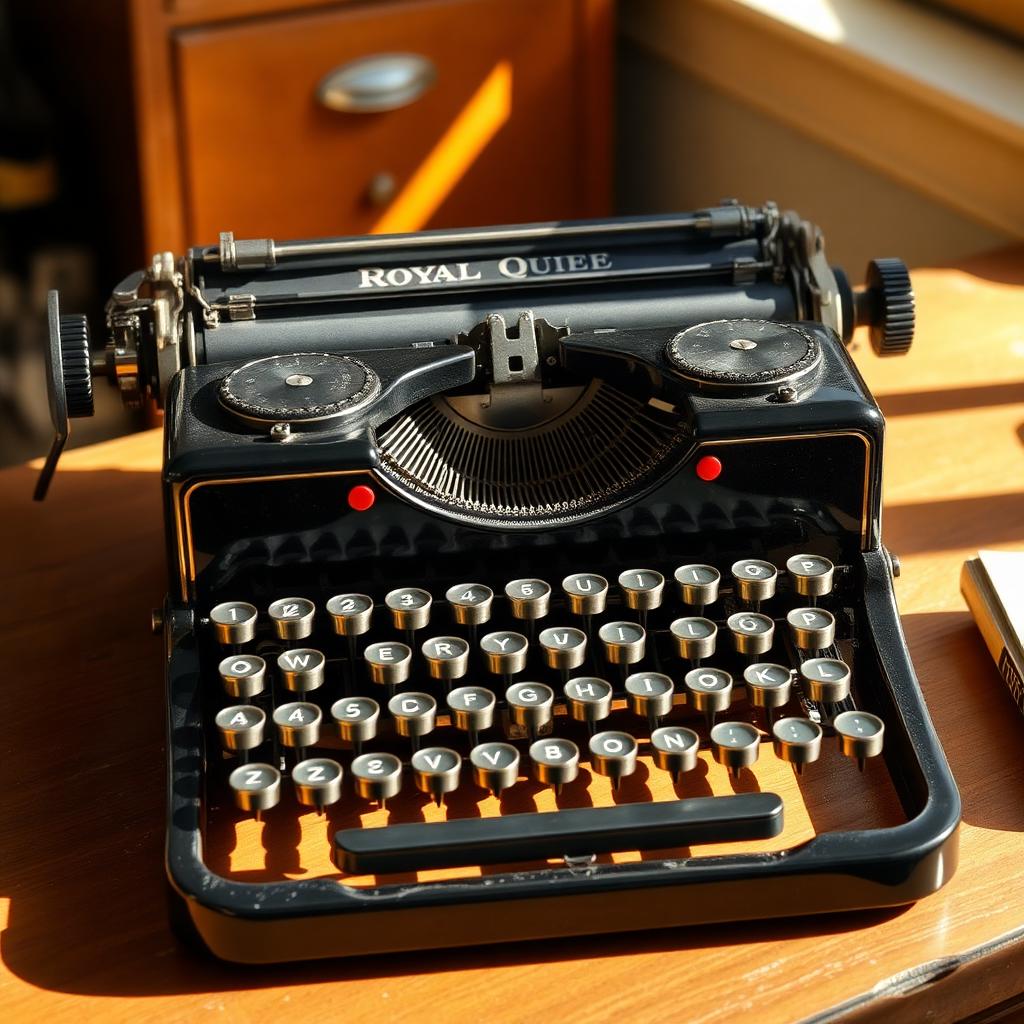
Few American portables were made in the numbers, or with the consistency, of Royal's Quiet De Luxe. From its debut in 1939 to the last of the boxy grey machines in the mid-1950s, it was the default gift for graduating students, the default writer for touring reporters, and the default trade-in at every stationery counter that sold typewriters at all. That ubiquity is the collector's opportunity: a Quiet De Luxe in honest condition is affordable, repairable, and pleasant to use, and the good examples still outnumber the ruined ones.
Three visual generations
The Quiet De Luxe went through three broad body styles, and knowing which you are looking at tells you almost everything about age and value.
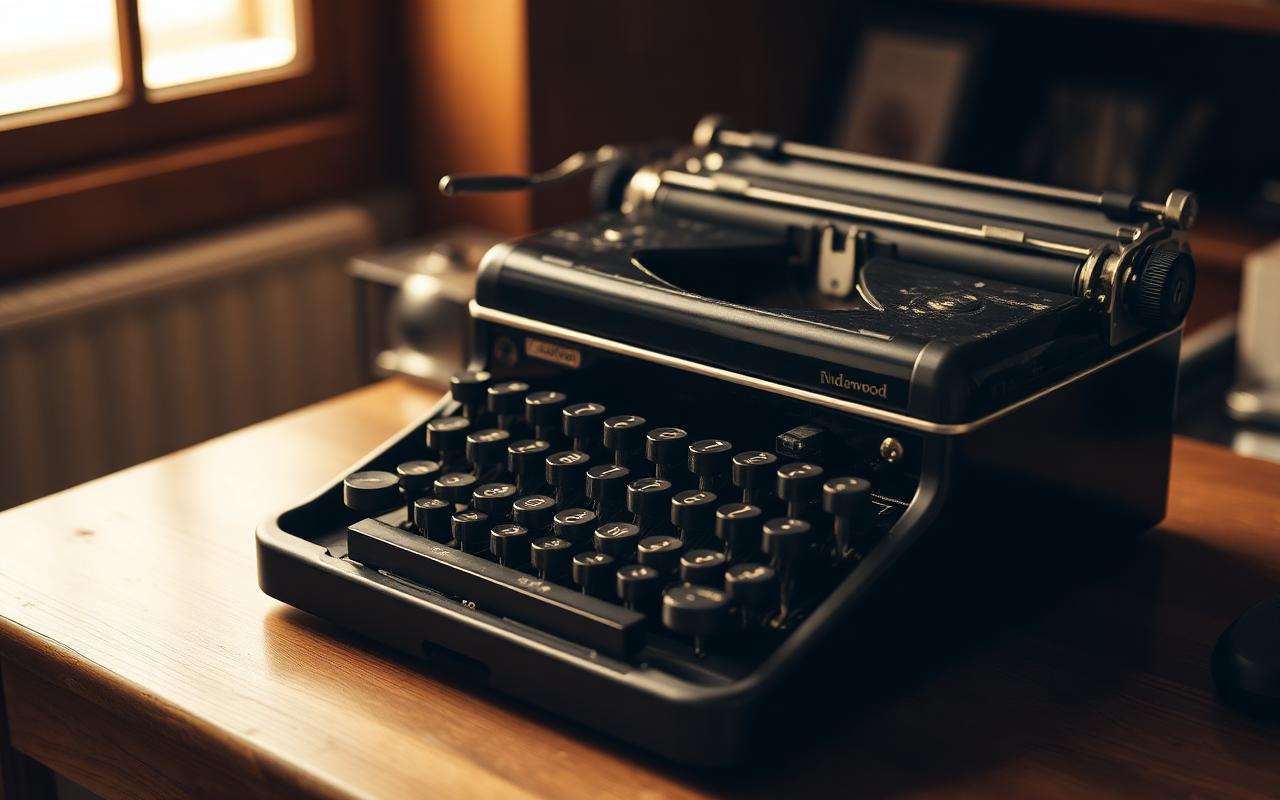
The streamlined generation (1939–1947) has a low, rounded shell with an Art Deco character line running along the paper table. Glass-topped keys with silver rims are standard. The tab set and clear controls sit above the keyboard on a shared chrome bar. Paint on these machines is a deep gloss black that shows scratches easily but polishes beautifully.
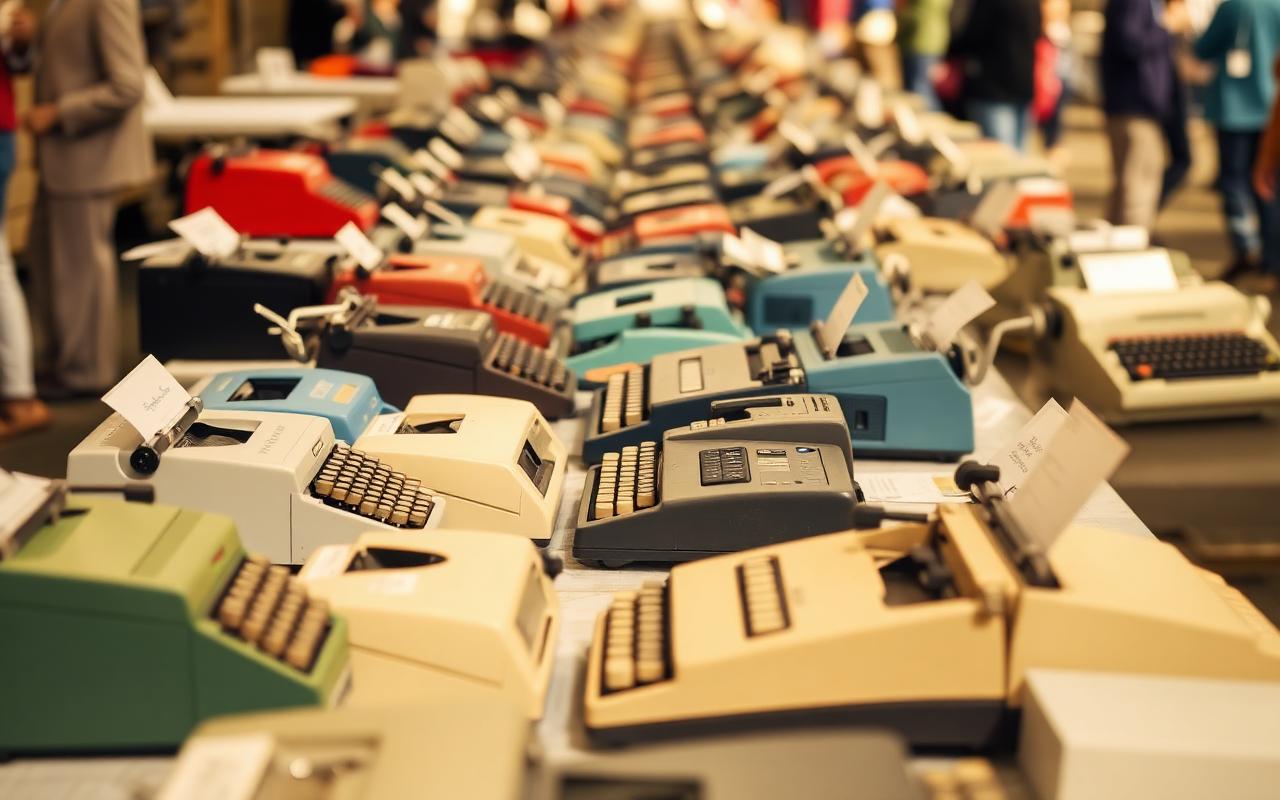
The rounded generation (1948–1952) keeps glass keys but softens the body into a more pillowy shape. Two-tone examples appear — grey over black, tan over cream — and the ribbon cover gains a chrome medallion. This is the generation most commonly encountered in estate sales, and the one to buy if you want a user.
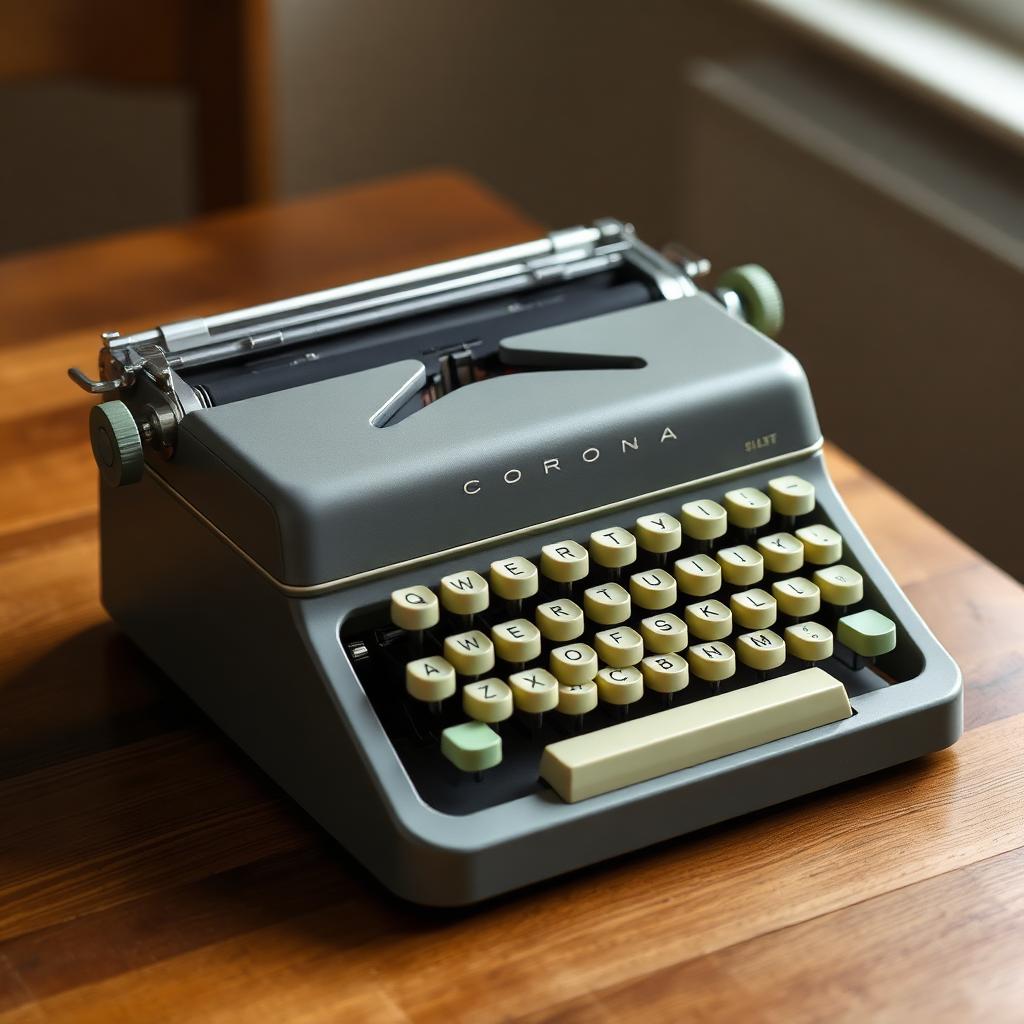
The boxy generation (1953–1955) squares the shell, replaces glass keytops with moulded plastic, and introduces colours: hospital green, dove grey, and the rare pink "Heather." Feel is noticeably different — the shift is heavier, the escapement slightly less crisp — and the machines are polarizing. Some collectors love them; others find them a step down.
Serial numbers and dating
Royal used a straightforward serial system on Quiet De Luxe portables. The number sits on a metal tag under the ribbon cover, or stamped into the frame near the right platen knob depending on year. Cross-reference against the Typewriter Database serial tables — Royal's records survive well and dating within a single production year is usually possible.
Two things to know. First, replacement carriages were common warranty repairs; a serial on the carriage that does not match the frame serial is not a scandal, but it is worth noting. Second, machines sold outside the United States carry a suffix ("E" for European market, occasionally "L" for Latin American) that does not affect value but does affect keyboard layout — check that the machine you are buying actually has the layout you can type on.
The good years and the tired ones
If you had to pick a single best year, most experienced collectors would choose 1949 or 1950. Build quality is at its peak, glass keys are still standard, the two-tone paint schemes are attractive without being fussy, and enough examples survive to keep prices reasonable.
The tired years are 1954–1955, not because the machines are bad, but because they were built to a slightly lower cost target and used harder in offices before they reached collectors. Expect worn platens, tired ribbon-lift mechanisms, and paint that has gone chalky from sun exposure. A boxy Quiet De Luxe in genuinely excellent condition is uncommon and worth paying for; one in average condition is worth substantially less than a comparable rounded machine.
What to inspect on a Quiet De Luxe
The failure modes are consistent across all three generations and easy to check in ten minutes.
- Segment gunk. Type each letter in sequence. Sluggish typebars almost always mean dried oil in the segment, not worn parts. This is fixable but time-consuming.
- Draw band and mainspring. Move the carriage all the way to the right, then release. It should return smoothly under spring tension. A carriage that stalls or lurches has a broken draw band — a common repair, but factor two hours of work into the purchase price.
- Bail and paper feed. Roll a sheet in and out three times. Paper that skews or slips indicates a hardened platen or worn feed rollers, both of which are worth negotiating over.
- Ribbon vibrator. Watch the ribbon lift as you type. It should rise crisply and fall back without hesitation. A lazy vibrator makes for uneven inking and is annoying rather than expensive to fix.
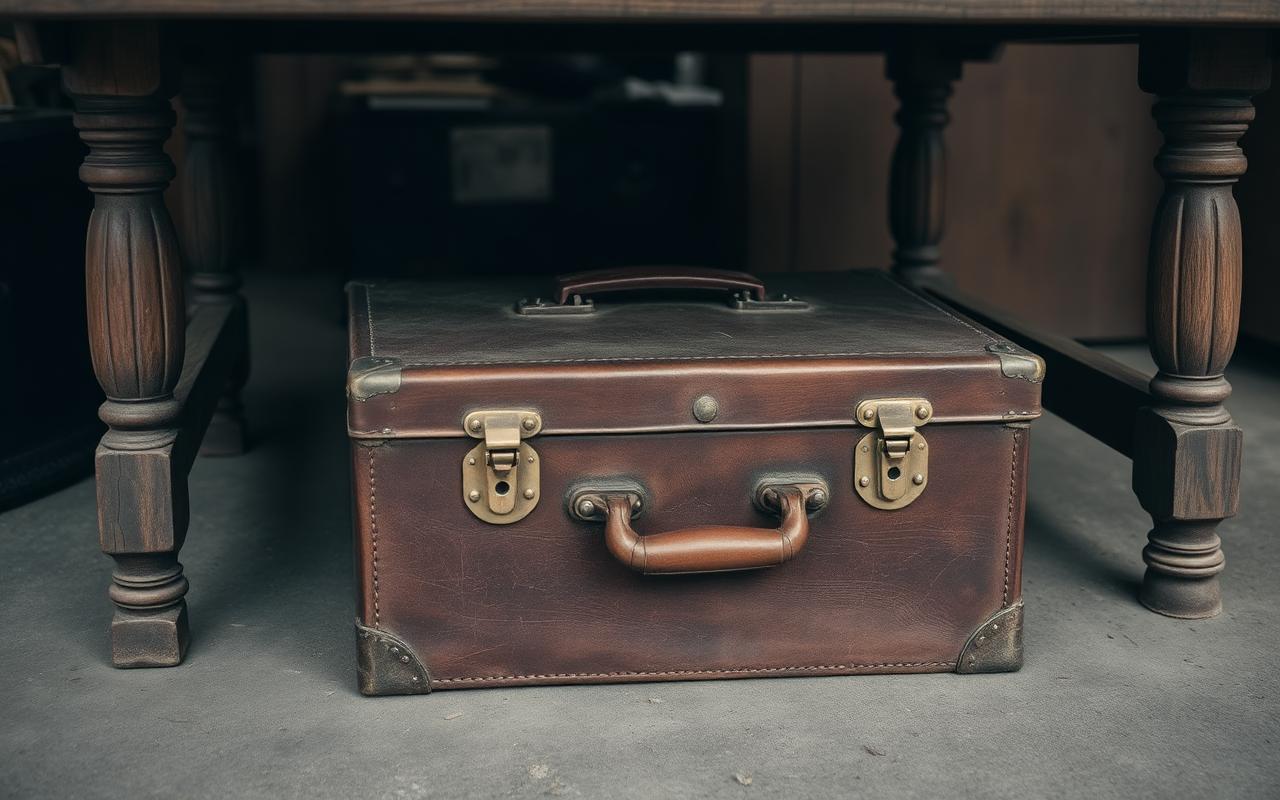
- Case. The original case adds real money — twenty to thirty percent on a nice machine. Look for the Royal medallion, a working latch, and an intact handle. Musty smell is fixable; broken handles rarely are.
What the Quiet De Luxe teaches
More than any other American portable, the Quiet De Luxe rewards patience. Because so many were made, you can afford to walk away from bad examples and wait for a good one. Because parts interchange freely across years within a generation, you can build one excellent machine from two mediocre ones if you enjoy that kind of work. And because the typing feel is genuinely pleasant — light shift, quick escapement, cushioned key travel — a well-chosen Quiet De Luxe becomes the machine you actually reach for, rather than the one you display and never touch. That is the highest compliment a collector can give a typewriter, and this one has earned it several million times over.
1948–1950 machines strike the best balance of build quality and availability. Earlier machines are prettier; later machines feel plasticky by comparison.
Yes on pre-1954 examples. Plastic keytops appear on later production and are correct for those serials — not a downgrade.
Elite (12 cpi) is most common; Vogue and script faces command a premium of 40–80 percent when verified against a typed sample.
This article is original writing for The Ribbon & Platen and may not be reproduced without permission. Sources consulted:
- Royal Typewriter Company service bulletins, 1945–1954
- Typewriter Database serial records for Royal portables