Insuring a Typewriter Collection: What Coverage Actually Requires
Standard homeowners policies cap 'collectibles' at a few hundred dollars per item and pay actual cash value, not replacement cost. Here is how to schedule a typewriter collection properly — and why most appraisals are not worth the paper they are typed on.

A typewriter collection of any real size is an asset that most standard insurance policies were not written to protect. The default position of a homeowners or renters policy is to lump typewriters under "collectibles" or "other personal property," cap the entire category at a few hundred to a few thousand dollars, and pay out at actual cash value — depreciated, with depreciation argued at claim time. For a collection worth five or ten times that, this is not coverage. It is a false sense of security that costs money every year.
The fix is scheduling. A scheduled personal property endorsement names individual items, assigns each a value, and overrides the category sub-limit and the depreciation clause. It is the structure collectors of watches, firearms, and musical instruments have used for decades, and it works for typewriters. The work is in the documentation.
Why standard policies fail
Three clauses in a standard HO-3 or HO-4 policy combine to leave a collection exposed.
- The collectibles sub-limit. Personal property coverage is typically fifty to seventy percent of dwelling coverage, but "collectibles, antiques, and memorabilia" are further capped — often at $1,500 to $2,500 for the entire category, not per item.
- Actual cash value. Unless a replacement-cost endorsement is purchased, the policy pays actual cash value: replacement cost minus depreciation. For an object that appreciates, this is backwards, and the depreciation argument at claim time is where insurers recover money.
- Mysterious disappearance. Many policies exclude "mysterious disappearance" — an item that vanishes without evidence of forced entry. A typewriter taken from an open type-in venue or a studio with no sign of break-in may not be covered at all.
A scheduled endorsement addresses all three. The item is named, the value is agreed, and mysterious disappearance is typically included because the insurer accepted the item on its own terms.
Building the schedule
Scheduling is paperwork, and the quality of the paperwork determines the quality of any future claim. For each machine you schedule, assemble the following.
Identification
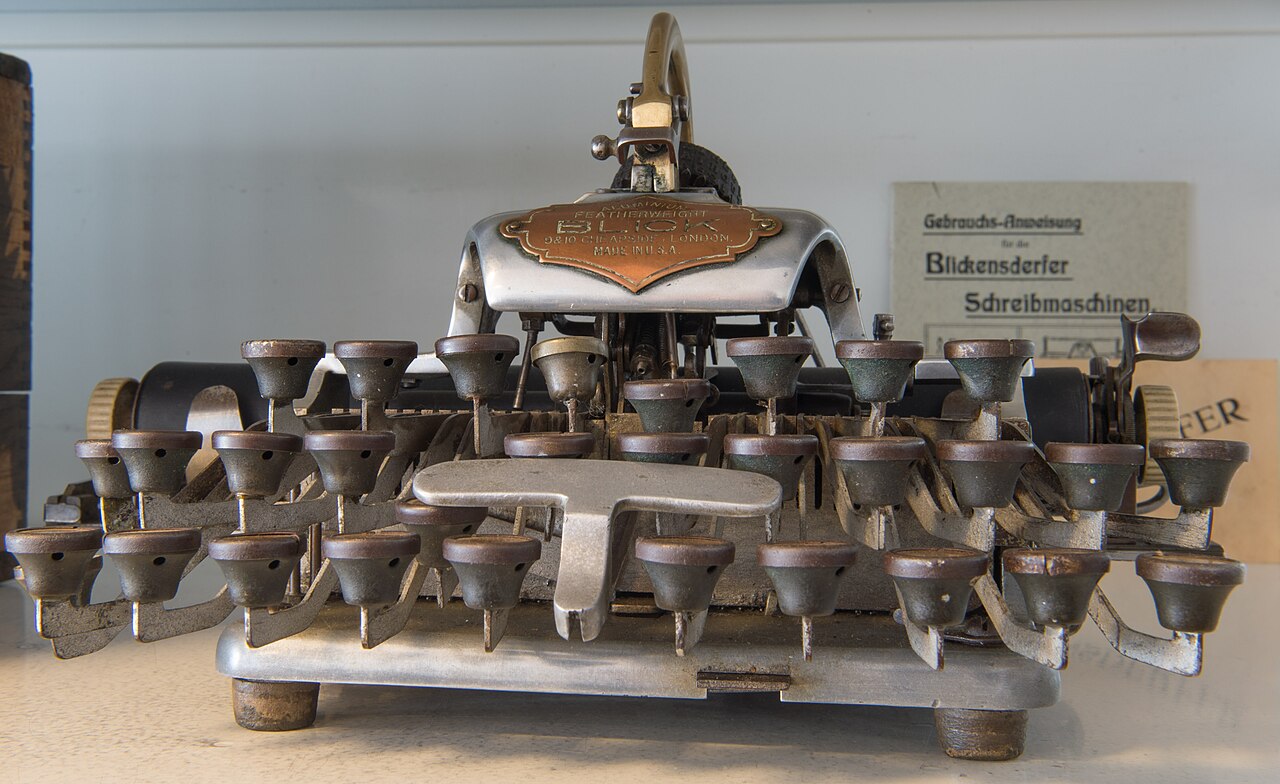
Photograph the machine from six angles: both profiles, front, back, top, and the type basket with the ribbon removed. Photograph the serial number location with a ruler in frame for scale. Record the serial number, model, year of manufacture (from a serial chart), and any distinguishing features — non-standard typeface, replacement keytops, provenance markings.
Valuation
For machines below the insurer's per-item documentation threshold — often $1,000 — a purchase receipt and the identification packet above are usually sufficient. For more valuable machines, the insurer will want an appraisal. Appraisals for insurance should state agreed value, not "fair market value," and should be from a source the insurer will accept at claim time — which means asking the insurer first, not after.
Provenance
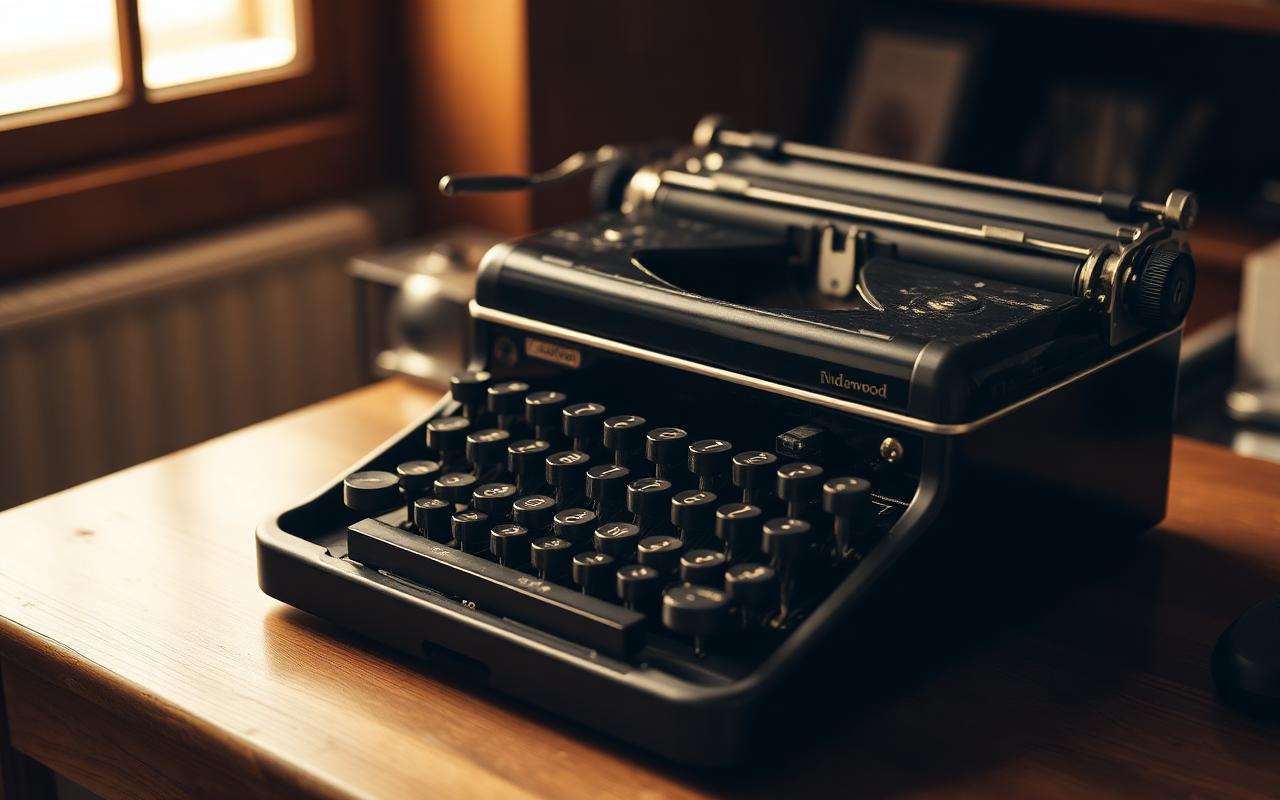
Provenance raises value and complicates claims. A machine with a documented history — original purchase receipt, service records, prior owner of note — should have that documentation filed with the schedule. Without it, a claim for an "Underwood 5, 1923, excellent" pays the rate for an excellent 1923 Underwood 5, not for the one you actually owned.
Agreed value versus replacement cost
Two valuation structures are offered for scheduled property, and the choice matters more for typewriters than for most insured objects.
Replacement cost pays what it would cost to buy an equivalent machine today. For common portables this is workable — equivalent machines are findable. For rare or variant machines, "equivalent" may not exist on the open market, and the insurer can argue the replacement cost down to the last comparable sale.
Agreed value pays the figure on the schedule, full stop. No depreciation argument, no comparable-sale search. For machines with real collector value, agreed value is the stronger structure. It costs slightly more in premium and requires the insurer to accept the figure up front, which is exactly the protection you want at claim time.
Storage, transit, and off-premises
A scheduled endorsement tied to the dwelling covers the machine at the listed address. It does not automatically cover machines in storage, in transit, or at a type-in.
- Off-premises storage is excluded beyond a low sub-limit in most policies. A collection in a storage unit, a workshop, or a relative's basement needs a storage endorsement or a separate policy.
- Transit — shipping a machine to a buyer, carrying one to a type-in — is covered by some personal articles policies that "follow the item" and not by others. Confirm before shipping a scheduled machine.
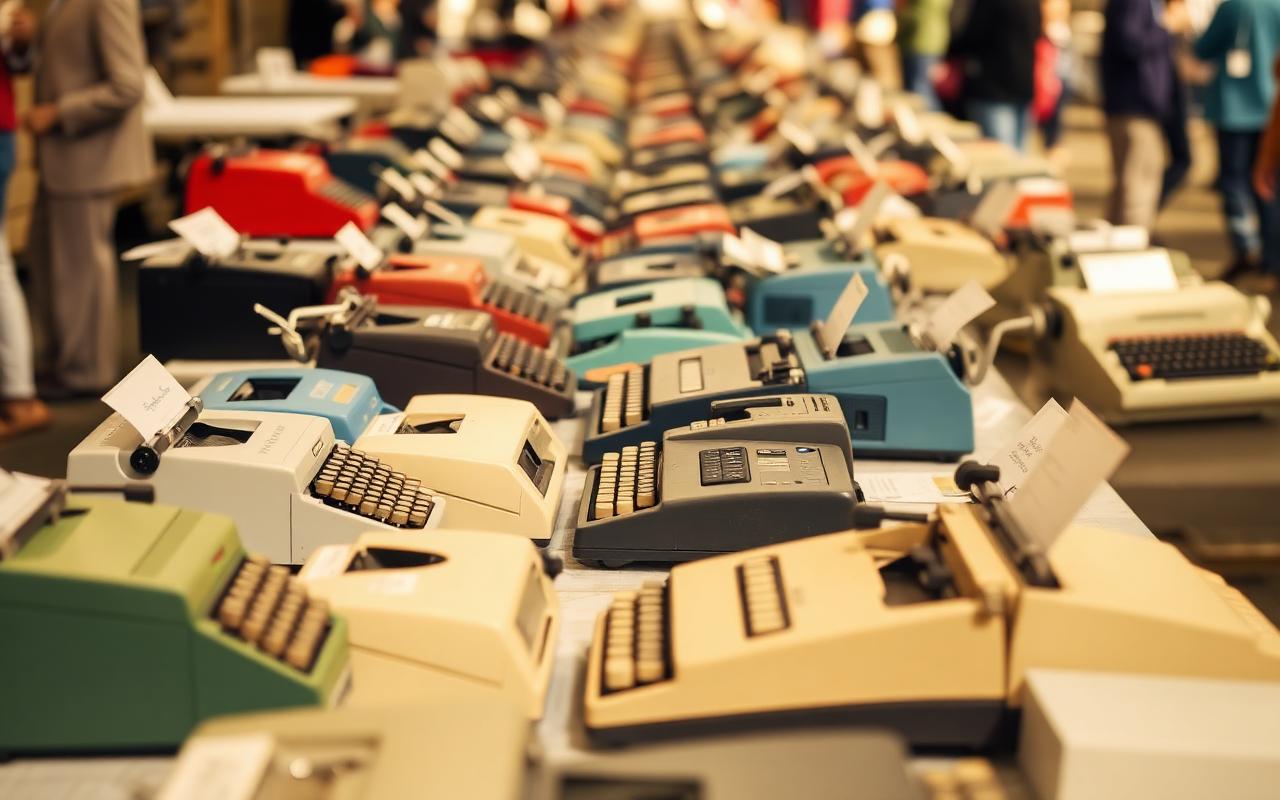
- Exhibition at a public event is a grey area. Some insurers extend coverage; others treat it as a temporary off-premises situation with a time limit. A one-call confirmation before a major type-in is cheap insurance against an expensive surprise.
The inventory you actually need
Beyond the insurance schedule, keep a separate inventory that does not live in the same place as the collection. A spreadsheet with one row per machine — slug, serial, model, year, purchase date, purchase price, scheduled value, photograph file names — takes an afternoon to build and is the single document that makes every other interaction with the insurer faster. Store it somewhere the collection is not, so a loss that takes the machines does not also take the record of what they were.
Insurance is not the most interesting part of collecting, and it is the part most collectors get wrong until the year they need it. The structure above is not exotic — it is the standard practice of collectors in every category that appreciates, applied to machines. Spend the documentation hours once, keep the schedule current as the collection grows, and the premium will buy actual protection rather than the appearance of it.
Only for items above your insurer's scheduling threshold — typically $1,000 to $2,500. Below that, a photograph, serial number, and purchase receipt are usually sufficient.
Most policies exclude items in off-premises storage beyond a low sub-limit. A storage endorsement or separate policy is required for collections in a unit or outbuilding.
Generally no. Off-premises and transit damage require a marine or 'personal articles' policy that follows the item, not a scheduled endorsement tied to the dwelling.
This article is original writing for The Ribbon & Platen and may not be reproduced without permission. Sources consulted:
- Author's correspondence with three schedulers' property underwriters, 2025
- Insurance Information Institute, scheduling personal collections